How Advisory Neighborhood Commissions Shape Local Decisions in Washington, D.C.
Advisory Neighborhood Commissions advise the District on zoning, licensing, public services & development. Learn how they operate and how residents can engage.
Sophie McAlister ·
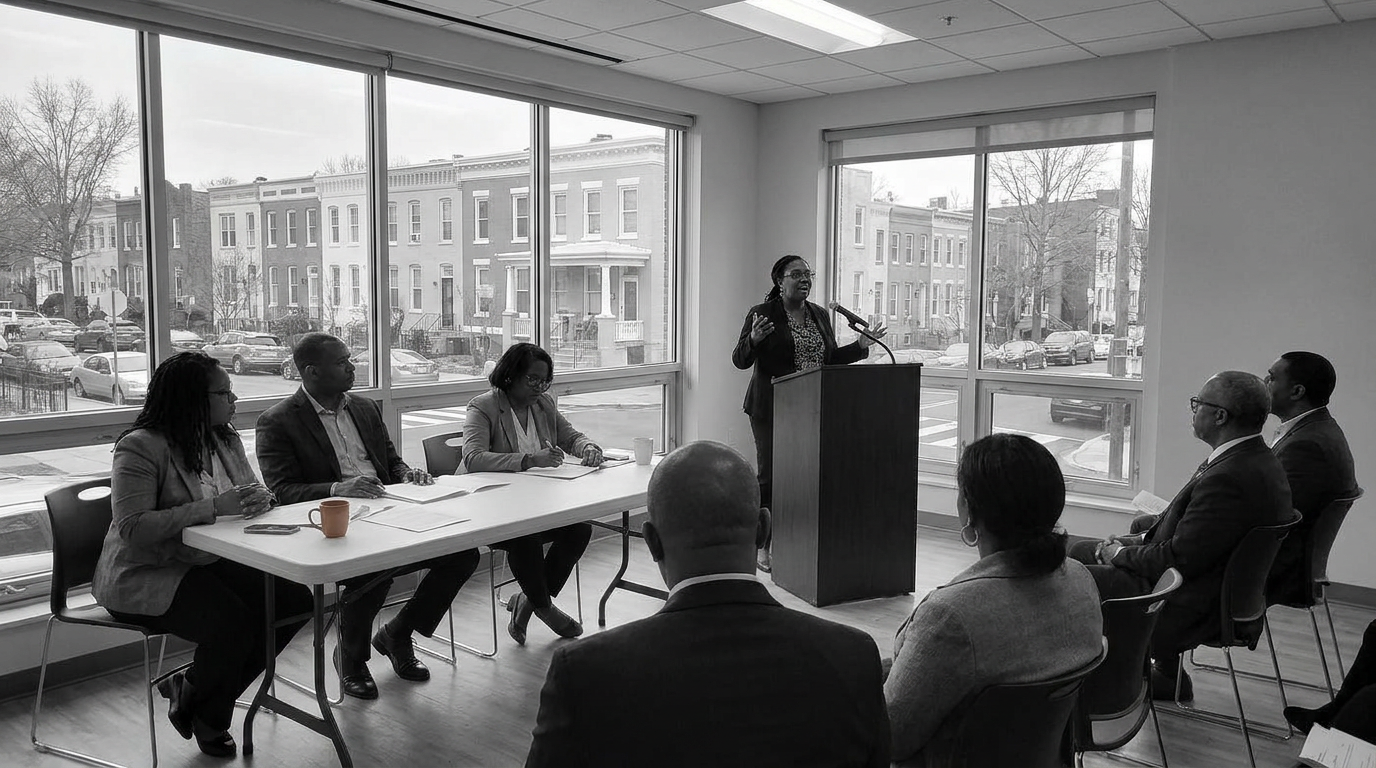
Advisory Neighborhood Commissions (ANCs) are locally elected neighborhood bodies that represent small geographic districts across Washington, D.C. Commissioners meet regularly to collect resident input and send formal recommendations to city agencies, the mayor’s office and the D.C. Council on issues that affect daily life in neighborhoods.
ANCs serve as the primary formal channel for community voice on matters such as land use, liquor licensing, traffic and public safety. While ANCs do not have veto power, their positions carry weight in agency decisions and before the City Council, where commissioners can testify and submit written comments.
How ANCs operate
Each ANC is made up of locally elected commissioners who represent defined single‑member districts. Commissions hold public meetings—typically monthly—where residents can raise concerns, request information from officials, and vote on advisory positions. Agendas, meeting dates and contact information are published so neighbors can follow or participate.
Commissions form working groups or subcommittees to study particular topics such as zoning cases, transportation projects or neighborhood services. Those groups develop recommendations that the full commission may adopt and forward to city agencies or the council. ANCs also weigh in on licensing decisions for new or existing businesses in their districts.
Where ANCs influence city decisions
ANC recommendations are considered by multiple District agencies during permitting and policy reviews. In practice, agencies often engage with commissioners before final decisions, especially on development proposals, changes to street design and liquor license applications. Commissioners also appear at council hearings to present neighborhood positions.
Because ANCs operate at a neighborhood scale, they are frequently the first public body to surface local concerns about proposed projects or services. That makes them a focal point for developers, civic groups and agencies seeking community input, and a regular landing place for residents who want to shape outcomes close to home.
Public participation norms and transparency vary by commission, so prospective participants should check their ANC’s published rules and meeting schedules. Many commissions maintain online pages with minutes, agendas and contact details to help residents get oriented.
Across the city, ANCs help translate neighborhood sentiment into formal recommendations and testimony that feed into the District’s decision making. For residents and organizations trying to influence local outcomes, engaging with ANCs is often an essential early step.
What to watch next: check your ANC’s webpage for upcoming meeting dates and agenda items, and monitor any zoning or licensing cases in your neighborhood where the commission may take a position.