Global vaccination drive reaches 18.3 million children
Global vaccination drive delivered over 100 million doses, reaching 18.3 million children in 36 countries as implementation ended in March 2026.
Ayla Demirhan ·
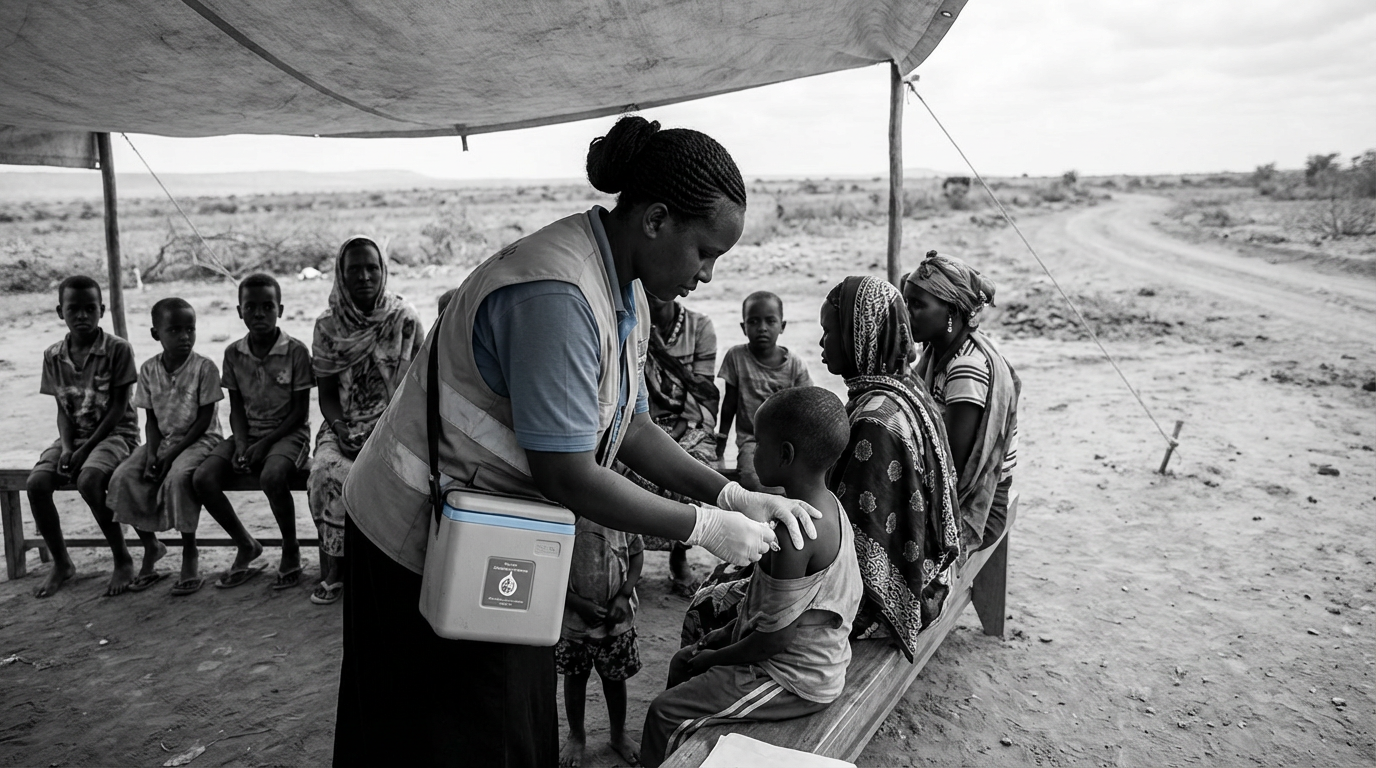
A multi-country vaccination push has delivered more than 100 million doses to an estimated 18.3 million children across 36 countries , according to officials involved in the effort. The campaign was designed to reverse declines in immunization that followed the COVID-19 pandemic and to reduce the number of children missing essential protection.
Officials said about 12.3 million of the children reached had previously received no vaccines at all. They also reported that 15 million of those reached had not been vaccinated against measles, a gap that can raise the risk of outbreaks when coverage falls. The program additionally administered 23 million doses of inactivated polio vaccine as part of its package of catch-up immunizations.
Implementation concluded in March 2026. Projections cited by officials indicate the initiative remains on track to meet its stated goal of reaching 21 million un- and under-immunized children. The participating countries were described as representing 60% of the world’s unvaccinated child population, underscoring the concentration of missed immunizations in a relatively limited set of places.
What happened is a large-scale, time-bound catch-up effort aimed at quickly closing immunity gaps created or widened after the pandemic period. What it means is that a significant share of children who were missed by routine services have now received at least some protection, while the remaining gap to the 21 million target is still material.
Officials emphasized that catch-up campaigns can be effective, but they also stressed that expanding routine immunization programs remains critical. They described routine services as the most sustainable way to protect children over time and to reduce the likelihood of disease outbreaks. The initiative’s results therefore sit alongside a broader policy priority: strengthening regular delivery systems so children are vaccinated on schedule rather than through periodic catch-up drives.
Key uncertainties highlighted by the available information include how quickly routine immunization can be expanded in the same countries and whether the remaining un- and under-immunized children can be reached at the pace implied by the projections. Officials did not provide country-by-country breakdowns in the information released, leaving open questions about where the largest remaining gaps are within the 36-country group.
With the program now concluded, the next phase for stakeholders is translating campaign gains into durable coverage through routine systems, while monitoring for outbreaks in areas where measles and polio immunity remains incomplete. Officials framed sustained routine immunization as central to long-term protection and outbreak prevention.