Iran Reviews U.S. Response as Hormuz Transit Rules Tighten
Iran is reviewing a U.S. peace proposal mediated by Pakistan, while new Strait of Hormuz transit rules raise shipping concerns.
Lauren Collins ·
Iran’s Foreign Ministry said it is reviewing the United States’ latest response to Tehran’s proposal to end the conflict, after messages were exchanged via mediator Pakistan on Thursday. President Masoud Pezeshkian said diplomacy with Washington remains possible, while rejecting attempts to force Iran to accept terms through pressure or threats.
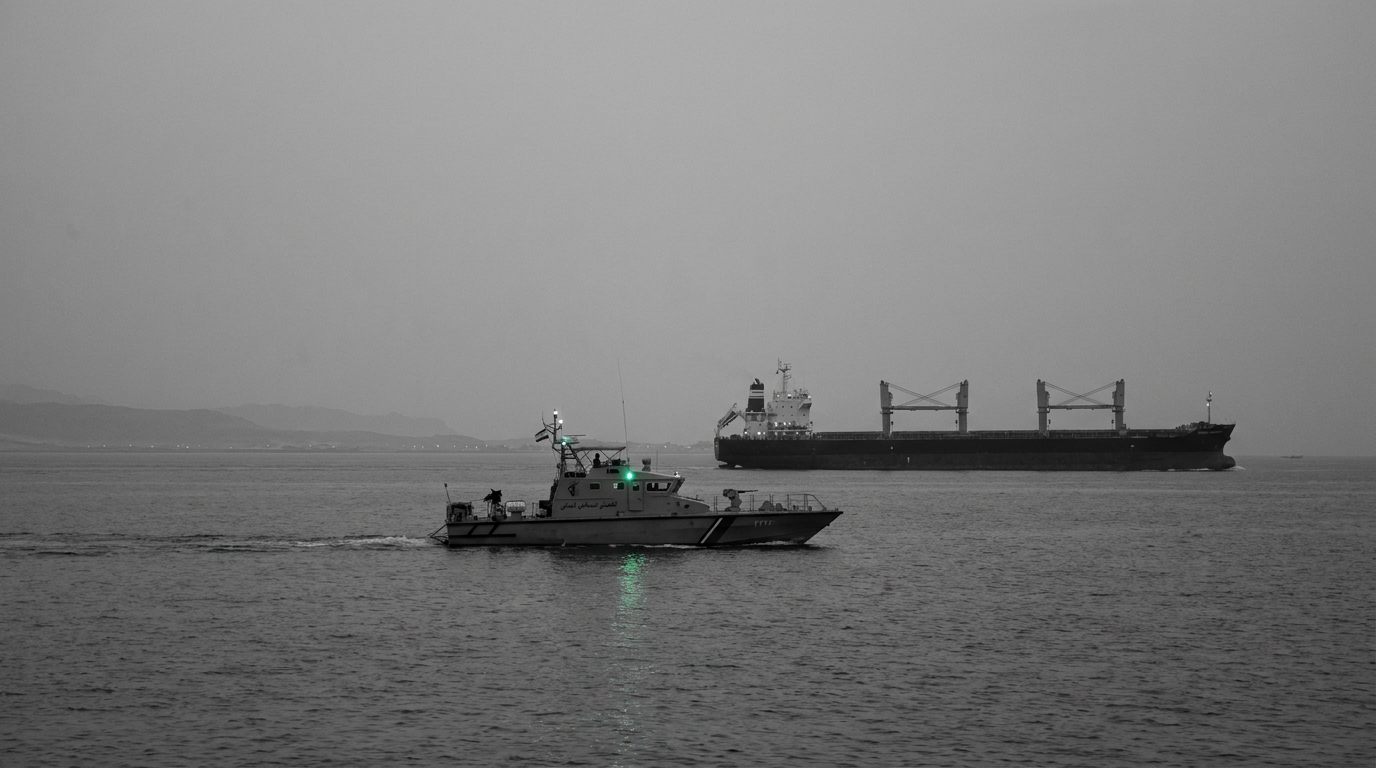
In a separate step that could affect global shipping, Iran’s newly established Persian Gulf Strait Authority announced a “supervision area” in the Strait of Hormuz and said vessels will need permission to transit.
The Foreign Ministry spokesperson, Esmaeil Baghaei, said Tehran was assessing Washington’s reply after several rounds of exchanges mediated by Pakistan. The source material describes the talks as built around Iran’s original “14-point” proposal.
Iran’s parliament speaker and chief negotiator, Mohammad Bagher Ghalibaf, accused the United States of seeking to reignite the conflict and pursuing military objectives despite economic and political pressure. He made the remarks in an audio message posted on his official website.
Hormuz “supervision area” and reported vessel traffic
The Persian Gulf Strait Authority said “passage without permission will be considered illegal,” a warning that raised fresh concerns about maritime security in one of the world’s most important energy and shipping chokepoints. The Strait of Hormuz is a critical route for oil and commercial traffic between the Gulf and global markets.
Iran’s Islamic Revolutionary Guard Corps (IRGC) Navy said 26 vessels—including oil tankers, container ships and other commercial vessels—transited the strait over the past 24 hours after “coordination and security provided by the IRGC navy.”
Diplomacy via Pakistan and U.S. warnings
Pakistan’s Interior Minister Mohsin Naqvi arrived in Tehran for the second time this week as the mediation effort continues. The U.S. administration has warned Iran of potential military consequences if a diplomatic agreement is not reached, according to public comments cited in the source material.
U.S. President Donald Trump said a deal was “within reach” and that he would give diplomacy “a few days” more. Separately, the U.S. Treasury Department lifted sanctions on UN Special Rapporteur Francesca Albanese days after a federal judge temporarily blocked the measures, according to the source material.
In Israel, military chief Lieutenant General Eyal Zamir said the armed forces remain on high alert amid the wider tensions.
Officials on all sides signaled that the next round of messages and any clarification of the new Hormuz transit requirements will be closely watched for their implications for the conflict and for regional shipping.