

Indian AI Start-ups Target Infrastructure and Administrative Inefficiencies
Indian AI start-ups are addressing systemic administrative and infrastructure challenges, though growth is constrained by high computational costs, hardware…
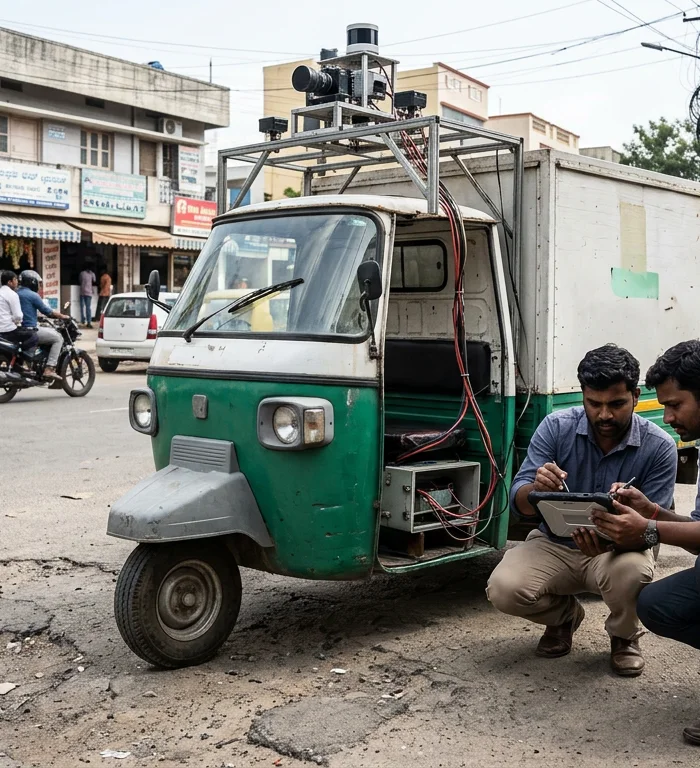
Indian technology firms are increasingly deploying artificial intelligence to address systemic inefficiencies in land titling, urban infrastructure maintenance, and public healthcare delivery. These initiatives focus on digitizing fragmented datasets to bypass traditional bureaucratic bottlenecks that currently impede property transactions and civic maintenance.
In the real estate sector, digital platforms are utilizing geospatial technology and automated document analysis to verify property titles. By aggregating records from state revenue departments and municipal databases, these tools aim to mitigate risks associated with India’s presumptive titling system, which is a primary driver of civil litigation. Similar AI-driven applications are being utilized for infrastructure management, specifically for automated pothole detection and reporting to municipal authorities via real-time image analysis.
Similar AI
In the public health sector, AI tools are being integrated into municipal hospital systems to provide automated patient diagnostics, pre-consultation support, and epidemiological dashboards. These systems assist administrators in tracking disease trends while simplifying complex medical data for patients. The sector has seen significant capital inflow, with AI-focused start-ups raising over $1 billion in the first nine months of the year, representing a 265% year-on-year increase in funding.
Despite this growth, firms face significant operational and financial headwinds. High computational costs, coupled with a limited domestic capacity to pay for premium AI services, complicate the transition from pilot programs to full-scale commercialization. Furthermore, developers report severe supply constraints regarding high-performance graphics processing units (GPUs), which are essential for training and running complex models. While the government has pledged to provide 38,000 GPUs through a national AI mission, current demand continues to outpace available supply. These infrastructural and regulatory hurdles remain the primary risks to the long-term scalability of AI-led solutions within the Indian market.
More stories
- The Week in Games: GTA 6 turns attention into cash
- US data centres emit 25.7m tonnes of CO2, Harvard says
- German founders need 3,942 hours to open small business
- Leaked Deutsche Bank files test Sewing's reform narrative
- UAE employers plan 2.8% pay rises for 2027
- Bessent urges Nvidia to seek outside CEO as scrutiny grows
- BioNTech selects KPMG as 2027 auditor, pending shareholder approval
- NextNRG receives Nasdaq delisting notice; procurement and vendors should brace for tighter terms
Latest news
- Social Security raises 2027 benefits 3.6%
- Hull City 2–0 Brighton: When Resilience Beat Reputation
- David Parr House to honor Victorian art-workman with blue plaque
- Iran's attacks hit 25 tankers near Strait of Hormuz
- FCC approves prison cellphone jamming despite 2.5-mile warning
- Russia strikes Ukraine as Odesa faces electricity strain
- Bahrain reports two injuries after Iranian aerial attacks
- Congress tests Black Democrats' growing policy influence