

Labour MPs Challenge Prime Minister’s 10-Year Industrial Strategy
Labour MPs are pressuring the Prime Minister to adopt a more radical industrial strategy, citing concerns that the upcoming 10-year plan lacks the necessary…
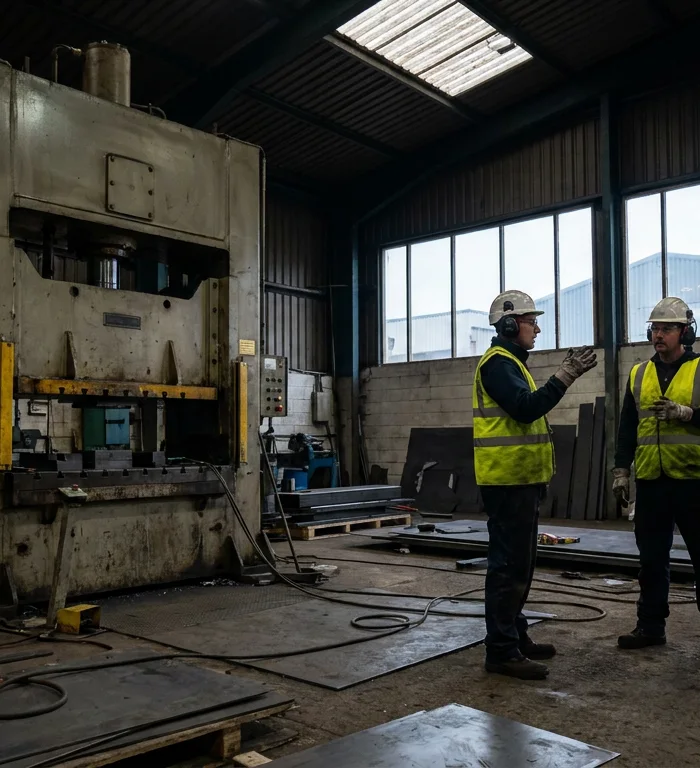
Labour Party members representing former industrial constituencies are expressing significant concern regarding the scope and substance of the Prime Minister’s forthcoming 10-year government plan. The Reindustrialisation Research Group (ReRG) has scheduled a meeting with the Cabinet Office to address perceived deficiencies in the administration’s long-term economic strategy, specifically regarding the revival of heavy industry.
Internal criticism centers on the government’s failure to mitigate high energy costs for manufacturers. While the administration previously pledged a new era of industrialization, MPs argue that current policy support remains insufficient. Recent budget measures focused on household energy rebates rather than expanding industrial competitiveness schemes, leading to accusations that the government’s rhetoric is not currently supported by actionable policy.
Internal stakeholders have questioned the involvement of external
Concerns have also been raised regarding the drafting process of the 10-year plan. Internal stakeholders have questioned the involvement of external consultants, specifically the Boston Consulting Group, in shaping national industrial policy. Furthermore, there is ambiguity regarding the primary leadership of the document’s development, with some MPs expressing frustration over reports that the strategy may be a modest document subject to prolonged consultation rather than the radical blueprint initially promised.
To address these gaps, the ReRG is advocating for the appointment of a dedicated minister for reindustrialization and the devolution of oversight to regional offices in Manchester. The Prime Minister has publicly defended the plan, characterizing it as a substantial and compelling vision for the country, despite reports of potential delays in its release until January. The outcome of the upcoming Cabinet Office engagement will likely determine the level of internal party friction as the administration attempts to reconcile its economic agenda with the expectations of its core electoral base.
More stories
- Germans oppose Ukraine aid as poll shows support slipping
- Kim Jong-un receives 10 envoys after constitutional shift
- Ukraine claims Libya strike sinks Russian naval corvette
- COP31 climate talks collapse over fossil fuels and funds
- Russian military faces 1,087 recorded suicides in Ukraine war
- US faces China, Russia in Africa minerals contest
- Spanish workers stage first general strike in 14 years
- Singapore faces 400-post Indonesia disinformation push
- France faces recession risk after 0.1% GDP drop
- Israel faces UN warning over 70% Gaza deployment aim
Latest news
- Trump prepares tariffs on China and other major exporters
- New-car buyers pay record average $50,087 in October
- Banks face ECB reserve debate over liquidity and profits
- Investors see Anthropic debut gains fade below $83 a share
- Iraq orders federal control over Kurdish-area oilfields
- Nvidia shares retreat as AI rally cools before PCE data
- Macy’s parade faces balloon limits as storm winds approach