

Kyiv says Russia keeps hitting energy sites despite Trump-backed ceasefire push
Kyiv’s latest claims put pressure on Washington to show whether diplomacy with Moscow is producing restraint or delaying urgent air-defense support.
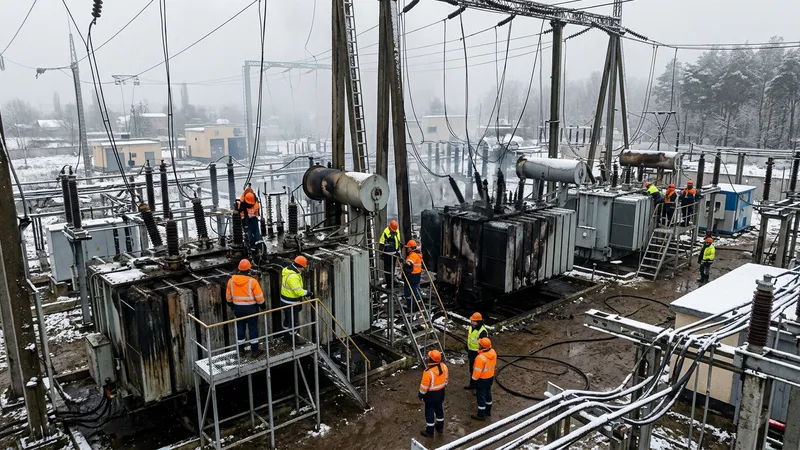
Kyiv says Russia keeps hitting energy sites despite Trump-backed ceasefire push
Washington faced a fresh test of President Trump’s Ukraine diplomacy after Kyiv said Russian strikes on energy facilities continued despite discussions around an energy-focused ceasefire. The claim, if sustained by battlefield evidence and allied assessments, would shift attention inside the administration from diplomatic signaling toward the supply of air-defense systems Ukraine says it needs to protect its grid.
The immediate issue for the White House, Pentagon and National Security Council is whether Moscow is treating energy infrastructure as part of the battlefield while talks continue. Kyiv’s position is that attacks on power facilities have not stopped, according to the summary provided, leaving Washington to judge whether an informal understanding exists in practice or only in rhetoric.
Energy infrastructure has been a central target in Russia’s war against Ukraine because it affects both military resilience and civilian life. Strikes on power generation, transmission nodes and substations can force blackouts, complicate air-defense coverage and increase pressure on Ukraine’s government during periods of high demand.
President Trump’s diplomacy has included efforts to explore limited understandings with Moscow, including a narrower halt to attacks on energy facilities rather than a comprehensive ceasefire. Such a move would be easier to test than a full battlefield truce, but only if both sides define covered targets, verification methods and consequences for violations.
President Trump
In Washington, that distinction matters. The State Department and White House can pursue channels with Moscow, but the Pentagon controls the practical timelines for military transfers, including air-defense interceptors and related systems. Congress, especially defense and foreign affairs committees, can press the administration on whether negotiations are slowing equipment flows Ukraine considers urgent.
Ukraine’s request for more air defense is tied directly to the grid problem. Systems such as Patriots and NASAMS can help intercept missiles and drones, but each battery depends on scarce interceptors, trained crews and logistics support. A diplomatic pause that fails to hold would leave Ukraine exposed if it also reduces the urgency of resupply planning.
The political risk for President Trump is that an energy ceasefire becomes a test of leverage rather than a confidence-building step. If Russia keeps striking facilities while Washington describes talks as active, critics in Congress are likely to argue that Moscow is using negotiations to buy time or shape the tempo of U.S. decisions.
For the Pentagon, the operational question is narrower: whether to prioritize packages that protect power infrastructure even before a wider settlement framework is clear. That could mean moving air-defense interceptors, radar support or related sustainment items faster, if the administration decides grid protection is now the urgent military requirement.
The clearest test is whether the Department of Defense announces, by May 15, 2025, an expedited aid package that explicitly dedicates air-defense interceptors or related systems to protecting Ukraine’s energy infrastructure. If that happens, Washington will have treated the reported strikes as evidence that deterrence must come through immediate supply lines; if it does not, and deliveries are deferred while talks continue, the administration will be judged on whether Moscow’s conduct changes faster than Ukraine’s grid vulnerability grows.
More stories
- Saudi Arabia vows response after Houthi attacks kill 13 in Riyadh
- Eritrea Seeks UN Action Over Ethiopia War Allegations
- North Korea fires missiles after South Korean weapon test
- China Issues Formal Condemnation of Houthi Attacks on Saudi Infrastructure
- Delhi Implements Security Restrictions Amid Ongoing Electoral Protests
- Oil CEOs leave Riyadh agenda after deadly airport attacks
- Investors weigh France debt as school protests intensify
- Riyadh airport faces 60% flight cancellations after strikes
- Yemen offensive puts Bab el-Mandeb route at risk for ships
- Okinawa Marine arrest tests US-Japan base ties after death