Japan-linked tanker exits Hormuz as crews head home
A Japan-linked tanker with three Japanese crew has crossed the Strait of Hormuz safely, as Tokyo presses diplomacy to restore secure navigation.
Omar Farouk ·
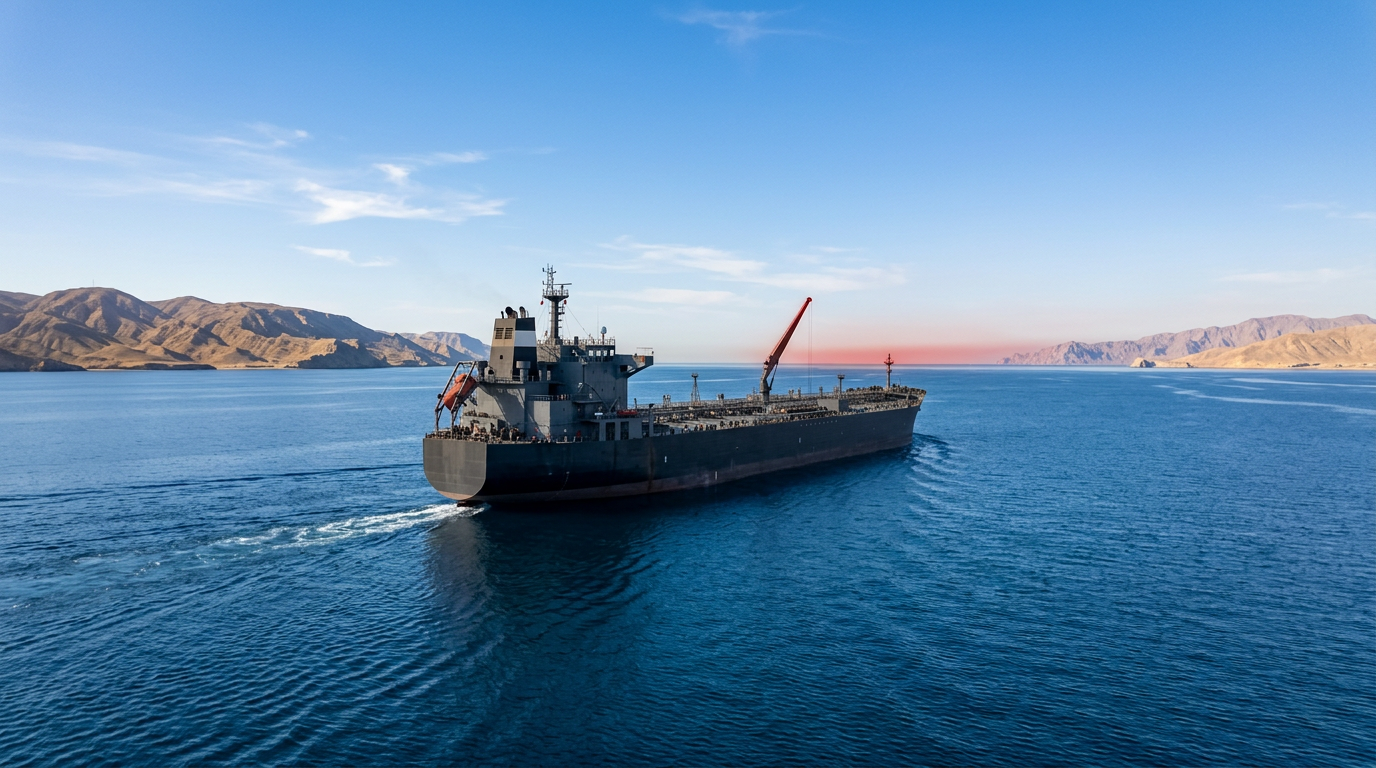
A Japan-linked crude oil tanker that had been unable to proceed in the Arabian Gulf has safely crossed the Strait of Hormuz and is now heading toward Japan, Prime Minister Sanae Takaichi said.
In a statement posted on X, Takaichi said the vessel carried three Japanese crew members. She added that, following the transit, every Japan-linked ship with Japanese crew that had been in the Arabian Gulf has now departed the area.
Reuters identified the ship as a Liberian-flagged crude carrier owned by Japan’s Kyoei Tanker. The prime minister did not provide a timetable for the voyage to Japan or further operational details.
Status of Japan-linked shipping in the region
While highlighting the successful passage, Takaichi said 37 other Japan-linked vessels remain queued and waiting for passage. She did not specify whether those ships have Japanese crew aboard, nor did she identify their cargoes.
The Strait of Hormuz is a narrow maritime chokepoint connecting the Persian Gulf to the Gulf of Oman and onward to global sea lanes. Because it is a primary route for crude oil shipments from Gulf producers, disruptions can quickly affect shipping plans and energy markets.
Takaichi’s update suggests Tokyo is tracking not only ships flagged to Japan, but also vessels with ownership, chartering, or other commercial ties to Japanese companies. Such “Japan-linked” exposure can include tankers that sail under foreign flags while serving Japanese trade flows.
Tokyo’s diplomatic message on navigation
Takaichi said Japan’s government will continue “every diplomatic effort” aimed at restoring “free and safe navigation” through the Strait of Hormuz. Her remarks framed the issue as a navigation and maritime safety concern rather than a commercial scheduling dispute.
Tokyo has long viewed stable passage through Hormuz as central to energy security, given Japan’s reliance on imported crude oil and liquefied natural gas. A prolonged slowdown in transits can raise shipping costs, create delivery uncertainty, and force companies to adjust routing and loading schedules.
The prime minister’s emphasis on diplomacy also signals a preference for de-escalatory tools to keep sea lanes open. Japan typically coordinates such efforts through official channels with regional states and partners, while maintaining a focus on protecting Japanese nationals and commercial interests.
What the crossing indicates for risk management
The safe transit of the Japan-linked tanker reduces immediate risk to the three Japanese crew members cited by Takaichi. It also suggests that at least some movements through Hormuz remain possible even as other vessels wait.
However, the presence of 37 Japan-linked ships still awaiting passage underscores continuing uncertainty for operators tied to Japanese trade. Any extended delays could complicate crude procurement logistics, tighten tanker availability for specific routes, and increase insurance and security-related costs.
For now, the government’s next steps appear to center on diplomatic engagement and monitoring of vessel movements. Shipping and energy firms will likely watch whether the backlog clears and whether navigation conditions through the Strait of Hormuz stabilize in the coming days.