

Italian logistics gridlock follows rising fuel cost protests
Widespread demonstrations against inflation and fuel prices have disrupted Italian supply chains, causing significant delays in food distribution.
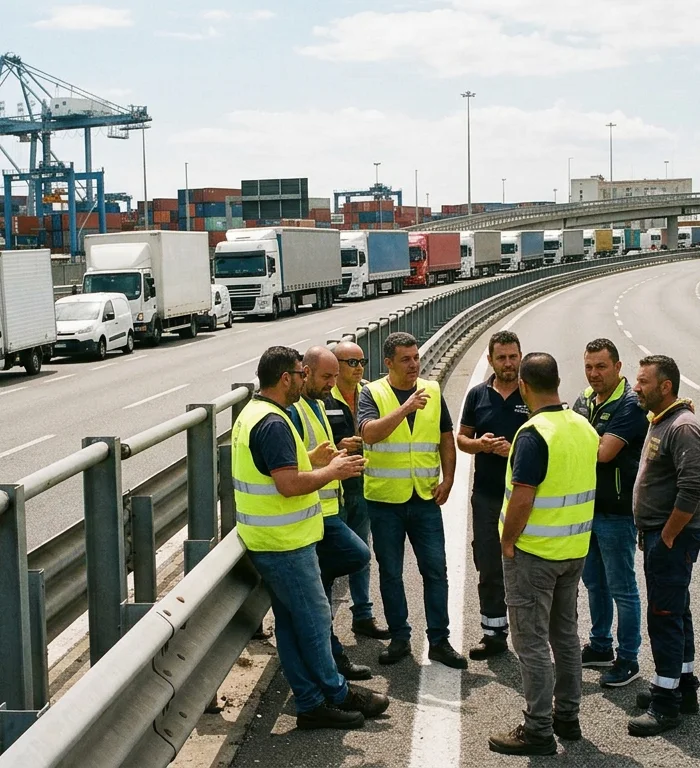
Logistics networks face severe disruptions
Widespread demonstrations across Italy, fueled by escalating living expenses and record-high energy costs, have significantly hampered the nation’s transport infrastructure. Reports indicate that fuel prices have climbed to approximately €2.30 per liter, serving as a primary catalyst for labor strikes within the agricultural and shipping industries.
These actions have effectively stalled commercial movement throughout multiple provinces. Key transit arteries and major maritime gateways, most notably the Port of Naples, are experiencing operational bottlenecks that prevent the smooth flow of goods.
Urban centers and regional trade impacted
Major metropolitan areas such as Rome and Milan have seen protesters gather to voice concerns regarding stagnant wage growth and the rising burden of housing expenses. By obstructing highway access points, these groups have successfully slowed the distribution of essential commodities, with the southern regions bearing the brunt of the logistical strain.
In Calabria, specifically near Catanzaro Lido, coordinated blockades by transport operators and farmers have prevented deliveries from reaching retail shelves. Industry observers note that these localized disruptions are creating a ripple effect, complicating the replenishment of inventory for local businesses.
Economic implications and future outlook
Consumer advocacy groups have issued warnings regarding the rapid depletion of fresh produce and essential food supplies. These organizations are calling upon national authorities to introduce immediate interventions to mitigate the risk of further price volatility for the average household.
The current situation is expected to exacerbate existing inflationary trends, as the inability to move goods efficiently often leads to increased costs for the end consumer. While the government faces mounting pressure to address these logistical hurdles, the duration and potential expansion of these protests remain uncertain, posing a continued risk to the stability of the national supply chain.
More stories
- Global stocks fall 0.4% as tariffs and US inflation loom
- Trump prepares tariffs on China and other major exporters
- Banks face ECB reserve debate over liquidity and profits
- Investors see Anthropic debut gains fade below $83 a share
- Iraq orders federal control over Kurdish-area oilfields
- Nvidia shares retreat as AI rally cools before PCE data
- Western Alliance rises 2.27% after Q3 profit tops estimates
- France weighs costs as French riots test insurance sector
- Iran gas discovery adds 7.5 Tcf to strained supply system
- US debt puts Treasury yields beyond Bessent’s reach for now