

IRGC shoots down U.S. LUCAS drone near Strait of Hormuz
Iran reports intercepting an American low-cost attack drone, marking a new phase in technological warfare over the Persian Gulf’s critical energy chokepoint.
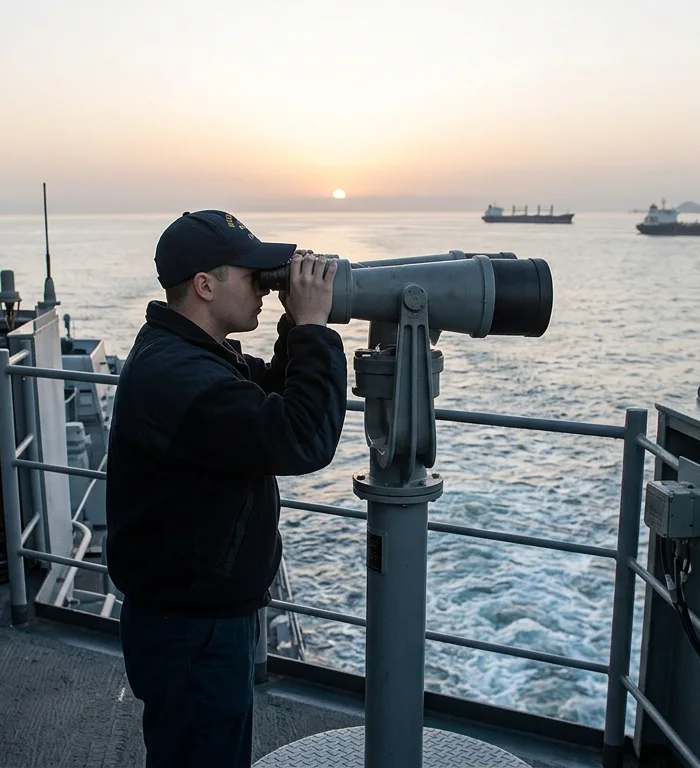
Strait of Hormuz tensions escalate
The Iranian Army Air Defense Force intercepted and destroyed a U.S. Low-cost Uncrewed Combat Attack System (LUCAS) drone east of the Strait of Hormuz, according to reports from state-affiliated media. The incident involves the downing of a system explicitly designed for mass-deployment and autonomous swarm operations.
This engagement represents a shift in the aerial standoff between Tehran and Washington. The LUCAS platform, estimated to cost about $35,000 per unit, was developed as a direct response to the operational utility demonstrated by Iranian Shahed-class munitions. The system is engineered for one-way strike missions with a range of approximately 500 miles.
Technological clash in the Gulf The Iranian Army Air The development of the LUCAS drone marks a significant pivot in U.S. military strategy toward fielding inexpensive, attritable assets. By reverse-engineering Iranian-origin designs, the U.S. has sought to counter regional threats using the same high-volume, low-cost model that has defined Iranian military tactics over the past decade. The Persian Gulf serves as the world’s primary maritime chokepoint, with roughly 20% of global petroleum consumption transiting the Strait of Hormuz daily. This geographic reality makes the region a focal point for the Islamic Revolutionary Guard Corps (IRGC) and U.S. Central Command (CENTCOM), who maintain a persistent and adversarial presence in the narrow waters. Maritime stability and insurance risks The downing of the drone carries immediate implications for global shipping security and the regional maritime economy. Kinetic interference with reconnaissance assets increases the operational risk for commercial vessels navigating the Strait, which often dictates the movement of global oil prices through volatility in insurance premiums.
Increased Iranian activity targeting U
Analysts monitoring the Gulf anticipate that persistent confrontations could force a shift in tanker transit protocols. Increased Iranian activity targeting U.S. uncrewed systems complicates the deployment of western naval assets, as regional powers and international shipping firms weigh the risks of operating within the contested airspace of the Strait.
Monitoring future escalations
The immediate outlook depends on the formal response from U.S. military leadership regarding the freedom of navigation in the region. If CENTCOM shifts to more aggressive defensive postures, regional transit costs may face upward pressure as insurers reassess the security environment of the Persian Gulf by June 15, 2025.
More stories
- Germans oppose Ukraine aid as poll shows support slipping
- Kim Jong-un receives 10 envoys after constitutional shift
- Ukraine claims Libya strike sinks Russian naval corvette
- COP31 climate talks collapse over fossil fuels and funds
- Russian military faces 1,087 recorded suicides in Ukraine war
- US faces China, Russia in Africa minerals contest
- Khamenei orders unrestricted response to any US or Israeli attack
- Trump administration widens Alaska election investigation
Latest news
- Trump prepares tariffs on China and other major exporters
- New-car buyers pay record average $50,087 in October
- Banks face ECB reserve debate over liquidity and profits
- Investors see Anthropic debut gains fade below $83 a share
- Iraq orders federal control over Kurdish-area oilfields
- Nvidia shares retreat as AI rally cools before PCE data
- Macy’s parade faces balloon limits as storm winds approach