Iran’s wildlife protection falters as war, sanctions and smuggling squeeze funding
War risks, economic crises, and sanctions are threatening Iran’s conservation efforts, leaving endangered species vulnerable to trafficking.
Mei Lin ·
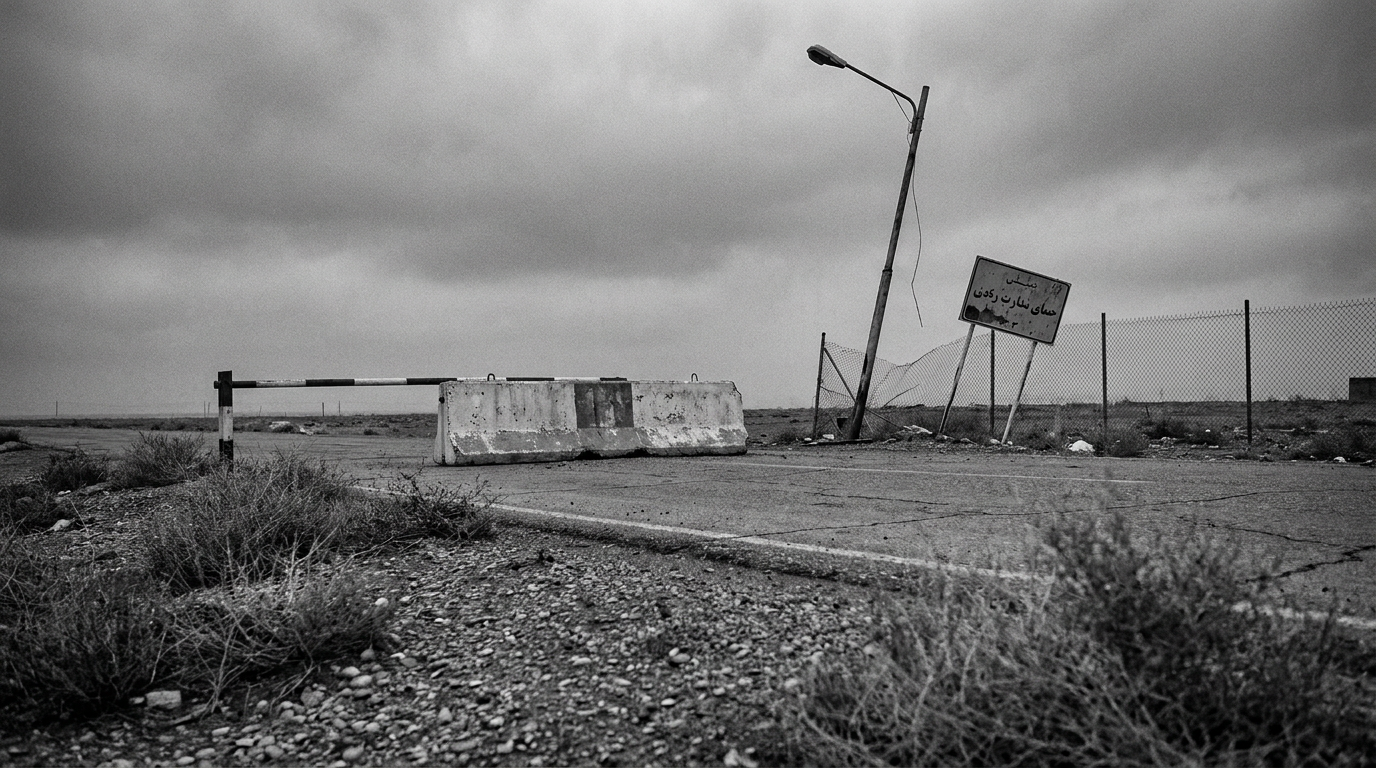
Iran’s effort to protect endangered wildlife is being complicated by a mix of security pressures, economic stress and restrictions on international cooperation, according to a report published by The Economic Times. Conservationists working inside the country say the squeeze is showing up in reduced capacity to patrol habitats, weaker funding channels and more room for wildlife trafficking.
The report describes a conservation landscape where smuggling networks and habitat degradation compound the strain, putting species such as falcons and the Asiatic cheetah under added pressure. It also says international sanctions limit funding pathways for conservation organizations operating in Iran, even as environmental threats intensify.
Iran sits at a crossroads of major security
Iran sits at a crossroads of major security and trade corridors, and its domestic priorities have been repeatedly reshaped by regional conflict risks and internal economic shocks. When government bandwidth and budgets get pulled toward security and basic stabilization, long-horizon issues like habitat restoration, ranger staffing and anti-trafficking enforcement can slip down the agenda.
Sanctions are a central constraint in the report’s account of why conservation capacity is hard to sustain. The Economic Times says restrictions complicate access to overseas funding and support for Iranian conservation groups, which can affect everything from field operations to monitoring programs and equipment procurement.
Wildlife and habitat loss is not contained by borders. If enforcement weakens and trafficking rises, smuggling routes can expand across neighboring markets, increasing pressure on regional biodiversity and potentially drawing more illicit trade into connected supply chains.
There is also a financial and policy spillover
There is also a financial and policy spillover. When sanctions and banking limits block legitimate conservation funding or technical partnerships, the gap can leave ecosystems more vulnerable to rapid degradation, which in turn can worsen land-use conflicts and strain already stressed rural economies. Over time, that can feed back into migration patterns and local security challenges in border regions.
By 2024-09-01, watch for a falsifiable signal: announcements by international conservation bodies or aid organizations of new, clearly defined programs or funding channels that explicitly include Iranian wildlife conservation. If such initiatives appear and are structured to comply with sanction regimes, it would support the case that conservation work can regain operational capacity despite geopolitical constraints. If no programs emerge and Iran’s political or economic situation deteriorates further, the mechanism described in the report suggests greater pressure on habitats and enforcement, increasing the odds of more trafficking and faster biodiversity loss.