Iran War: US Awaits Peace Offer Amid New Military Strikes
Iran war diplomatic efforts tested as U.S. awaits Tehran's response to peace proposal amid escalating strikes and regional instability.
Lauren Collins ·
Diplomacy Tested by Hormuz Clashes
The US awaits a crucial response from Tehran on a peace plan to halt the Iran war, even as new military clashes erupt in the Strait of Hormuz. (150 chars)
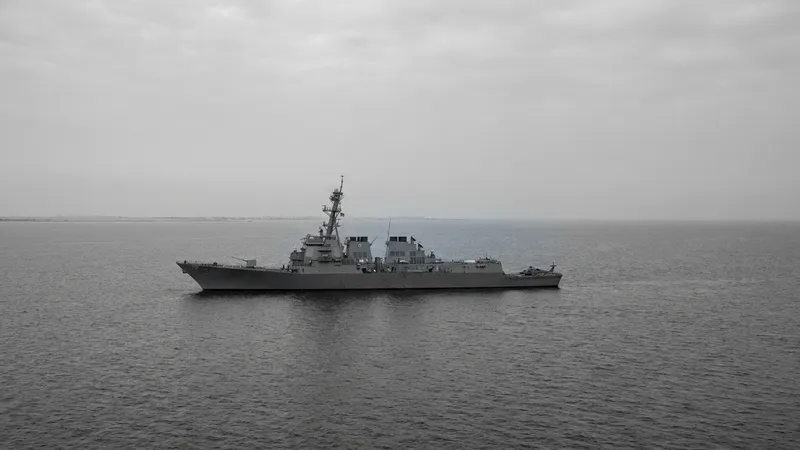
This high-stakes diplomatic maneuver comes amid active hostilities. U.S. forces recently disabled two Iranian-flagged oil tankers that attempted to bypass an American naval blockade. The U.S. also targeted Iranian military sites accused of launching prior attacks on its warships in the strategic waterway.
Despite the exchange, President Donald Trump asserted that an existing ceasefire between the two nations remains in effect. Secretary of State Marco Rubio characterized the U.S. military actions as defensive measures, stating they were “separate and distinct from Operation Epic Fury.” Meanwhile, Iranian media outlets described the events as a “limited exchange of fire.”
Regional Conflict Widens
The conflict’s ripple effects are intensifying across the Middle East. On Friday, Hezbollah claimed responsibility for an attack on a military base in Israel, marking the Iran-backed group's first public claim of a strike since a truce was brokered in mid-April.
Both Israel and Hezbollah have traded accusations of violating the truce, which was extended in late April but now appears to be collapsing. Since March 2, Israeli strikes have killed 2,759 people and injured over 8,500 in Lebanon, according to the Lebanese government. For its part, Hezbollah claimed it launched approximately a dozen attacks against Israeli military posts on Friday.
The violence has devastated southern Lebanon, where officials report nearly a quarter of all agricultural land has been destroyed. Further instability was reported in the United Arab Emirates, where three people were injured in new attacks of unconfirmed origin.
Global Economic Strain Grows
The economic consequences of a prolonged war are becoming more apparent globally. Consumers in developed nations are increasingly drawing down their personal savings to cope with rising living costs, according to financial analysts.
Paul Donovan, global chief economist for UBS Wealth Management, noted that companies are successfully passing on higher operational and supply chain costs to the end consumer. This trend is straining household budgets worldwide.
Donovan warned that surging energy prices could soon force families to reduce spending on other goods and services. A tipping point may be reached if households are no longer willing or able to deplete their savings to maintain their standard of living.
The U.S. Central Command confirmed its blockade remains effective, with over 70 vessels prevented from accessing Iranian ports and more than 50 others being redirected, choking off maritime trade.