Iran targets Gulf allies after US strikes
Officials said drones were fired at Kuwait and Bahrain after overnight US airstrikes in Iran.
Mateo Fernandez ·
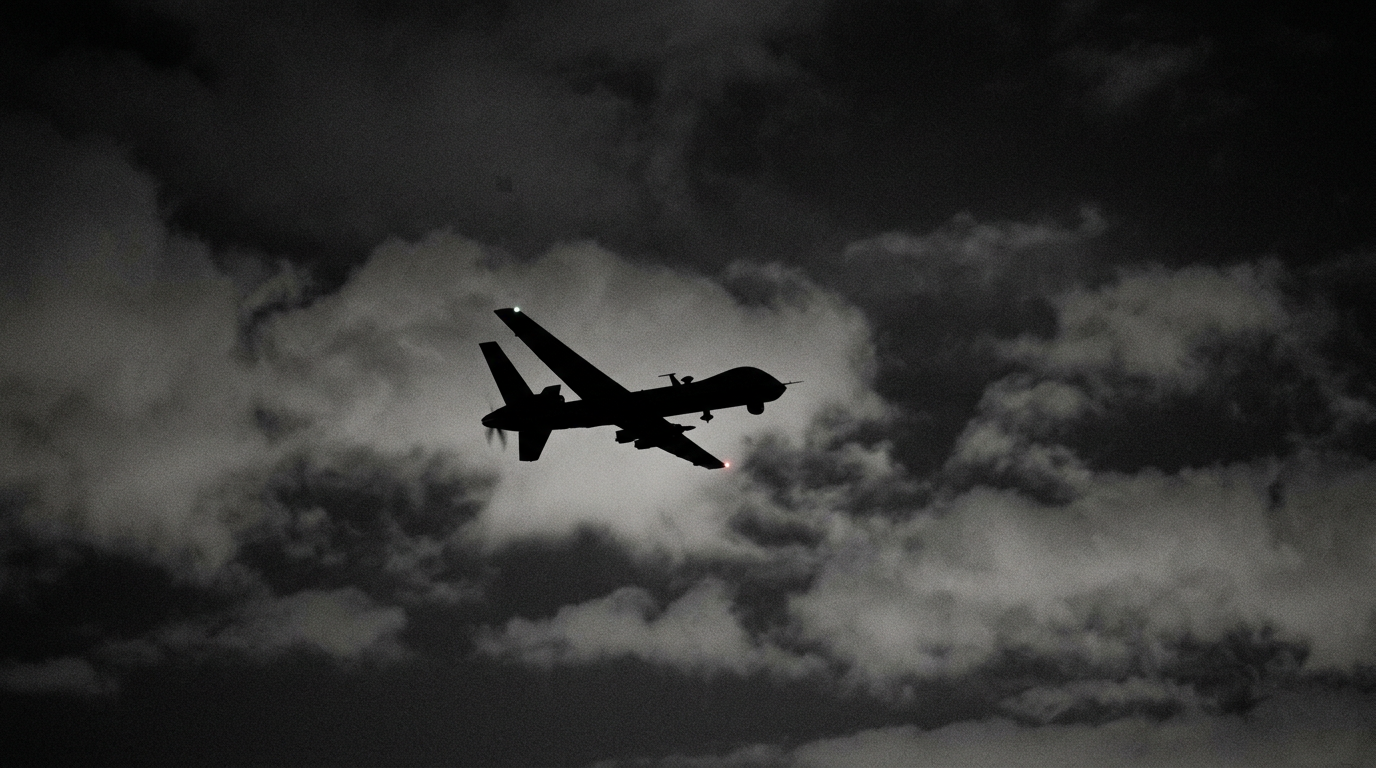
Officials said Iran targeted US allies in the Gulf on September 2, firing drones at Kuwait and Bahrain after overnight US airstrikes in Iran. Reaction pending, with the first market test likely to come through oil, safe-haven demand and Gulf risk premiums.
Iranian officials also said a US strike hit a wedding party, killing five people and wounding 68 in their account. The casualty claim was attributed to Iranian officials and was not matched in the payload by a US casualty statement.
Gulf allies enter the firing line
The reported attacks widen the immediate field of confrontation from Iran and US forces to Gulf states that host or support American security infrastructure. Kuwait and Bahrain sit close to key energy and military routes, making even limited drone fire relevant for shipping, insurance and regional air-defense calculations.
For global markets, the mechanism is direct: if the exchange stays confined to military targets, traders may treat the episode as a contained geopolitical shock. If attacks continue near Gulf energy infrastructure or shipping corridors, crude prices, haven currencies and defense-linked equities are the assets most exposed to repricing.
For the countries named, the operational issue is whether drones were intercepted, caused damage or force changes in base posture. For the wider energy sector, insurers, tanker operators and refiners will watch whether transit risk rises beyond the immediate conflict zone.
The next dated window is the 24 hours through September 3, 2026, when official statements from Washington, Tehran, Kuwait and Bahrain will determine whether the episode is framed as a one-off retaliation or a broader regional phase.