Iran missile attack tests Trump's ceasefire pause in Gulf
An Iran missile attack on U.S. forces was intercepted, raising pressure on President Trump as ceasefire diplomacy and Hormuz talks falter.
Lauren Collins ·
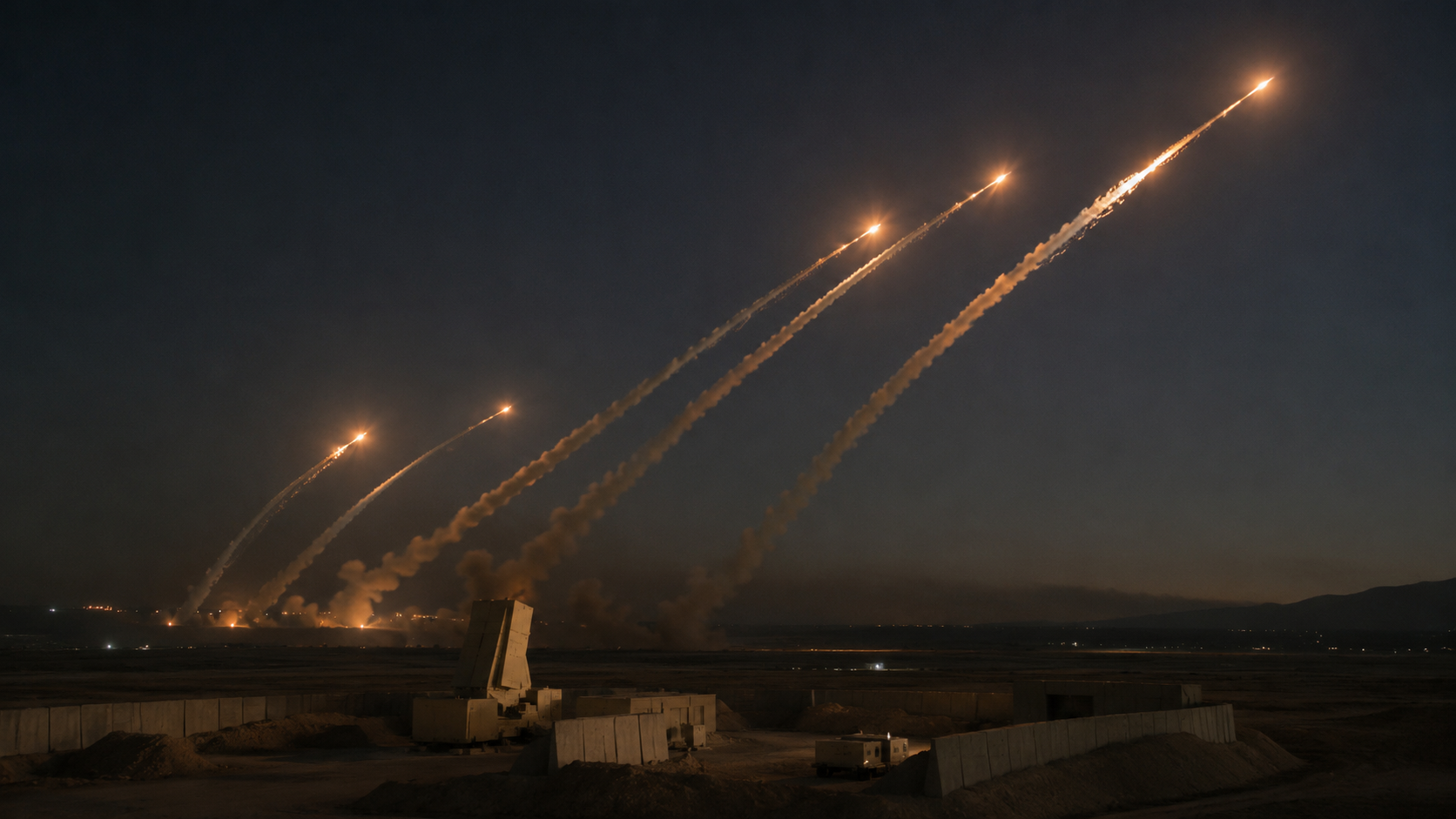
An Iran missile attack on U.S. forces in the Middle East was intercepted, the U.S. military said, raising pressure on President Trump.
Interceptors stopped the barrage
The strike ended four days without reported fire between the two sides and returned the confrontation to its central question: whether a pause in U.S. airstrikes can survive another Iranian launch. The U.S. military said all missiles were stopped, but it did not identify the target or say how many weapons were fired.
That missing detail matters for both policy and military planning. A strike aimed at a major base, a logistics hub or naval forces would carry different implications for U.S. commanders trying to protect personnel across a wide region.
For the White House, the timing is acute. President Trump paused U.S. airstrikes on Iran on Friday to give negotiations room, then warned Tuesday that strikes could resume if no ceasefire agreement emerged.
In a Tuesday television interview, Trump said, "They know I’m going to do that if they don’t make a deal." He also said Iran had agreed in principle to abandon nuclear-weapons ambitions, but needed to formalize that position.
Hormuz dispute narrows diplomacy
The missile launch also came as diplomacy over the Strait of Hormuz appeared to move backward. Iran said Tuesday it had rejected an Omani plan to restore traffic through the waterway and advanced its own proposal, which would give Tehran more control over shipping.
Hormuz is not a side issue in this confrontation. A traffic arrangement there would shape naval deployments, shipping confidence and the credibility of any ceasefire because control over passage is part of the leverage Iran is trying to preserve.
The security backdrop is already severe. The latest attack followed a mid-July Iranian missile strike on Muwaffaq Salti Air Base in Jordan that killed three U.S. soldiers, after one of three barrages in a 24-hour period hit prefabricated housing used by troops.
That episode explains why successful interception does not end the policy problem. Iranian ballistic missiles and drones remain dangerous to U.S. forces even after months of U.S. airstrikes, because defensive systems have to work every time while attackers need only one breach.
Trump faces limited options
Behnam Ben Taleblu of the Foundation for Defense of Democracies said the strike increases pressure for a U.S. response. "The Trump admin cannot afford to let this surprise attack go unanswered," he said, adding that Washington faces "the costs of unfinished business."
Danny Citrinowicz, a senior fellow at the Institute for National Security Studies, said Iran may be using the attack to challenge American resolve. "Iran is striking the U.S. to show that it can take the initiative and take the fight to the U.S.," he said.
The next stage turns on damage, intent and restraint. If U.S. defenses continue to stop incoming missiles and Iran keeps attacks limited, Trump can argue that military pressure and diplomacy still coexist, reducing immediate stress on regional shipping and giving commanders time to reinforce exposed sites.
If an Iranian strike causes new U.S. casualties, the mechanism changes quickly. Pressure to restart airstrikes would rise, Gulf shipping risk would widen and regional militaries would prepare for a longer contest between missiles, drones and air defenses.
A diplomatic route remains possible if Oman or another mediator can revive a Hormuz traffic formula both sides can accept. The open questions are where Iran aimed the latest missiles, whether Tehran intended a calibrated signal or a larger escalation, and whether Trump treats a fully intercepted strike as an attack requiring military reply.