India’s youth blogs push a civics point: dissent is part of democracy
A Times of India youth blog argues that the right to disagree with government is a core democratic habit, not a once-in-five-years ritual at the ballot box.
Mei Lin ·
# India’s youth blogs push a civics point: dissent is part of democracy
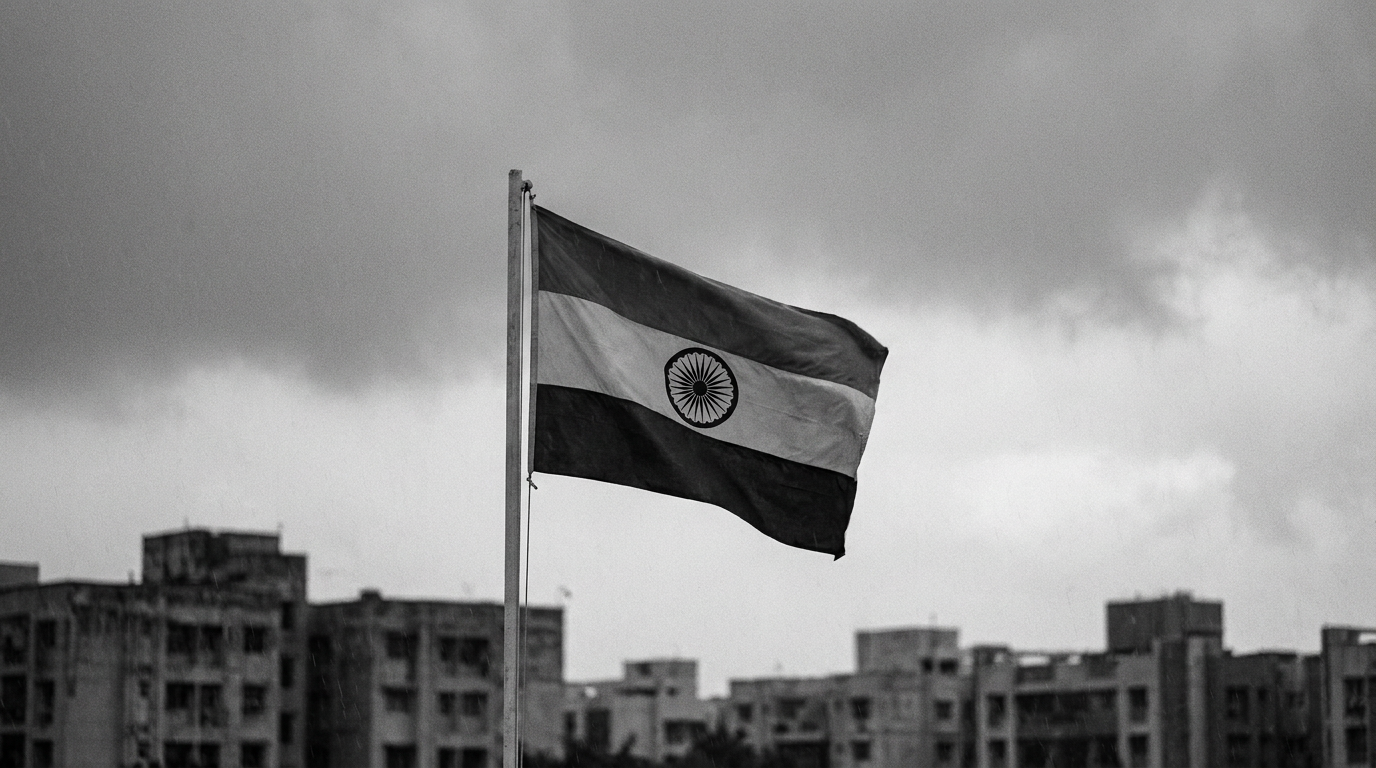
A Times of India youth blog this week made a simple argument with outsized relevance for Asia’s politics: dissent is not a disruption to democracy, it is one of its daily operating systems. Framed as a Gen Z reflection on “agreeing to disagree,” the post lands amid a region where governments are balancing political stability, online speech, and public trust.
Across Asia
Across Asia, debates about dissent tend to travel through institutions that are both formal and informal: courts, election commissions, universities, and increasingly social platforms. In India, political participation is not limited to voting cycles; it also shows up through civil society campaigns, campus politics, and public-interest litigation, even as disagreements over speech boundaries keep returning to the center of national debate.
The blog’s civics-first framing mirrors a broader regional pattern where younger audiences encounter politics through commentary, explainers, and creator-led formats as much as through party platforms. In Southeast Asia, the Association of Southeast Asian Nations (ASEAN) has often emphasized stability and non-interference, yet domestic political contests across member states regularly test where protest, criticism, and “acceptable” speech begin and end.
For Asia’s large democracies and hybrid systems alike, how dissent is treated affects more than domestic politics. It shapes investor confidence, policy continuity, and the credibility of institutions that markets rely on, from regulators to courts. Where dissent is protected and channeled into debate, governments can correct course earlier; where it is stigmatized or penalized, policy errors can compound before they are acknowledged.
Across Asia
The spillovers are also cross-border. Supply chains and trade ties are sensitive to political temperature: prolonged unrest can disrupt ports, logistics, and tourism; sharper rhetoric can raise geopolitical risk premia and pressure foreign exchange markets through capital outflows. In an era of real-time information flows, arguments about civic rights in one country are quickly echoed by diaspora communities and activists elsewhere, influencing how partners assess stability, security posture, and long-term alignment.
By 2026-08-15, watch whether India’s mainstream civic conversation keeps elevating “dissent as participation” in youth-facing formats, or shifts toward narrower definitions of acceptable disagreement as political competition intensifies. The observable signal is the frequency and prominence of major Indian publications and education-linked platforms commissioning or amplifying youth-authored civic explainers that explicitly defend disagreement as democratic practice; if that stays high, it suggests resilience in pluralist norms, but if it drops or becomes more conditional, it points to a tightening debate environment that can ripple through institutions and markets.