India's Nuclear Doctrine Faces Reassessment Amid Evolving Regional Threats
India's two-decade-old nuclear doctrine, based on no-first-use and credible minimum deterrence, is undergoing an internal reassessment due to new security…
Mei Lin ·
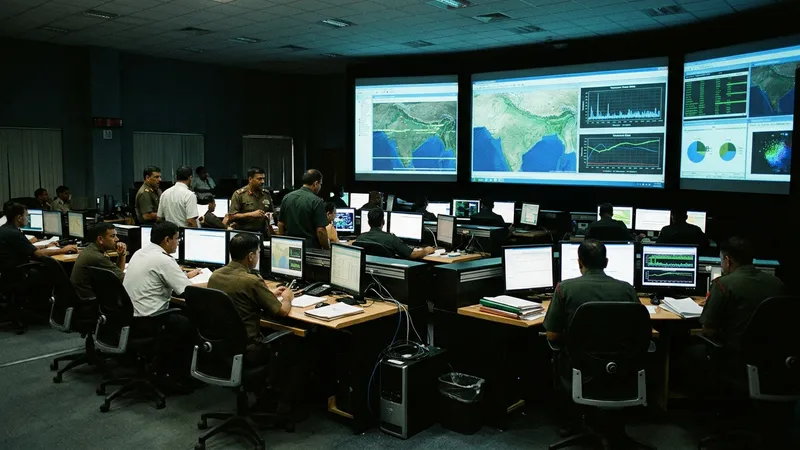
India’s longstanding nuclear doctrine, established in 2003, is facing renewed scrutiny as security challenges across Asia intensify. This examination centers on the core tenets of credible minimum deterrence and a No-First-Use (NFU) policy, which have governed India’s nuclear posture for over two decades.
India's Consistent Stance
Formally articulated by the Cabinet Committee on Security in 2003, India’s nuclear doctrine codified principles that include building and maintaining a credible minimum deterrent, a commitment to No-First-Use, and the option of massive retaliation if deterrence fails. Civilian political leadership retains ultimate control over nuclear weapons. This framework has provided strategic stability in a complex region, underpinning India’s posture as a responsible nuclear power following its 1998 tests.
Its NFU commitment differentiates its policy from those
The doctrine’s stability has been critical for India, a country that shares borders with two nuclear-armed states: China and Pakistan. Its NFU commitment differentiates its policy from those of some other nuclear powers, while the credible minimum deterrent aims to dissuade aggression without initiating an arms race. This approach has allowed India to focus on conventional military modernization and economic growth.
Regional Dynamics Shifting
The strategic environment in the Indo-Pacific has grown more complex, prompting questions about the doctrine’s continued adequacy. India faces persistent border tensions with China, particularly in the Himalayas, where several military standoffs have occurred in recent years. Simultaneously, traditional rivalries with Pakistan continue to pose security concerns, frequently involving cross-border incidents.
Beyond immediate neighbors, the proliferation of advanced military technologies, such as hypersonic missiles and artificial intelligence in warfare, introduces new variables into deterrence calculations. These developments could compress decision-making timelines and challenge existing strategic balances, requiring a re-evaluation of how India might respond to novel threats while adhering to its NFU principles.
Wider Implications for Asia
Such a change could heighten nuclear anxieties in A potential shift in India’s nuclear doctrine, particularly any alteration to the No-First-Use commitment, would reverberate across the global macro picture. Such a change could heighten nuclear anxieties in South Asia and the broader Indo-Pacific, potentially triggering a regional arms race as neighboring states adjust their own deterrence strategies. This would affect both economic stability, by diverting resources from development to defense, and political relations, by increasing mistrust among nations. For specific companies involved in defense or energy sectors, an evolving doctrine might present new opportunities or challenges depending on the nature of any policy adjustments. The wider industry could see increased demand for certain military technologies or, conversely, face heightened regulatory scrutiny in a more tense security landscape. The balance of power among member states of organizations like the Association of Southeast Asian Nations (ASEAN) could also be indirectly influenced by a more assertive Indian nuclear posture. Observing Future Policy Signals The primary observable indicator of any doctrinal shift will be official statements or high-level academic discussions from India’s defense and foreign policy circles regarding a nuclear doctrine review or “modernization.”