Oil traders eye Iran warning as tankers hit in Gulf waters
President Trump threatened Iran after reported attacks on US forces and Saudi oil tankers, with crude above $92 a barrel and Gulf shipping risk rising.
Omar Farouk ·
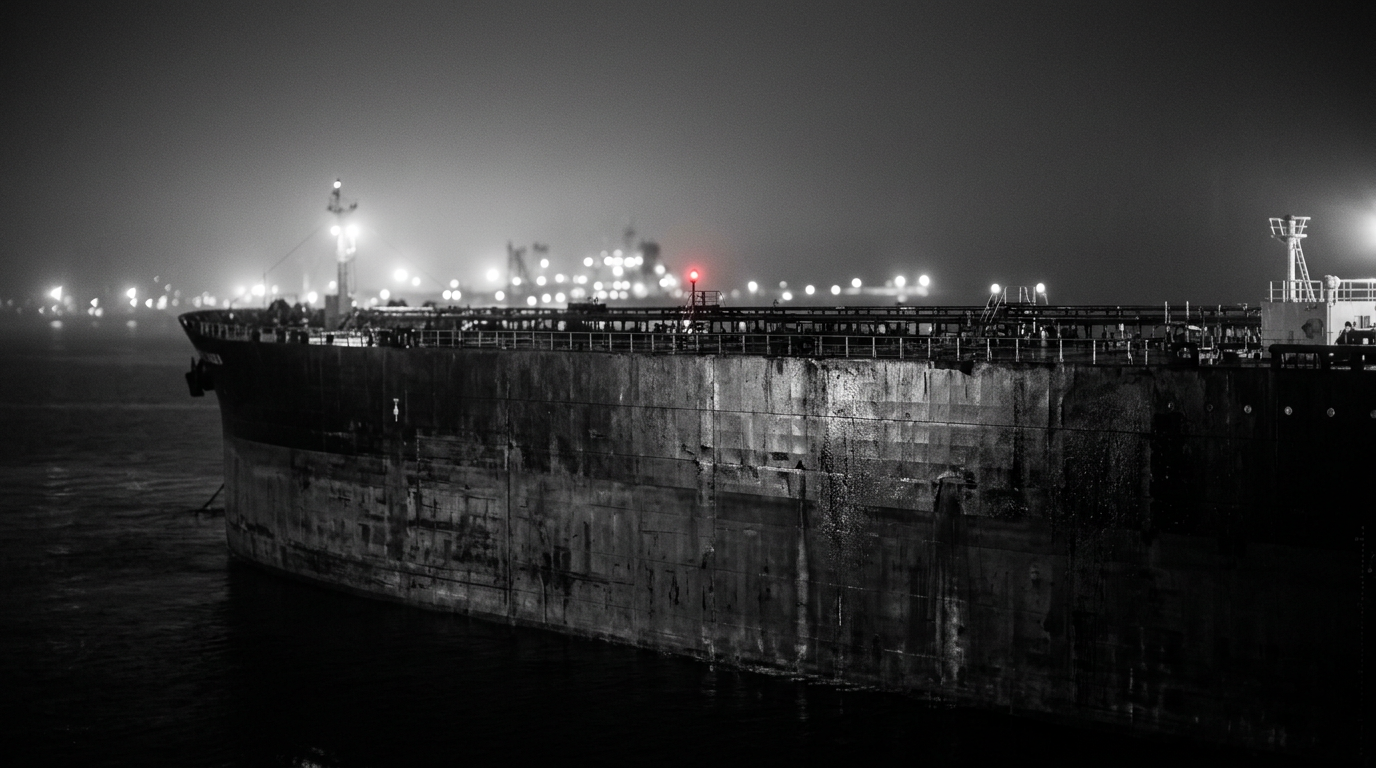
President Trump warned Iran after reported attacks on US forces and two Saudi oil tankers as crude traded above $92 a barrel. The threat puts Gulf security back at the center of US energy policy before a politically sensitive midterm season.
The reported attacks targeted American forces in Jordan and the UAE, according to the report. It did not identify casualties or provide operational details, leaving the scale of the military damage unclear.
Two Saudi tankers struck
Two supertankers carrying Saudi crude were hit on Monday, according to the report, adding a shipping incident to a military exchange already involving US personnel. The vessels' size matters: supertankers are used for long-haul crude movements, so even limited disruption can force traders to reassess Gulf routes.
Oil prices rose above $92 a barrel on Tuesday following the reported tanker strikes. That level gives the White House an economic problem alongside the security one, since crude costs feed into fuel markets watched closely by households and campaigns.
Hormuz safety claim tested
The Strait of Hormuz is the narrow outlet for much of the Gulf's seaborne oil trade, which makes claims about control and navigation politically consequential. Trump has repeatedly said the waterway is under US control and safe for ships, but the reported tanker strikes cut against that message.
The political problem is domestic as well as military. The report said high gasoline costs are weighing on Republican prospects in the midterm elections, giving the White House an incentive to seek lower pump prices even as it signals possible force.
Oil chiefs visit White House
Trump is scheduled to host oil executives at the White House later Tuesday as his administration searches for ways to lower gasoline prices. The meeting puts producers inside a policy fight shaped by supply security, shipping risk and the administration's public claim that Gulf routes remain safe.
For oil companies, the immediate business question is whether Washington asks for more supply, logistical help or public backing for its Gulf position. For refiners and fuel retailers, any sustained rise in crude tends to feed into wholesale gasoline costs with a lag, although local taxes, inventories and refining margins affect the pass-through.
Six months of Gulf pressure
The report described the latest threats as a possible return to the retaliatory pattern that has kept the Gulf under pressure for six months. That sequence matters for shipping insurers and charterers, which typically price regional danger into freight, coverage and routing decisions.
US officials privately see no clean exit from the conflict, according to the report. If that assessment holds, the strike threat and the energy-price meeting belong to the same policy problem: how to deter attacks without adding to the cost of oil.
Three paths from here
If the tanker attacks remain isolated and no US strike follows, the global macro effect would probably run through a risk premium in crude rather than a physical supply shock. In that case, the White House could use the oil-executive meeting to press for price relief while the broader energy industry manages insurance and freight costs.
If Washington carries out limited retaliation, the macro channel would be higher uncertainty around Gulf exports and consumer fuel prices. The administration would face the central political trade-off in the report: projecting deterrence abroad while trying to contain pump prices at home.
If attacks spread to more vessels or bases, the mechanism becomes wider disruption: traders would track shipping availability, insurers would reprice risk and governments would look at reserves or diplomatic channels. The main open questions are whether Iran continues targeting US-linked assets and whether Hormuz traffic remains commercially viable under repeated strikes.