

India’s Gulf oil imports overtake Russia at 2.1m b/d
Kpler data point to a recovery in Hormuz traffic, challenging Russia’s recent dominance as Indian refiners return to traditional Gulf suppliers.
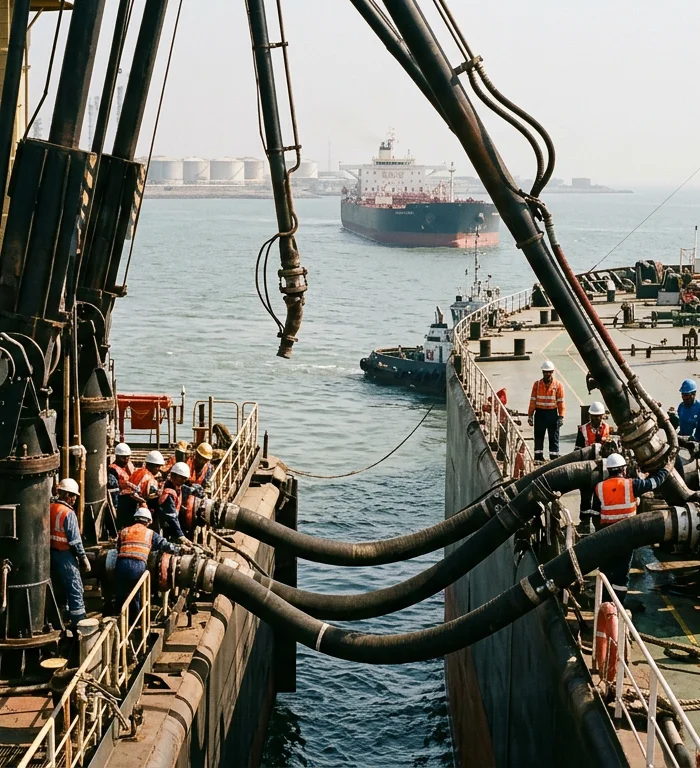
Kpler tanker-tracking data reported by Business Standard on Nov. 12 showed India’s Gulf crude imports at 2.1 million barrels a day so far in November, above Russia’s 1.8 million barrels a day.
The shift matters because Hormuz flows to India had fallen to 247,000 barrels a day in April from 2.8 million barrels a day in February, after attacks on ships disrupted the route during the U.S.-Iran war.
The latest figures mark the first time since the start of that conflict that India has received more crude from the Persian Gulf than from Russia. The Strait of Hormuz is the narrow waterway connecting Gulf producers with global markets and a central route for Indian refiners.
Business Standard, carrying a Bloomberg report, said tanker shuttle operations have helped restore traffic through Hormuz. Atlas360 reported on Nov. 11 that the waterway normally handles about one-fifth of global oil, making sustained disruption a material risk for energy buyers.
Gulf exporters are now closer to pre-war levels. Combined shipments from Saudi Arabia, the United Arab Emirates, Iraq and Kuwait reached 15.53 million barrels a day in October, roughly matching levels seen at the start of 2026, the report said.
Russia remains India’s biggest oil supplier, but its exports have weakened. Bloomberg-compiled tanker data showed Russian overseas shipments fell by 40,000 barrels a day to 3.63 million barrels a day in the four weeks through Nov. 8.
The report linked the decline in Russian flows partly to continued Ukrainian strikes on Russian energy infrastructure. It also said Russia had filled part of the gap when West Asian cargoes shrank earlier in the year.
Price and logistics are also changing the balance. The report said West Asian producers are offering competitive prices and using transfers outside Hormuz, while Russian crude has become costlier because voyages are longer and freight rates are higher.
Source: Business Standard article carrying Bloomberg report, Nov. 12, 2026
More stories
- Trump prepares tariffs on China and other major exporters
- Banks face ECB reserve debate over liquidity and profits
- Investors see Anthropic debut gains fade below $83 a share
- Iraq orders federal control over Kurdish-area oilfields
- Nvidia shares retreat as AI rally cools before PCE data
- Nvidia board gets Trump input on Jensen Huang return as CEO
- EU household power prices fall 1.6% in first half
- KBC posts higher profit with 7% loan growth
- Housing borrowing costs top 7% as US sales hit 12-year low
- Bondholders seek more as Treasury yields climb this year