India weighs three theatre commands to speed response to China, Pakistan
India’s CDS will present a plan to integrate the Army, Navy, and Air Force into three theatre commands to counter threats from China and Pakistan.
Mei Lin ·
# India weighs three theatre commands to speed response to China, Pakistan
India’s Chief of Defence Staff (CDS) is expected to present a plan to merge the Army, Navy and Air Force into three integrated theatre commands, according to a report by Zee News. The proposal would mark one of the most far-reaching reorganisations of India’s military command structure in decades, designed to shorten decision cycles during crises on two fronts.
Pakistan India
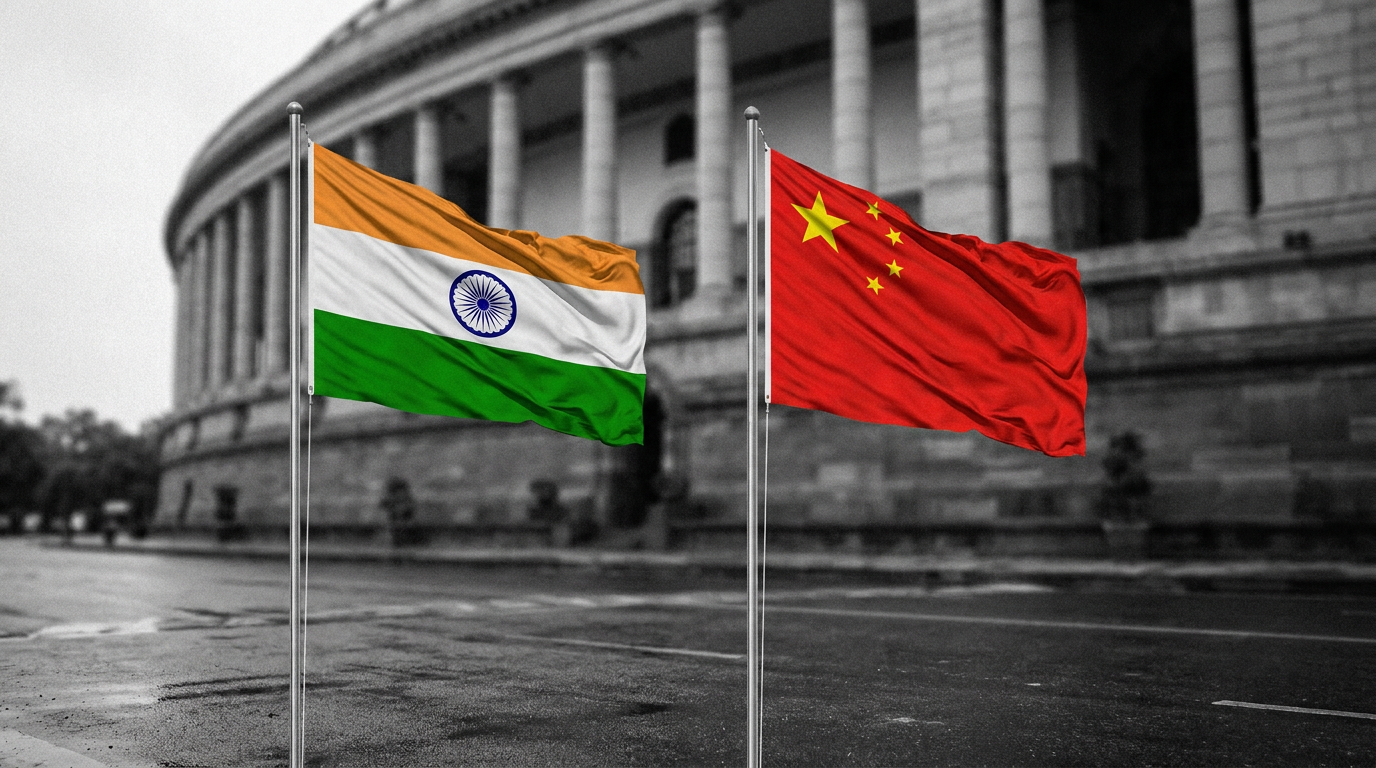
The report frames the plan as a response to India’s security environment: a live, high-altitude standoff with China along the Line of Actual Control and persistent tensions with Pakistan across the Line of Control. For India’s political leadership, theatreisation is being sold as an answer to a basic operational problem: the services fight jointly in war, but plan and command largely separately in peace.
Theatre commands are a model used by several major militaries to integrate land, air and naval assets under a single operational commander for a defined geography or mission. In the United States, for example, unified combatant commands were built to coordinate joint operations across regions and domains, reducing inter-service friction when time is tight.
India’s armed forces have historically run through service-specific command chains, with the Army, Navy and Air Force maintaining their own operational commands and planning processes. The CDS role, created to improve tri-service coordination and prioritise joint capability development, has been central to pushing this agenda; the Zee News report says the new CDS is preparing to present a finalised blueprint for three integrated theatre commands.
If India moves from parallel service commands to If India moves from parallel service commands to theatre commands with real authority over assets, the change would reshape how quickly New Delhi can mass force in a crisis, especially if pressure builds simultaneously in the Himalayas and the Indian Ocean. Faster joint targeting, common logistics, and unified planning could improve deterrence by making India’s responses less predictable and more scalable.
The spillover goes beyond India’s borders. A more integrated Indian force posture could affect Indo-Pacific calculations for partners and competitors alike, including maritime security in the Indian Ocean, the tempo of border crisis management with China, and the risk of miscalculation with Pakistan. It also intersects with supply-chain security and trade routes: any shift that reduces crisis duration or improves escalation control can lower the chance that shipping, insurance costs, and regional investment sentiment become collateral damage.
Look for an official government announcement, defence ministry release, or on-the-record briefing that confirms (1) the number and names of theatre commands, (2) which service assets will be placed under them, and (3) an implementation timeline by 2024-08-31. If those details arrive with clear tasking and deadlines, it would support the thesis that India intends swift, decisive reform; if they do not, or if subsequent reporting points to extended delays and unresolved inter-service disputes over air power, budgets, and command authority, it would signal that bureaucratic resistance is still likely to blunt the overhaul.