

India intensifies critical minerals search as Gulf funds face competition
New Delhi has signed 15 international mineral agreements since January 2025, challenging Gulf sovereign wealth funds for global mining assets.
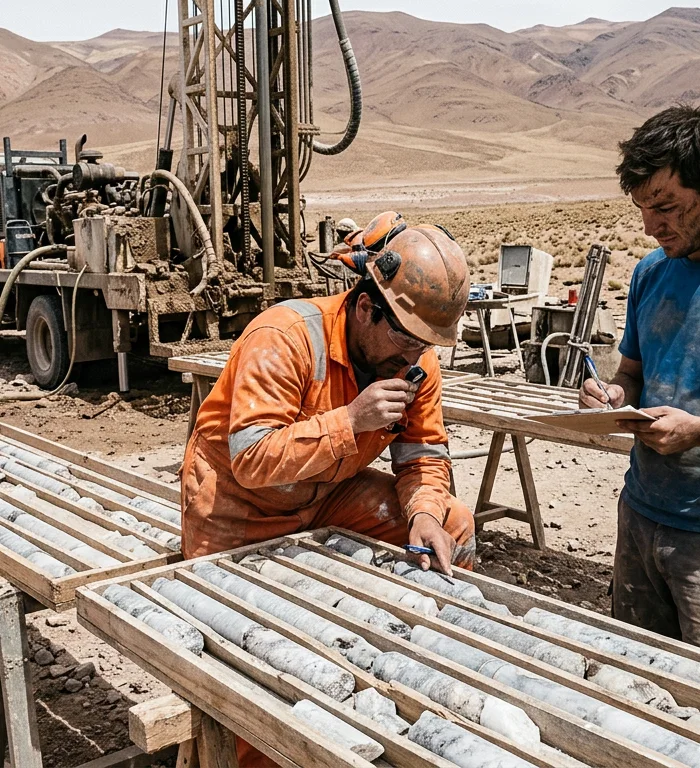
India pursues strategic resource expansion
India has accelerated its push for critical mineral security, signing 15 international agreements since January 2025. Data from Climate Action Live indicates New Delhi trails only the United States in the pace of securing global partnerships, as it attempts to bypass supply chain dependencies for lithium, cobalt, and rare earth elements essential to its energy transition.
The acceleration aligns with the launch of the National Critical Mineral Mission, approved in January 2025. The program, spanning fiscal years 2025 through 2031, earmarks Rs 16,300 crore in government spending to overhaul the domestic value chain, while directing public sector undertakings to secure 26 foreign mining assets.
GCC investment strategies shift
As India targets upstream mining assets in Latin America and Africa, it enters a landscape increasingly occupied by Gulf sovereign wealth funds. Entities such as Saudi Arabia’s Manara Minerals have pivoted from pure energy exports toward establishing the Gulf as a global processing hub, creating a collision course between New Delhi’s state-driven acquisition mandate and the capital-heavy, portfolio-focused strategy of Gulf-based investment boards.
The tension lies in the primary objective of each actor. Indian state firms, led by Khanij Bidesh India Ltd (KABIL), prioritize the physical delivery of resources to support domestic manufacturing of electric vehicles and semiconductors. Conversely, Gulf funds often view mining assets as high-margin financial holdings intended to diversify oil-dependent sovereign portfolios.
Global resource competition intensifies
This race for upstream access carries implications for global shipping and supply stability. Competition for lithium and copper blocks in regions such as the Catamarca province in Argentina could increase cost volatility for industrial players in both the subcontinent and the Middle East.
If New Delhi succeeds in locking in long-term supply contracts, the bargaining power of Gulf processing hubs may be restricted. Should Gulf funds prioritize downstream refining over direct upstream acquisition, India may find an open path to securing mining assets, albeit at higher premiums due to the presence of well-capitalized Middle Eastern competitors.
Market dynamics to monitor
Observers are closely tracking the potential for collaborative or conflicting bids between Indian PSUs and Gulf-backed mining entities in African lithium and copper jurisdictions. A measurable spike in competitive bidding or the failure of specific joint venture attempts by September 30, 2025, would signal an intensification of this regional rivalry for control over the global battery and EV metal supply chain.
More stories
- Germans oppose Ukraine aid as poll shows support slipping
- Kim Jong-un receives 10 envoys after constitutional shift
- Ukraine claims Libya strike sinks Russian naval corvette
- COP31 climate talks collapse over fossil fuels and funds
- Russian military faces 1,087 recorded suicides in Ukraine war
- US faces China, Russia in Africa minerals contest
- Bundeswehr faces misconduct gap as few as one-sixth reported
- Megaspeed’s 2024 affiliate filings widen Nvidia chip scrutiny
- Economists see Bank of Japan rate at 1.50% in December
- Sarandos seeks Netflix reset around television and films
Latest news
- Trump prepares tariffs on China and other major exporters
- New-car buyers pay record average $50,087 in October
- Banks face ECB reserve debate over liquidity and profits
- Investors see Anthropic debut gains fade below $83 a share
- Iraq orders federal control over Kurdish-area oilfields
- Nvidia shares retreat as AI rally cools before PCE data
- Macy’s parade faces balloon limits as storm winds approach