Huckabee opinion revives faith-and-alliance case for US–Israel ties
Mike Huckabee argues that shared faith and freedom link the US and Israel as America nears its 250th anniversary in this insightful opinion piece.
Omar Farouk ·
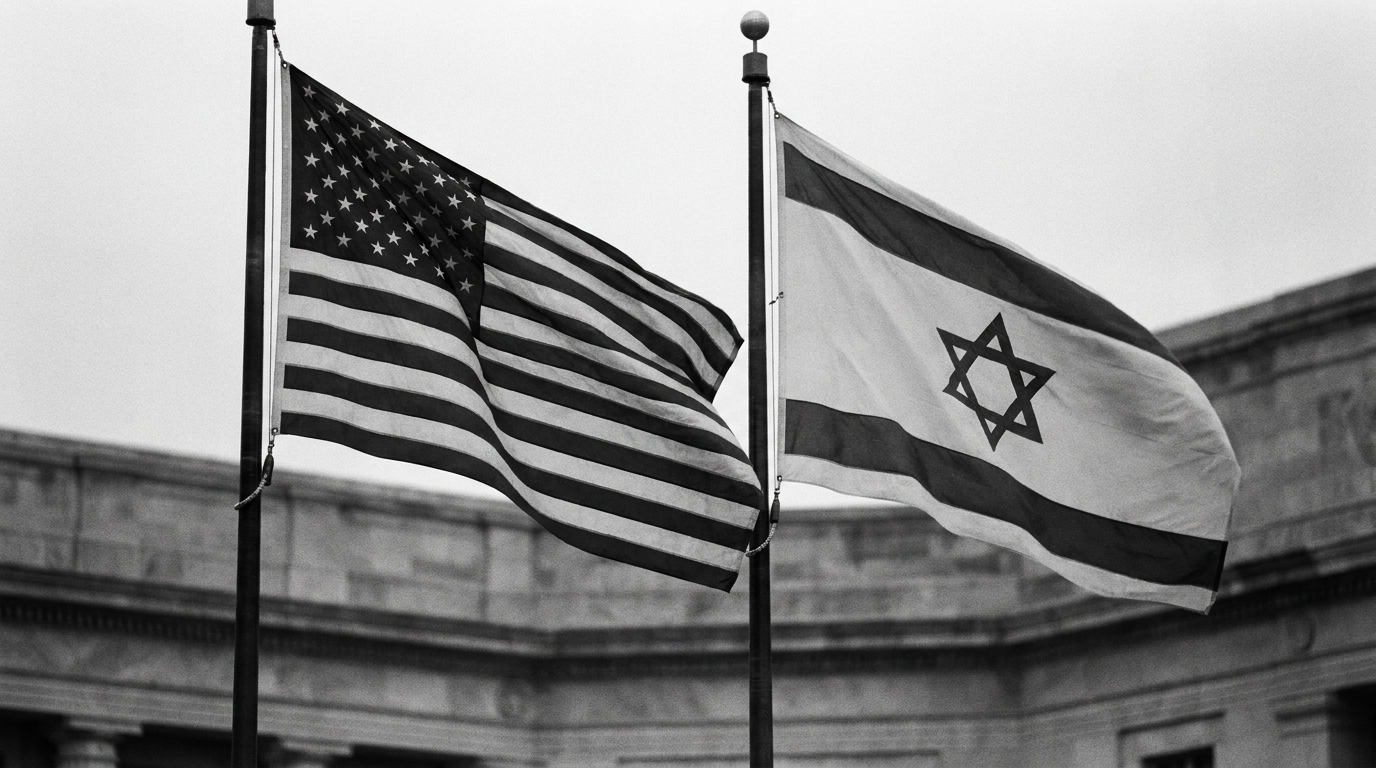
# Huckabee opinion revives faith-and-alliance case for US–Israel ties
Former Arkansas governor Mike Huckabee used a new opinion column to frame the US–Israel relationship as a product of “faith and freedom,” arguing the two countries are bound by common values as the United States approaches its 250th year. The piece is not tied to a discrete decision by a regional government or a fresh military or energy development; it is a values-based intervention into a debate that remains politically live across the region.
US–Israel relations are anchored in long-running security
US–Israel relations are anchored in long-running security, diplomatic, and domestic political dynamics, and are repeatedly re-litigated through speeches, congressional debates, campaign messaging, and commentary. Opinion essays like Huckabee’s typically aim to influence how US audiences interpret the alliance, even when no new bilateral announcement is on the table.
In the Middle East, the alliance sits alongside multiple competing frameworks: Israel’s security posture and its relations with neighbors; Iran’s regional strategy, often associated with the Islamic Revolutionary Guard Corps (IRGC); and shifting Arab alignment since the Abraham Accords, which normalized relations between Israel and several Arab states. These debates also intersect with the legacy of the Joint Comprehensive Plan of Action (JCPOA), the 2015 nuclear agreement with Iran, which remains a recurring fault line in US–regional diplomacy.
Even “evergreen” arguments about shared values can matter because they shape the political room for maneuver in Washington and, indirectly, the signals regional actors think they are receiving. When the US domestic conversation frames the relationship as identity-based and non-negotiable, that can harden expectations about US diplomatic bandwidth on issues ranging from ceasefire efforts to normalization and security guarantees.
Former Arkansas
The spillover is not only political. Regional tensions touch global markets through energy and trade routes, especially chokepoints such as the Strait of Hormuz and Bab al-Mandab. Narratives that strengthen or weaken perceived US commitment can influence deterrence calculations, which in turn can affect shipping risk perceptions and insurance costs even before any formal policy shift occurs.
By 2026-07-31, watch for any concrete, falsifiable US political or diplomatic follow-through that converts the rhetoric into action, such as a named congressional initiative, an administration statement, or a specific bilateral program announcement that explicitly cites the “faith and freedom” framing. If such actions appear, it would indicate the argument is gaining operational traction beyond commentary; if they do not, it suggests the piece is functioning primarily as domestic persuasion rather than a signal of near-term policy movement.