

Systemic Vulnerabilities in Critical Infrastructure Raise Operational Risk Concerns
Recent infrastructure outages reveal systemic risks caused by aging legacy systems and the rapid, untested deployment of new automated technologies.
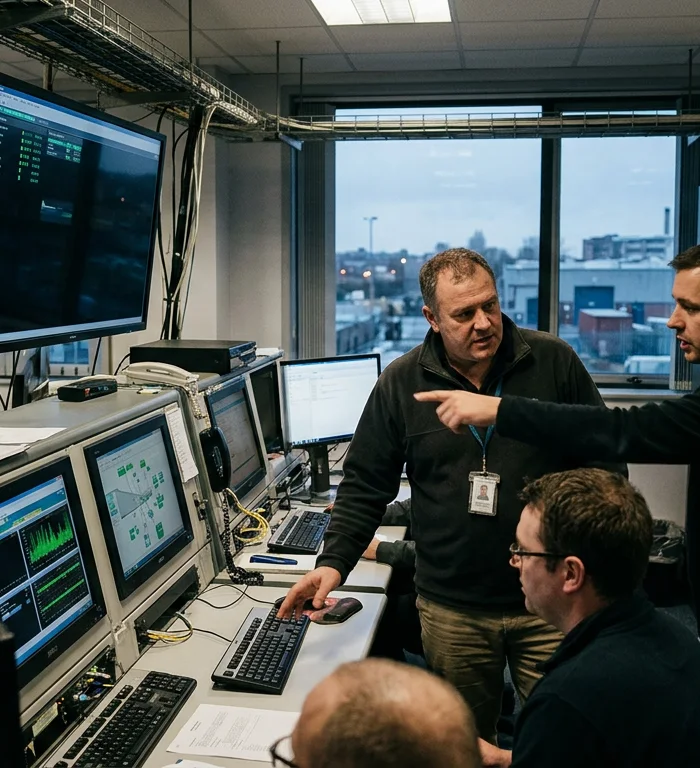
Recent widespread disruptions across aviation, banking, and digital service sectors have intensified scrutiny regarding the stability of critical infrastructure. While official explanations for these outages often cite localized technical failures—such as faulty hardware or dormant software bugs—industry analysts suggest these incidents reflect deeper systemic fragility. The reliance on aging, legacy architecture combined with the rapid, large-scale deployment of new automated systems creates significant operational risk.
In the aviation sector, concerns persist that the modernization of air traffic control systems is being executed without adequate stress testing. Analysts argue that the simultaneous nationwide rollout of AI-assisted administrative tools can overwhelm telecommunications networks, potentially degrading the quality of essential radar and voice data. This creates a scenario where safety protocols necessitate a total system shutdown to prevent data corruption, effectively halting operations to maintain flight safety standards.
Institutional governance is also under pressure as stakeholders question the transparency of incident reporting. There is growing skepticism regarding official narratives that attribute major network failures to single points of hardware failure, such as individual routers. Experts suggest that these explanations may be used to obscure broader failures in software integration or the unintended consequences of deploying complex, automated systems at scale.
Financial and security professionals should monitor the risks associated with the integration of AI and automated decision-making into legacy environments. The primary threat to institutional continuity is not necessarily malicious intrusion, but rather the failure to account for the complexity of interconnected systems during modernization efforts. Organizations are advised to prioritize rigorous, phased testing protocols and to maintain robust contingency plans that do not rely on the assumption of seamless automated performance.
More stories
- Europe faces attribution gap after 16 cyber, physical incidents
- PIF backs Grand Theft Auto as Saudi players embrace game
- Signal limits screenshots to curb AI access to messages
- Cognition runs Devin Mac workspaces on EC2 in 6 AWS regions
- Salesforce engineers cut 600-failure triage to 90 minutes
- Türkiye Desk: GTA 6 puts console access and network demand in focus
- EU Kids Act targets under-13s on social media
- Meta Platforms rejects AI slowdown backed by top rivals
Latest news
- Trump prepares tariffs on China and other major exporters
- New-car buyers pay record average $50,087 in October
- Banks face ECB reserve debate over liquidity and profits
- Investors see Anthropic debut gains fade below $83 a share
- Iraq orders federal control over Kurdish-area oilfields
- Germans oppose Ukraine aid as poll shows support slipping
- Kim Jong-un receives 10 envoys after constitutional shift
- Ukraine claims Libya strike sinks Russian naval corvette