

Security Restrictions Threaten Vaccination Access for 350,000 Children in Taiz
Security restrictions and ongoing hostilities in Taiz have blocked vaccination access for 350,000 children, exacerbating a humanitarian crisis that has…
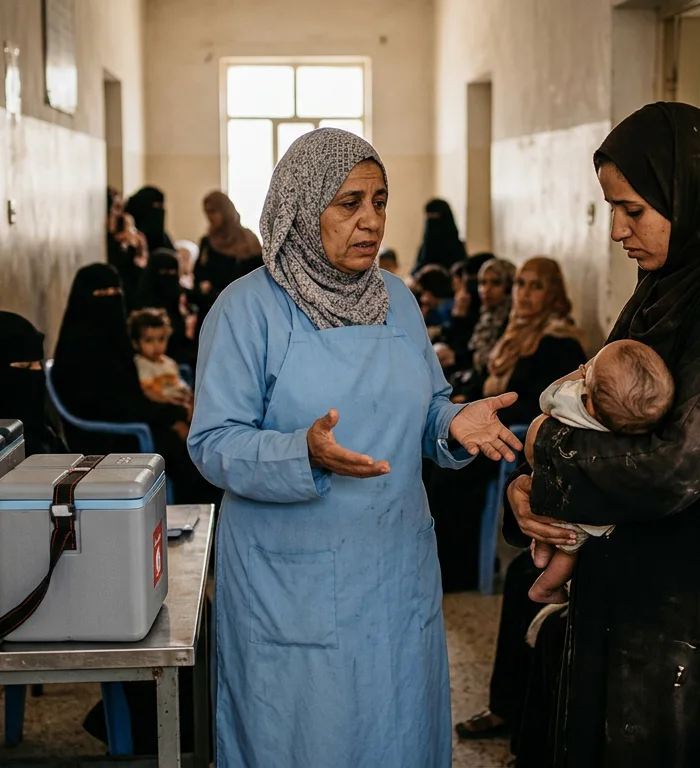
Ongoing military hostilities and access restrictions in Yemen’s Taiz governorate have prevented the delivery of essential vaccines to approximately 350,000 children. These logistical barriers have effectively halted a national measles and rubella immunization campaign in the region, while an additional 30,000 infants remain at risk of missing routine health services. Although international health agencies possess the necessary medical supplies, security conditions currently preclude the distribution of these resources to the affected population.
The humanitarian crisis has intensified following a military escalation that began in August, resulting in the displacement of over 364,000 people nationwide. Taiz currently hosts the largest concentration of displaced persons, with more than 145,000 individuals placing significant strain on local health infrastructure and food supplies. While humanitarian partners have reached approximately 70% of the displaced population with aid, 30% remain inaccessible due to persistent insecurity.
Civilian safety remains a primary concern, with 323 casualties recorded since August, including 76 deaths. Children represent over one-third of total casualties and 50% of fatalities. Road closures and movement restrictions continue to impede the flow of both humanitarian aid and commercial goods into Taiz, often limiting access to only a few hours per day. These disruptions exacerbate the vulnerability of the local population by restricting access to sanitation, food, and medical facilities.
While humanitarian efforts have successfully delivered emergency medical supplies to other regions, such as Marib, the situation in Taiz remains critical. International observers continue to call for the immediate lifting of movement restrictions to ensure the protection of civilians and the restoration of essential healthcare services. Future stability in the region remains contingent upon the establishment of safe, unhindered access corridors for humanitarian personnel and the cessation of hostilities affecting civilian infrastructure.
More stories
- Nigeria's family-planning budget falls 97%
- Peter Attia reviews cold therapy claims on longevity
- Dietitians advise small swaps for plant-based eating
- TikTok dementia videos mislead in 66.4% of sample, researchers say
- Aberdeen Royal Infirmary faces police inquiry call over 19 deaths
- Bariatric surgery group loses 28.2% after GLP-1 use
- Brain shows recovery signals after reduced drinking
- Measles outbreak moves Kennedy toward vaccine message shift
Latest news
- Duterte faces ICC trial over 85 alleged murders, 2 attempts
- Norse Atlantic suspends flights in urgent rescue funding bid
- Bardella denies antisemitism claims over teenage messages
- Retailers rethink Black Friday as discount fatigue grows
- Japan data centers face lawsuits over residential sites
- S&P puts Nvidia credit rating on watch over board concerns
- Musk pledges two SpaceX shares per child in new US giveaway
- Washington targets China in new tariff push on trade ties