Measles outbreak moves Kennedy toward vaccine message shift
Health Secretary Robert F. Kennedy Jr. urged measles vaccination as U.S. cases reached 2,371, testing his vaccine record.
Amina Diallo ·
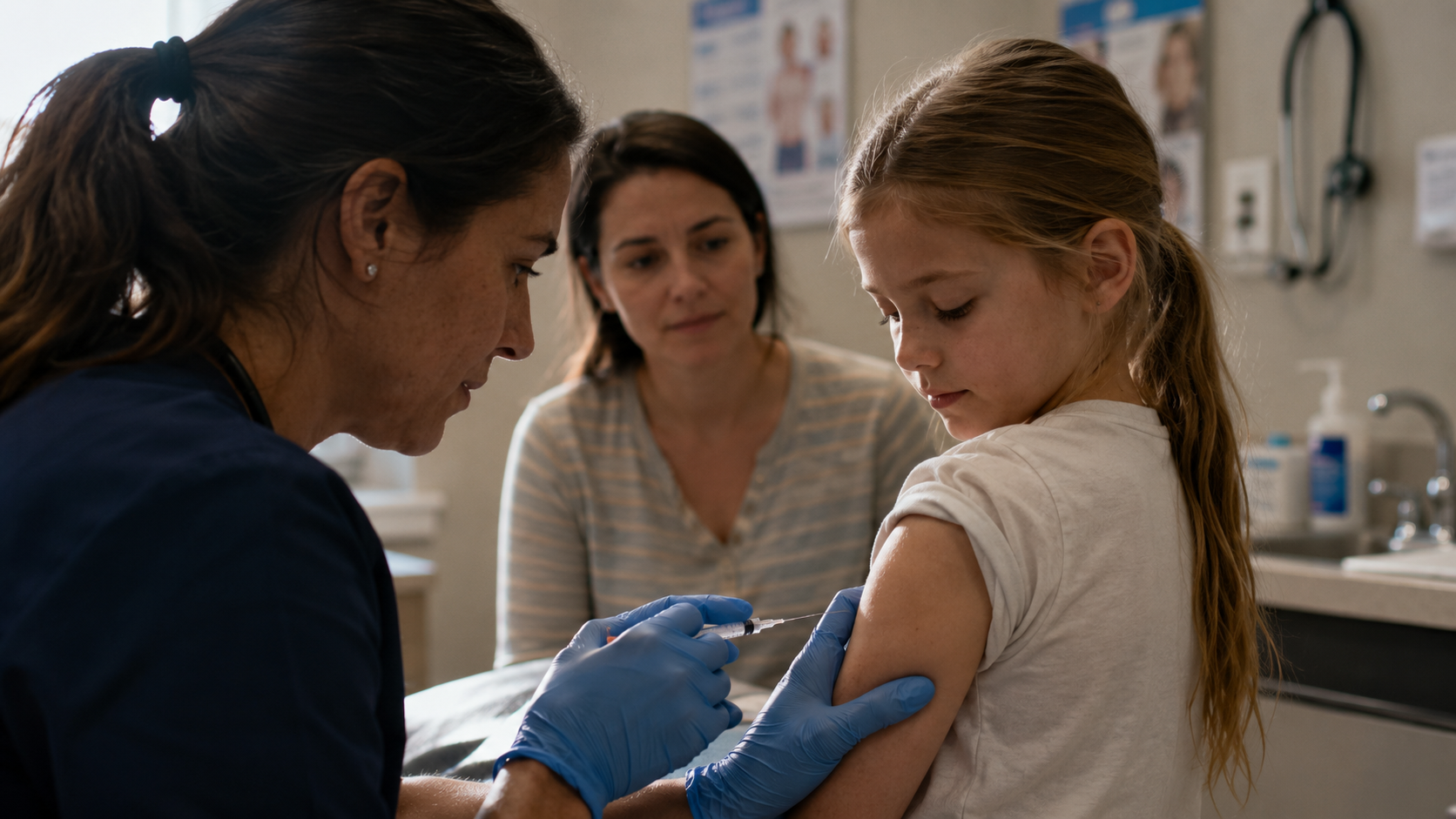
The measles outbreak has pushed Health Secretary Robert F. Kennedy Jr. to urge childhood vaccination after 2,371 confirmed U.S. cases.
Kennedy encouraged parents to have their children vaccinated against measles as the country faced its worst outbreak in decades. The appeal matters because it came from an official long associated with skepticism toward vaccines, including the measles, mumps and rubella shot.
The reported case count has already exceeded the total recorded in 2025. Taken together, the current year and 2025 have produced more infections than the rest of the 21st century combined, according to the tally cited in the source material.
Kennedy changes his public message
The shift came during a tense television interview in which Kennedy defended his position on the MMR vaccine. “I’ve never questioned the efficacy of the MMR vaccine,” he said.
That statement sits uneasily beside his recent record as described in the source material. Kennedy has sought to reduce childhood vaccination schedules and, as recently as November, suggested that the MMR vaccine could cause autism, a claim the source described as unsupported by evidence.
The contrast is politically important because health secretaries are expected to give clear public guidance during infectious disease outbreaks. Mixed signals can complicate the work of doctors, schools and local health departments trying to raise vaccination coverage quickly.
Cases put pressure on vaccination policy
Measles is especially sensitive for public-health agencies because outbreaks can grow quickly when vaccination rates fall or immunity gaps appear. The source did not provide state-by-state figures, hospitalization numbers or vaccination-rate data, so the geographic and clinical shape of the outbreak cannot be assessed from the supplied information alone.
Even with those gaps, the national scale is clear. A confirmed total of 2,371 cases means the outbreak has moved beyond a routine flare-up and into a test of federal messaging, local containment and public confidence in childhood immunization.
For Kennedy, the immediate challenge is credibility. If parents hear a firm endorsement of vaccination from the Health Secretary, local campaigns may gain a stronger federal signal; if his past statements remain the focus, public-health officials may have to spend more time clarifying the government’s position.
MMR message reaches schools and clinics
The direct effects are likely to be felt first in pediatric offices, school systems and local health departments. Parents seeking guidance will now see Kennedy’s vaccination appeal alongside his earlier comments about childhood schedules and the autism claim.
The wider health sector has a narrower task: convert a national warning into practical decisions. That can include appointment reminders, school-entry compliance checks and clear explanations of why the MMR vaccine is used to prevent measles outbreaks.
For vaccine manufacturers and healthcare providers, demand may rise where outbreak risk changes parental behavior. The source did not identify any company at the center of the story, so the company-level effect cannot be tied to a named manufacturer without additional verified information.
Three paths for the outbreak
If Kennedy’s current message holds and parents respond by increasing vaccination, the macro effect would be lower pressure on public-health systems and fewer disruptions tied to school or community exposure. Kennedy would gain room to present himself as aligned with outbreak control, while the vaccine sector would likely see stronger short-term demand in affected areas.
If his previous skepticism continues to dominate the public debate, the mechanism changes. Confusion could slow vaccination decisions, prolong containment work and keep pressure on clinics and local agencies; Kennedy would face sharper questions over consistency, while the immunization sector would need to counter misinformation more directly.
If case counts continue to rise despite the federal appeal, the story shifts from messaging to execution. The open questions are whether vaccination uptake improves, where infections are concentrated and whether federal guidance becomes more forceful as the outbreak develops.