

Third-Party Data Breach Exposes 27,000 Hardware Wallet Customer Records
A shipping partner data breach has exposed the personal information of 27,000 hardware wallet customers, prompting the manufacturer to tighten data retention…
A security breach at a third-party shipping partner, Skladon, has resulted in the unauthorized exposure of personal data belonging to approximately 27,000 customers of hardware wallet manufacturer Trezor. The compromised information includes full names, telephone numbers, delivery addresses, email addresses, purchase dates, and specific product details. The intrusion occurred on November 7, 2026, but was not disclosed to the manufacturer until November 15, 2026.
While the manufacturer confirmed that its internal infrastructure, recovery phrases, and private keys remain secure, the exposure of physical delivery data creates significant risks for affected users. The leaked information facilitates targeted phishing campaigns and potential physical security threats, as malicious actors can now correlate specific individuals with the ownership of cryptocurrency hardware. Some customers have already reported receiving suspicious communications following the incident.
This event marks the latest in a series of data security incidents involving the manufacturer’s third-party service providers, including previous breaches at a shipping firm and an email service provider. The recurring nature of these exposures highlights systemic vulnerabilities in the supply chain of self-custody hardware providers, where physical shipping records remain a point of failure despite the security of the digital assets themselves.
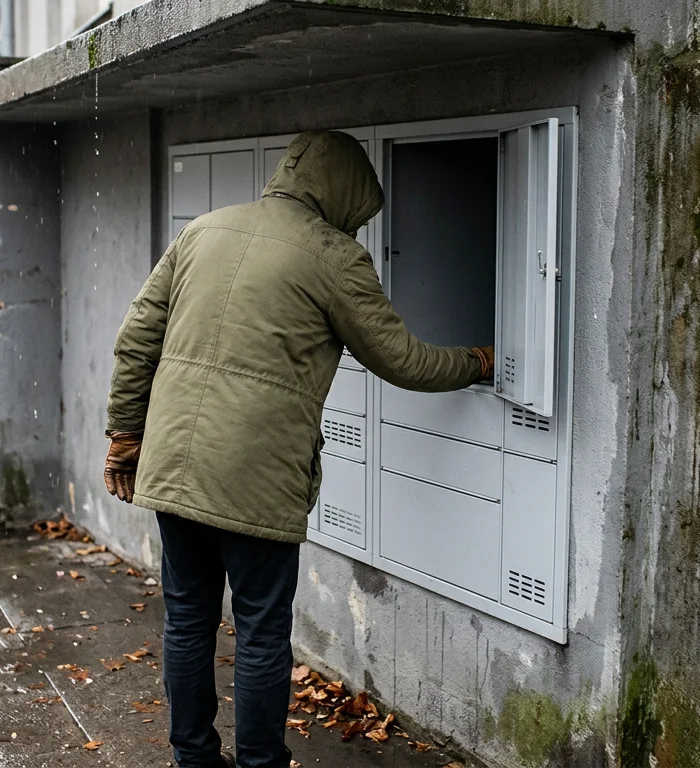
In response to the breach, the manufacturer is implementing stricter data governance policies, including reducing customer data retention periods from 90 days to 45 days. Furthermore, the company is expanding an "Anonymous Pickup" service across 18 European countries, which allows customers to receive products at designated lockers using aliases, thereby bypassing the need to provide residential addresses or telephone numbers. The company has notified relevant data protection authorities and is currently conducting an internal investigation into the full scope of the exposure.
More stories
- Europe faces attribution gap after 16 cyber, physical incidents
- PIF backs Grand Theft Auto as Saudi players embrace game
- Signal limits screenshots to curb AI access to messages
- Cognition runs Devin Mac workspaces on EC2 in 6 AWS regions
- Salesforce engineers cut 600-failure triage to 90 minutes
- Türkiye Desk: GTA 6 puts console access and network demand in focus
- Microsoft plans Project Helix as Xbox console for PC games
- OpenAI buys travel startup Odessia
- Nvidia open-source AI push draws security heavyweights today
- SpaceX Falcon 9 carries 24 Starlink satellites to orbit
Latest news
- Trump prepares tariffs on China and other major exporters
- New-car buyers pay record average $50,087 in October
- Banks face ECB reserve debate over liquidity and profits
- Investors see Anthropic debut gains fade below $83 a share
- Iraq orders federal control over Kurdish-area oilfields
- Germans oppose Ukraine aid as poll shows support slipping
- Kim Jong-un receives 10 envoys after constitutional shift
- Ukraine claims Libya strike sinks Russian naval corvette