Gulf states face Iran threats as strikes hit region hard
Iran and the US traded fresh strikes as Pakistan pursued mediation and Tehran freed dual citizen Dena Karari, leaving diplomacy narrowly alive.
Atlas Newsdesk ·
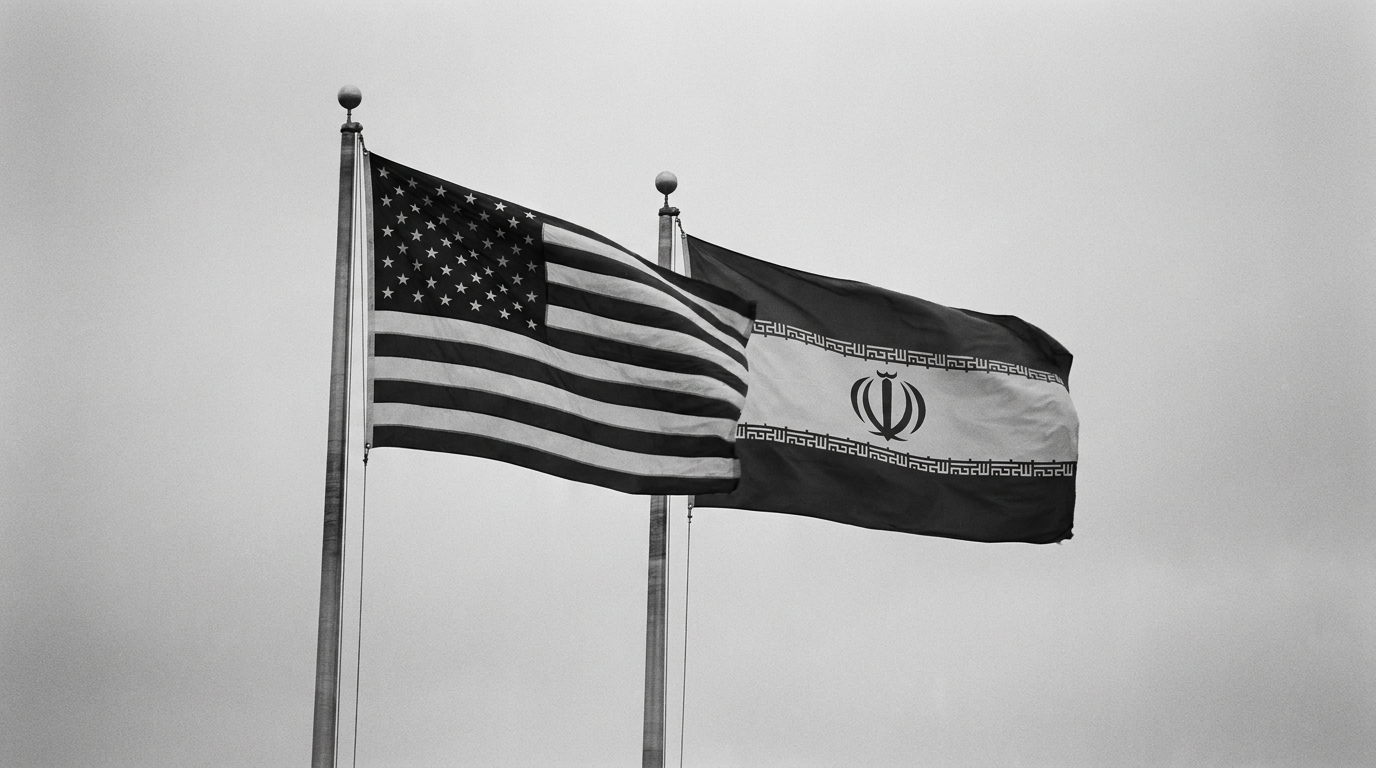
Iran's clash with the US widened around the Gulf, even as Tehran freed Dena Karari and Pakistan kept open a mediation channel.
The competing signals left the conflict in a dangerous middle ground: military action continued, but neither side fully closed the door to talks. US President Donald Trump welcomed Karari's release as a "gesture of goodwill," according to the account provided.
Karari release tests diplomacy
Dena Karari, described as a dual US-Iranian citizen, was released by Tehran while the two countries were still exchanging strikes. The timing gave the move diplomatic weight, even though the source material did not state whether it was tied to a broader negotiation.
Pakistan has kept pressing for a mediator role, giving both sides a channel that does not require direct public concessions. That matters because Tehran's public posture shifted within the same day from resistance to talks toward a more flexible justification for discussion.
An Iranian government spokesman said Wednesday that the Islamic Republic had no plans to restart talks. Later, Iran's chief negotiator framed discussions as a way to defend national interests, not as a surrender of policy positions.
Gulf targets widen the risk
The fighting also moved across sensitive military and maritime points. The account says the US struck an Iranian army barracks, hit a tanker sailing toward Kharg Island and bombed Greater Tunb, an island held by Iran and claimed by the UAE near the Strait of Hormuz.
Greater Tunb raises the regional stakes because the dispute over the island already carries sovereignty claims beyond Washington and Tehran. Any attack there risks pulling Gulf security politics into what began as a direct US-Iran confrontation.
The account also says Donald Trump was briefed on options that included using ground forces to seize islands. That claim is consequential but remains an option described in the source material, not a confirmed decision or operation.
Iran, for its part, fired at Bahrain, Jordan and Kuwait, according to the same account. Tehran also threatened infrastructure around the Gulf and warned that control of the Strait of Hormuz was an "invincible red line."
Hormuz threat sets scenarios
The Strait of Hormuz is the pressure point running through the entire confrontation. The source did not provide oil-flow data, tanker damage details or market prices, so the immediate economic scale cannot be verified from the material supplied.
If Pakistan's channel and Karari's release lead to renewed contact, the global effect would come through lower perceived risk around Gulf shipping routes. For Iran, that path would preserve a diplomatic exit while letting officials present talks as protection of national interests; for the wider energy and shipping sectors, it would reduce the urgency of contingency planning.
If strikes continue and Gulf infrastructure threats become more concrete, the mechanism changes. Global risk would rise through fears of disrupted maritime movement; Iran would face higher military and economic pressure; regional energy, insurance and logistics operators would have to price in a longer security crisis.
A third path would open if island seizure options moved from briefing material to action. That would sharpen global concern over escalation near Hormuz, harden Iran's negotiating incentives and force Gulf governments into closer security coordination around disputed territory.
The key uncertainty is whether the diplomatic signals are tactical pauses or the start of a real channel. Karari's release, Pakistan's mediation effort and Tehran's mixed comments on talks now carry more weight because each sits against an expanding military map.