Philippines growth targets lowered as risks mount to 2030
Philippines growth targets were reduced in a new budget memo that also projects a weaker peso beyond 2028 amid conflict and El Niño risks.
Atlas Newsdesk ·
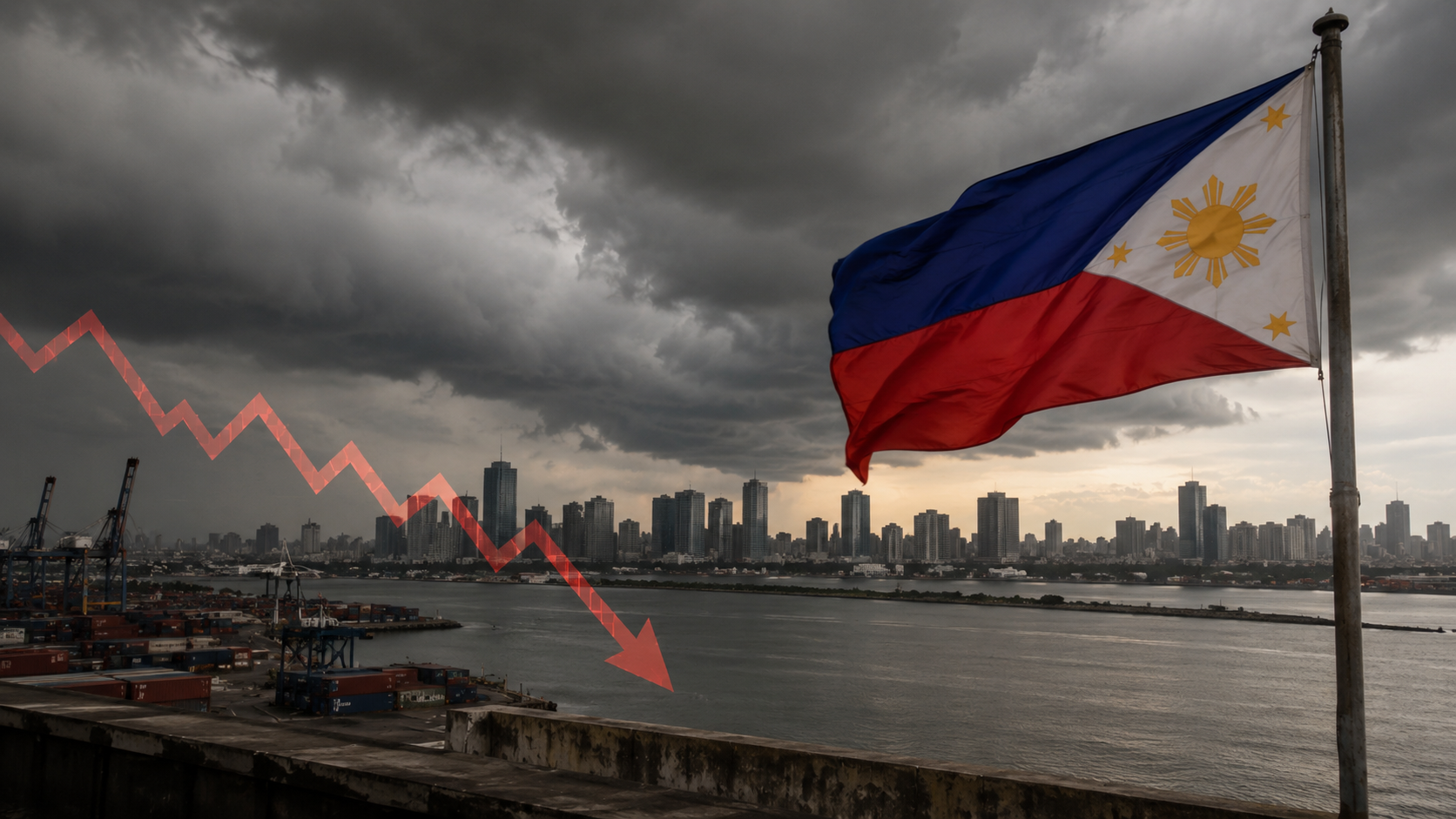
Philippines growth targets have been revised lower in a new fiscal-planning memo, as officials cite external conflict risks and weather disruptions that could weigh on output and the currency.
The updated assumptions, issued by the Development Budget Coordination Committee (DBCC), also anticipate a weaker peso persisting beyond the end of President Ferdinand Marcos Jr.’s term in 2028.
Under the DBCC’s latest baseline, the economy is expected to expand by 3.5% to 4.5% this year. Growth is projected to improve to 5% to 6% a year from 2027 through 2030, according to the memorandum.
Targets reset after softer medium-term projections
The revised path marks a step down from earlier goals set in December, when the government maintained more optimistic targets for the latter part of the decade. The adjustment reflects a weaker outlook for 2026 and slower expectations for the years immediately following.
Economic Planning Secretary Arsenio Balisacan had previously highlighted that the 2026 projection had been reduced from an earlier 5% to 6% goal. The new figures also lower the 2027 target compared with the prior 5.5% to 6.5% estimate.
Beyond 2027, the changes extend into the post-2028 period. Earlier targets for 2028 to 2030 had been placed at 6% to 7%, but the latest framework now points to 5% to 6% for each of those years.
Middle East tensions and El Niño cited as key headwinds
Acting Budget Secretary Kim Robert de Leon said the government continues to watch “downside risks” that could undermine the updated forecasts. In the memo, he pointed to the possibility of wider conflict in the Middle East, as well as fragile consumer and business sentiment.
Officials also flagged the potential intensification of El Niño, a climate pattern that can bring prolonged dry conditions and disrupt agriculture and power supply. Such shocks can translate into higher prices and reduced consumption, constraining near-term growth.
The DBCC assumptions come as policymakers attempt to balance development spending needs with a more challenging risk environment. The memo frames the revisions as a recognition that domestic activity may face limits if external shocks persist and confidence remains subdued.
2027 budget plan raised as administration seeks momentum
Despite lower growth targets, the Marcos administration is seeking a 2027 national budget of 7.2 trillion pesos, or about $117 billion. That would be roughly 6% higher than the current year’s allocation, based on the memo.
The budget proposal aims to support an economy the government describes as among the more severely affected by the Iran war’s spillover effects. While the memo does not quantify those impacts, the DBCC’s revisions suggest policymakers are incorporating broader uncertainty into medium-term planning.
Marcos is serving a single six-year term that ends in 2028, making the post-2028 projections significant for investors evaluating continuity beyond the current administration. The inclusion of peso weakness beyond 2028 signals that officials expect pressures on the currency to outlast the current political cycle.
Next steps include the submission and legislative review of the 2027 budget plan, alongside continued updates to the DBCC’s macro assumptions as geopolitical and climate conditions evolve. Markets will watch whether confidence improves and whether weather and conflict-related disruptions ease enough to lift growth back toward earlier targets.