

Google Proceeds With $17 Billion Wyoming Data Center Amid National Political Resistance
Google is moving forward with a $17 billion Wyoming data center project, utilizing advanced cooling and carbon capture technology to navigate rising national…
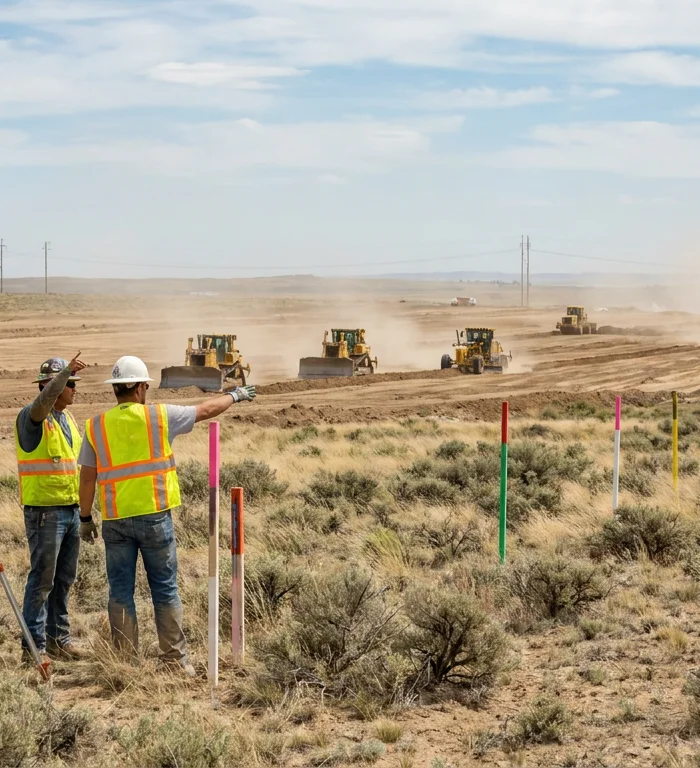
Google has confirmed plans to proceed with a $17 billion data center project in Laramie County, Wyoming, despite a broader trend of increasing political and community opposition to large-scale computing infrastructure across the United States. The project, which involves partnerships with Tallgrass Energy, Black Hills Energy, American Electric Power, and Related Digital, represents a significant capital commitment in an environment where industry-related ballot measures have faced widespread rejection.
Recent midterm election results indicate a shift in public sentiment, with voters rejecting 40 of 41 data center-related ballot measures. Candidates campaigning on platforms opposing such developments secured victories in key states, including Texas and Georgia. While Wyoming remains a politically favorable jurisdiction for the project, the broader national landscape suggests that tech firms face mounting financial and political risks regarding infrastructure expansion.
Laramie County
To mitigate community concerns regarding resource consumption, the facility will utilize air-cooling systems to minimize water usage and has pledged investments in local water replenishment programs. The energy strategy relies on a 702MW fuel-cell installation provided by Bloom Energy, which will generate electricity from natural gas. The project includes integrated carbon capture and storage technology, with emissions transported to the Eastern Wyoming Sequestration Hub for permanent underground storage.
This development highlights a strategic pivot toward self-contained energy and infrastructure solutions as a means to bypass local grid constraints and public backlash. By assuming the costs for power and infrastructure needs directly associated with the facility's growth, the company aims to insulate the project from local resource competition. However, the success of this model remains contingent on ongoing community engagement and the ability to maintain regulatory support in a climate where public opposition to AI-related infrastructure is intensifying.
More stories
- Deal Sheet: Fortis shutdown costs over 400 jobs
- The Week in Games: GTA 6 turns attention into cash
- US data centres emit 25.7m tonnes of CO2, Harvard says
- German founders need 3,942 hours to open small business
- Leaked Deutsche Bank files test Sewing's reform narrative
- UAE employers plan 2.8% pay rises for 2027
- Deal Sheet: Unity talks put $25 billion on game-tools table
- SoftBank faces leverage test after 60% share drop
- ILO says it trained Thailand rubber worker reps on safety; procurement should expect tighter evidence
- LCNB Corp. 8-K says chief wealth officer will retire in March 2027
Latest news
- Trump prepares tariffs on China and other major exporters
- New-car buyers pay record average $50,087 in October
- Banks face ECB reserve debate over liquidity and profits
- Investors see Anthropic debut gains fade below $83 a share
- Iraq orders federal control over Kurdish-area oilfields
- Germans oppose Ukraine aid as poll shows support slipping
- Kim Jong-un receives 10 envoys after constitutional shift
- Ukraine claims Libya strike sinks Russian naval corvette