

Diesel Costs Surge Worldwide as Supply Chains Face Critical Pressure
Global diesel prices have doubled in two years, raising consumer goods costs and exposing European transport systems to severe supply risks.
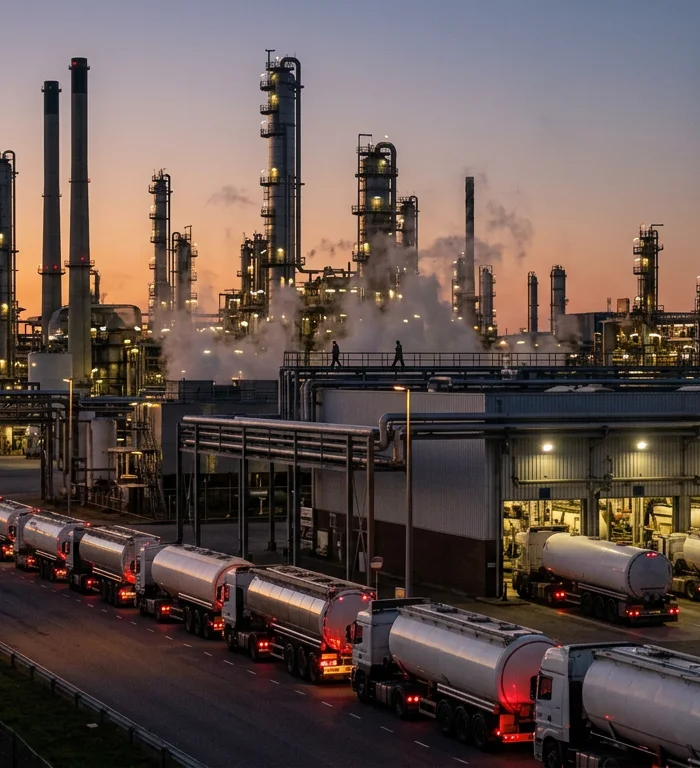
Worldwide diesel fuel costs have doubled throughout the past two years, introducing significant inflationary pressure across international logistics networks, agricultural sectors, and industrial manufacturing plants. Because heavy transport systems and heavy machinery remain overwhelmingly dependent on diesel, the continuous price volatility represents a widespread systemic threat to global supply chains.
Multiple intersecting factors account for the recent cost spike, led by geopolitical instability associated with Iran and Ukraine alongside structural realignments in global refining capacity. These combined developments have diminished product availability while leaving economic systems vulnerable to recurrent operational interruptions.
Real GDP Growth2.1%USA 2026 — IMF (↑ prev: 2.0%)Inflation (CPI)2.4%USA 2026 — IMF (↓ prev: 2.7%)Unemployment Rate4.1%USA 2026 — IMF (↓ prev: 4.2%)
European Vehicle Reliance and Structural Strains
European markets maintain an exceptionally high exposure to these fuel strains because long-standing regulatory policies encouraged a historical shift toward diesel-fueled passenger cars. At present, diesel vehicles comprise over 50 percent of Europe's total regional vehicle fleet, establishing a rigid baseline of demand that cannot be quickly altered.
This inflexible consumption pattern leaves European countries uniquely susceptible to sudden disruptions in fuel availability. Because regional energy infrastructure cannot rapidly substitute alternative power sources for diesel fuel, short-term adjustments to market conditions remain strictly constrained during tight supply periods.
Technical Processing Constraints and Price Trends
Compounding these supply vulnerabilities are the rigid technical requirements built into diesel refining processes. These rigid operational parameters restrict the speed at which processing facilities can alter output volumes to match volatile market demand, worsening overall market and institutional risks.
Because freight transport expenses remain stubbornly elevated, economic planners should prepare for continued upward pressure on retail goods pricing across international consumer markets. Reliance on specific refining regions continues to stand as a central vulnerability threatening global energy security and broader macroeconomic stability.
More stories
- Energy Markets Surge as Ceasefire Hopes Collapse
- KOSPI Declines 6.05% Amid Tech Sell-off and Macroeconomic Uncertainty
- India Evaluates Reverse Mortgage Framework to Address Retirement Income Gaps
- China Suspends Fuel Exports to Bolster Domestic Energy Reserves
- IMF Upgrades UK Growth Forecast Amid Fiscal Consolidation Recommendations
- Nifty 50 Q2 Earnings Growth Forecasted at 23% Amid Rising Cost Pressures
- Pennon Group Launches £550 Million Share Sale Following Regulatory Fines
- U.S. Housing Market Stagnation Driven by Interest Rate Disparity
Latest news
- Peptide access push may obscure patient harm reports
- Egypt construction consulting may hit $10.06 billion by 2031
- Manchester City Financial Appeal Extends Legal Timeline
- FIFA President Faces Governance Scrutiny Over Undisclosed Compensation
- Security Risks Threaten 2027 Asian Cup Hosting in Saudi Arabia
- Emergence of Youth Support Networks Addressing Polycrisis-Induced Mental Health Risks
- Ebola Outbreak Escalates in Congo Amid Security and Operational Failures
- Epic Games Shifts Disney Project to AI-First Development Following Delays