

China Suspends Fuel Exports to Bolster Domestic Energy Reserves
China has suspended overseas refined fuel shipments except to Hong Kong and Macau, prioritizing energy security amid global market instability.
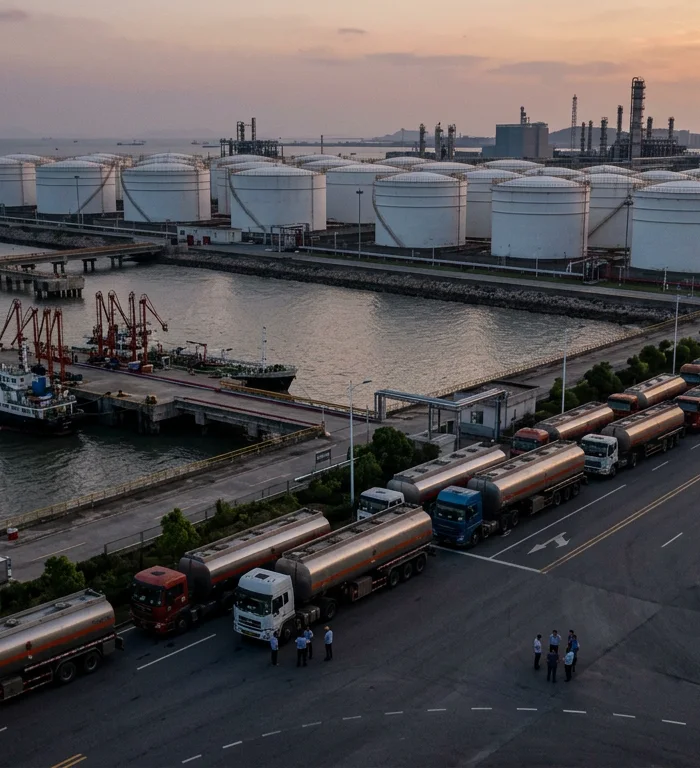
China has placed an immediate ban on outgoing refined fuel shipments to protect its domestic market from external price shocks and rising geopolitical instability. State regulatory authorities instituted the export halt while establishing explicit exemptions solely for deliveries heading to Hong Kong and Macau.
The policy shift prioritizes national energy security and domestic supply stability over previous international fuel delivery contracts. Official data indicates that domestic commercial reserves of diesel fell by 20 million barrels relative to levels recorded prior to the outbreak of armed conflict. Through these trade restrictions, government officials aim to insulate local commercial operations and consumers from imported inflationary pressures.
Rising Diesel Costs Strain Heavy Industry and Coal
Rising Diesel Costs Strain Heavy Industry and Coal Mining Despite regulatory intentions to stabilize internal energy conditions Despite regulatory intentions to stabilize internal energy conditions, the abrupt export stoppage triggered immediate price increases for processed fuel across the country. The rapid surge in local diesel prices has imposed urgent operational and financial strains on energy-intensive industrial enterprises.
The domestic coal extraction sector faces particularly severe operational challenges due to its heavy reliance on No. 0 grade fuel for main power generation.
Elevated local fuel expenses threaten to inflate overall industrial manufacturing costs, creating fiscal risks that could erode profitability throughout energy-heavy production operations. Policy Dilemmas Amid Broader Global Economic Trends These internal cost surges highlight the broader structural realignments occurring within global energy supply networks as markets adjust to ongoing international turmoil.
The domestic market disruption illustrates the inherent economic trade-offs required when isolating national petroleum reserves from global commercial trade.
Uncertainty remains regarding whether domestic industrial firms can Uncertainty remains regarding whether domestic industrial firms can absorb these increased fuel costs without direct government intervention. Regulatory authorities must determine if rising internal expenses will require fiscal support programs or structural modifications to national fuel distribution frameworks to maintain baseline industrial manufacturing.
This energy policy move unfolds against broader international economic developments, including updated 2026 projections from the International Monetary Fund regarding the United States economy. The revised outlook projects U.S. real gross domestic product growth at 2.1 percent, up from a previous 2.0 percent estimate, while consumer price inflation is projected to drop from 2.7 percent to 2.4 percent and unemployment is expected to decline from 4.2 percent to 4.1 percent.
More stories
- Taban Gıda bankruptcy puts wheat imports at risk
- Turkey posts $4.1 billion August current-account surplus
- Oncology decision-support market may reach $2.33 billion
- Energy Markets Surge as Ceasefire Hopes Collapse
- KOSPI Declines 6.05% Amid Tech Sell-off and Macroeconomic Uncertainty
- Diesel Costs Surge Worldwide as Supply Chains Face Critical Pressure
- IMF Upgrades UK Growth Forecast Amid Fiscal Consolidation Recommendations
- Nifty 50 Q2 Earnings Growth Forecasted at 23% Amid Rising Cost Pressures
- Sainsbury’s and Morrisons held merger talks
- Five-Year Fixed Mortgage Rates Surge Past 6% Threshold
Latest news
- Loops AI raises $3.5 million seed round with a16z Speedrun
- Houthi-Saudi Attacks Extend Yemen Border Risk
- Washington tests IMF-backed UK fiscal reset against NATO spending demands
- Ukraine Courts Ghana on Child Returns as Washington Eyes Africa Diplomacy
- CSG gains largest MDA Space stake with 9.5% holding
- Peptide access push may obscure patient harm reports
- Egypt construction consulting may hit $10.06 billion by 2031