

Energy Markets Surge as Ceasefire Hopes Collapse
Global energy prices rose on Monday after a unilaterally announced ceasefire between Russia and Ukraine collapsed without formal agreements.
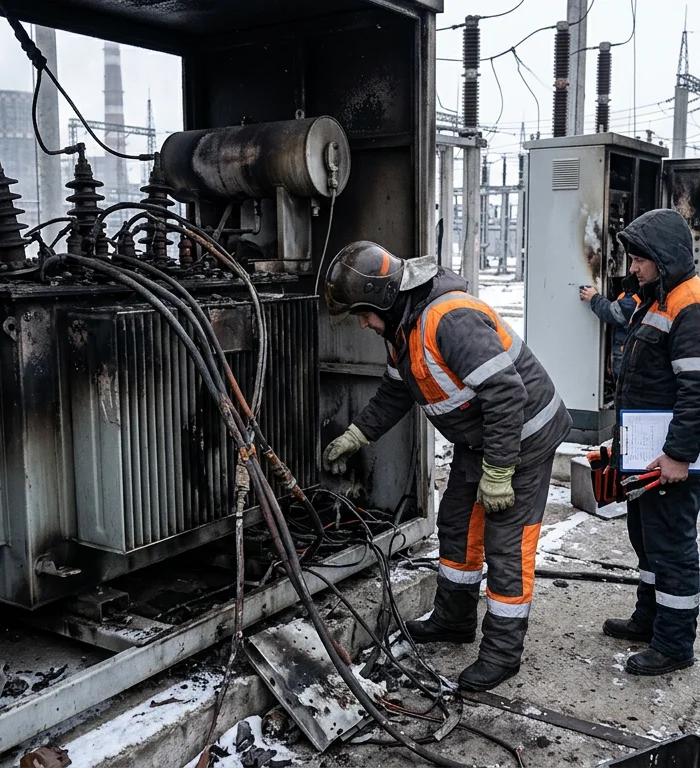
Global commodity markets recorded fresh price surges on Monday following the immediate failure of a unilaterally declared energy ceasefire between Russia and Ukraine. International benchmark Brent crude advanced by 2% to trade near $108 per barrel, while U.S. crude benchmarks similarly increased by 2% to reach $94 per barrel. The movement also prompted a sharp reversal in refined fuel markets, where diesel futures swung upward after experiencing earlier declines.
The price rally occurred after executive announcements of an immediate cessation of strikes against power assets collapsed due to a complete lack of formal structural agreements. Neither Kremlin leadership nor Ukrainian authorities had formally signed or ratified the proposed terms prior to the public declaration. Within hours of the announcement, Russian military units launched targeted strikes against key Ukrainian power assets, including an electricity generation plant in Kharkiv.
Real GDP Growth2.1%USA 2026 — IMF (↑ prev: 2.0%)Inflation (CPI)2.4%USA 2026 — IMF (↓ prev: 2.7%)Unemployment Rate4.1%USA 2026 — IMF (↓ prev: 4.2%)
Military Operations Interrupt Ceasefire Declarations
Commodity traders reacted to the ongoing strikes by The swift continuation of combat operations highlighted the distance between official statements and conditions on the ground. Military strikes hitting Kharkiv's energy facilities underscored that critical infrastructure remains actively targeted, directly contradicting executive assurances of a diplomatic breakthrough.
Commodity traders reacted to the ongoing strikes by pricing in continued supply risks across Eastern European supply channels.
In addition to the failed ceasefire framework, separate executive assertions regarding direct energy acquisitions have faced scrutiny. Official statements claiming a major agreement to acquire 2.25 million barrels of Russian diesel fuel remain completely unconfirmed by tracking data and commercial records.
Industry metrics indicate that even if such shipments materialized, the 2.25 million barrel figure accounts for less than a single day of total American consumption, limiting any potential cushion for domestic fuel reserves. Electoral Exposure and Policy Challenges
Neither Kremlin
The inability to secure enforceable diplomatic commitments introduces substantial political liability ahead of the November 3 midterm elections. High retail fuel and heating costs represent a major priority for voters, making energy affordability a central vulnerability for political campaigns. Failure to stabilize commodity pricing via executive intervention could significantly shape voter behavior and alter legislative majorities in the upcoming election.
With ongoing military engagements actively threatening key power grids, commercial markets continue to demand concrete evidence of physical supply balance rather than diplomatic declarations. The combination of persistent conflict, high fuel costs, and unverified supply claims leaves both commodity markets and political leaders facing elevated uncertainty.
More stories
- KOSPI Declines 6.05% Amid Tech Sell-off and Macroeconomic Uncertainty
- Diesel Costs Surge Worldwide as Supply Chains Face Critical Pressure
- India Evaluates Reverse Mortgage Framework to Address Retirement Income Gaps
- China Suspends Fuel Exports to Bolster Domestic Energy Reserves
- IMF Upgrades UK Growth Forecast Amid Fiscal Consolidation Recommendations
- Nifty 50 Q2 Earnings Growth Forecasted at 23% Amid Rising Cost Pressures
- Brent holds $100 as G7 releases 100 million barrels
- Average Five-Year Fixed Mortgage Rates Reach 6% Threshold
Latest news
- Peptide access push may obscure patient harm reports
- Egypt construction consulting may hit $10.06 billion by 2031
- Manchester City Financial Appeal Extends Legal Timeline
- FIFA President Faces Governance Scrutiny Over Undisclosed Compensation
- Security Risks Threaten 2027 Asian Cup Hosting in Saudi Arabia
- Emergence of Youth Support Networks Addressing Polycrisis-Induced Mental Health Risks
- Ebola Outbreak Escalates in Congo Amid Security and Operational Failures
- Epic Games Shifts Disney Project to AI-First Development Following Delays