Fujairah ship seizure prompts fresh concerns for Gulf trade
UK naval forces reported a commercial vessel seized off Fujairah and redirected toward Iranian waters, raising concerns for Gulf navigation and energy transit.
Lauren Collins ·
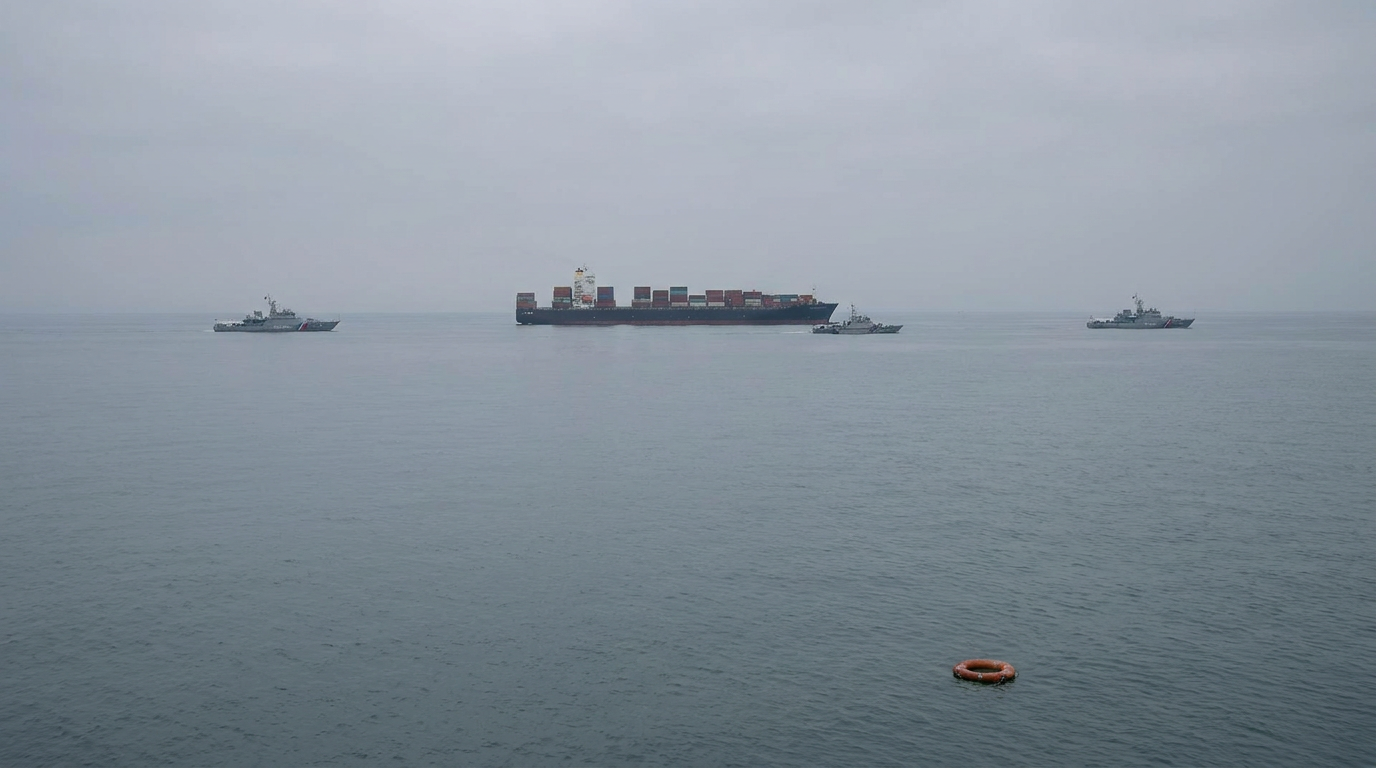
Fujairah ship seizure: UK naval authorities say a commercial vessel was taken 38 nautical miles off the UAE coast and is heading toward Iranian waters.
Incident details and immediate response
UK Maritime Trade Operations (UKMTO) reported the seizure of an anchored commercial ship roughly 38 nautical miles off the United Arab Emirates, describing the boarding as carried out by "unauthorized personnel."
The vessel’s identity and flag were not released, and UKMTO — which coordinates information between military forces and commercial shipping in the region — is liaising with partners to track the ship's movement.
Wider maritime context
The incident comes amid a modest uptick in transits through the Strait of Hormuz this week and follows Iran’s recent publication of a revised procedure for ships seeking to pass the waterway.
Since the escalation of hostilities at the end of February, when the United States and Israel began strikes on Iranian targets, traffic through Hormuz has sharply declined and multiple vessels in the region have been attacked.
The Strait of Hormuz remains critical to global energy supplies, typically handling about one-fifth of world oil flows, and disruptions there reverberate through shipping schedules, insurance rates and commodity markets.
Only days earlier, Iranian state media reported Tehran had seized a tanker in the Gulf of Oman, an action Moscow and others have said involved a sanctioned vessel carrying Iranian-owned crude.
Implications and what to watch next
The seizure off Fujairah highlights persistent security hazards for commercial shipping in the northern Arabian Sea and adjacent Gulf lanes, increasing the likelihood of rerouting and additional vessel delays.
Insurers and charterers are likely to reassess risk premiums for voyages near Hormuz and the wider Gulf, potentially raising costs for energy and commodity transport in the near term.
Key indicators to monitor include confirmation of the seized vessel’s identity and cargo, the route authorities take as the ship heads toward Iranian waters, and any formal statements from the governments of the UAE, Iran, the UK, or coalition naval forces operating in the area.
Diplomatic channels and international maritime agencies are expected to follow the case closely; any sustained pattern of seizures or attacks would prompt broader security measures and could accelerate calls for enhanced multinational escorts or new logistical arrangements for energy shipments.
For now, the immediate priority for commercial operators is situational awareness and contingency planning as navies, insurers and ports digest the latest incident and its potential effects on regional shipping and the energy market.