Players press Grand Slams for bigger revenue share at French Open
Tennis players are demanding a larger share of Grand Slam revenues and improved dialogue with organizers, escalating tensions at the French Open.
Mehmet Şahinoğlu ·
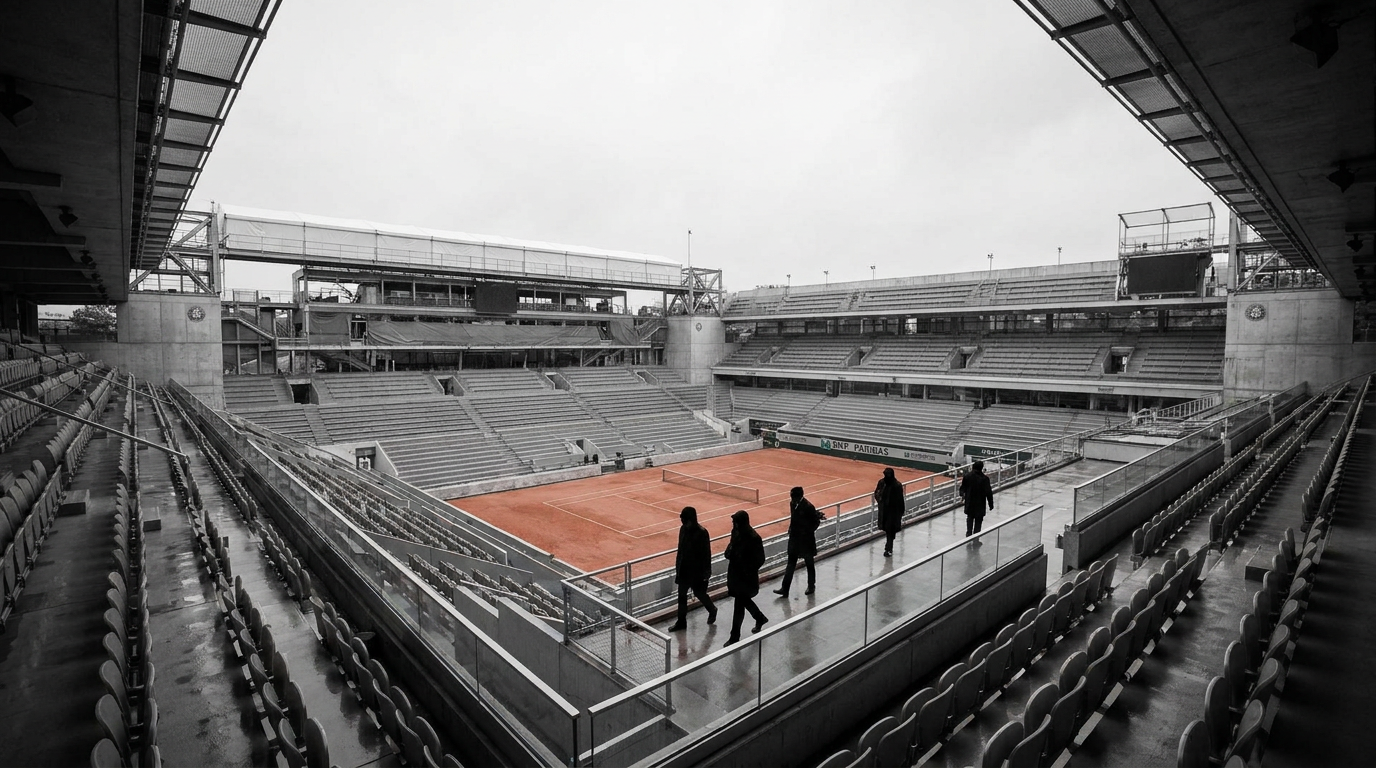
Professional tennis players escalated their push for a larger share of Grand Slam income at the French Open in May 2026, sharpening a long-running dispute over revenue distribution and player representation. Player groups and agents estimate that Grand Slams return roughly 15% of revenues to competitors, compared with about 22% at major ATP and WTA events.
Leading figures argued that the gap is increasingly hard to justify as tournament profits grow. Organisers in Paris acknowledged the concerns and arranged meetings with player agents to discuss revenue sharing and governance.
The dispute has widened beyond prize money to include pensions, scheduling, late finishes and the pace of tournament expansion. Several players said formal requests and emails to organisers have gone unanswered for extended periods, fuelling perceptions of a communication breakdown. World number one Aryna Sabalenka framed the effort as one centred on lower-ranked professionals who struggle to sustain a career financially, while senior stars lend their platform to raise the issue.
Novak Djokovic backed the thrust of the players’ demands and urged the sport to avoid further fragmentation, pointing to recent divisions in golf as a cautionary tale. He said a healthier structure should better support the lower tiers of the professional game and called for more unity among the Slams, tours and governing bodies. While Djokovic did not personally take part in planned limits on media access, he aligned himself with the broader concerns.
Early suggestions of a boycott have faded for now. Taylor Fritz cautioned against making threats the locker room is not ready to carry out, and Iga Swiatek said confrontational steps that do not build solutions would be counterproductive. Instead, player leaders are seeking sustained talks with organisers to reach agreement on a fairer model and clearer representation.
Revenue split and player welfare under scrutiny
Players seek higher redistribution and formal dialogue
Players argue that Grand Slam events have expanded commercial income markedly in recent years without a commensurate rise in the share returned to those on court. They also point to the need for stronger pensions and a framework that addresses travel costs, medical support and scheduling safeguards, particularly for those outside the top ranks.
Agents and player representatives said the immediate priority is a structured process where questions receive timely answers and proposals can be evaluated against transparent financial data.
Organisers have countered that revenues support national tennis ecosystems, facilities and development programmes as well as prize money. French Open officials said they will meet player agents to continue discussions on representation and revenue sharing. Tournament director Amelie Mauresmo expressed regret about any reduction in media access tied to the dispute, noting media day is important for journalists and fans.
Media limits, boycott talk and next steps
Leaders urge caution while keeping pressure on
Some players considered capping pre-tournament media day interviews to around 15 minutes as a symbolic measure to highlight their stance, but the prevailing view has shifted toward engagement over escalation. Fritz and Swiatek both indicated that drastic action is not currently favoured. The tone reflects a desire to build consensus across the Slams, the ATP and the WTA rather than deepen rifts.
Djokovic warned that further splintering would harm the sport’s long-term health and said any solution should elevate conditions across the rankings, not only at the top. Andrey Rublev, echoing others, described years of unanswered messages and stressed that players want to work collaboratively to grow tennis, provided there is a genuine seat at the table.
The players’ camp sees a negotiated pathway—with clearer governance, regular communication and data-backed distribution—as the most viable outcome.
Talks in Paris will signal whether both sides can establish a formal mechanism for revenue sharing and representation. If progress stalls, players could revisit limited protest actions during the season; if it advances, the focus is likely to shift to timelines and measurable targets.