US Troop Shift Alarms Europe
U.S. troop deployment changes in Europe have caused uncertainty among NATO allies, prompting concerns about security commitments amid Russian aggression.
Lauren Collins ·
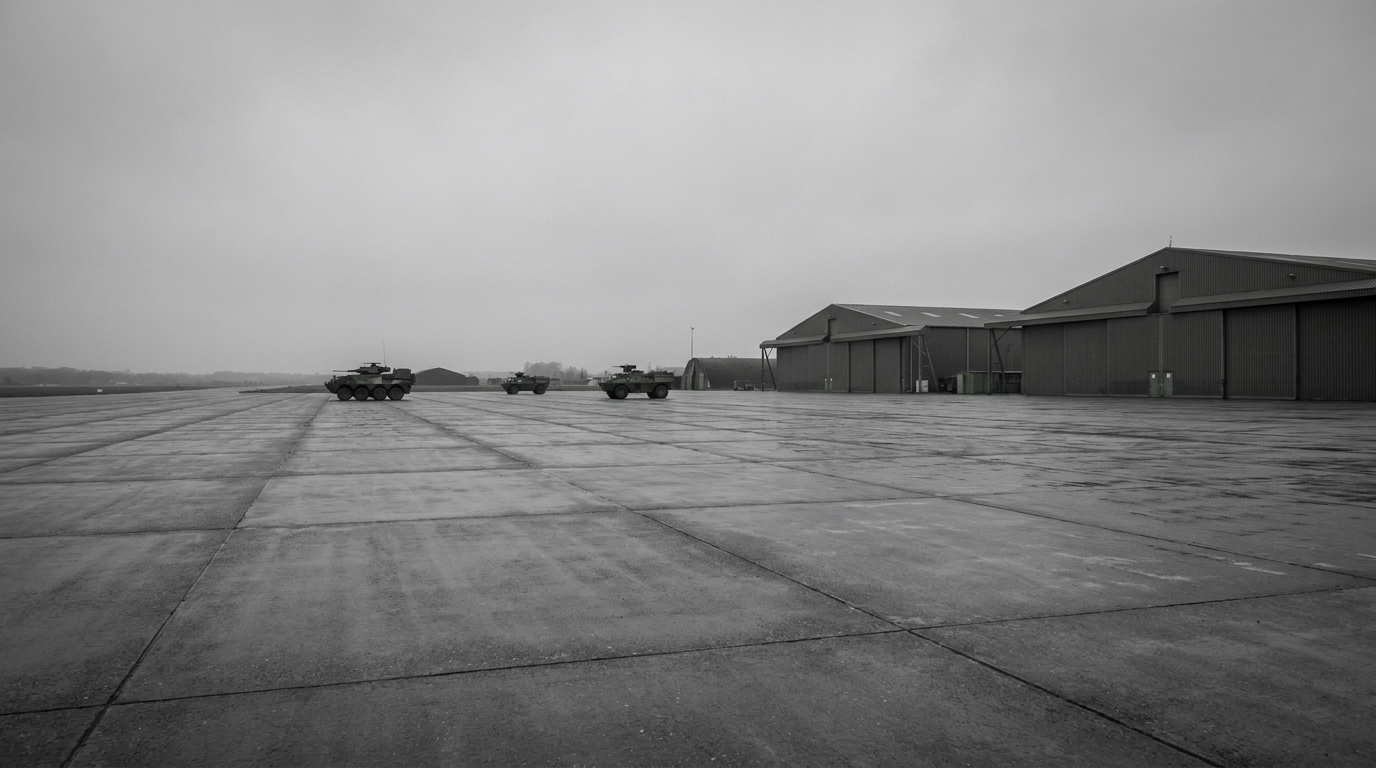
The United States recently announced a series of fluctuating troop deployment decisions concerning Europe, generating uncertainty among NATO allies, particularly Finland and Estonia. These shifts include a reduction in brigades earmarked for Europe from four to three, the cancellation of a long-range fires battalion deployment to Germany, and plans to withdraw 5,000 U.S. troops from Germany. Subsequently, an additional 5,000 troops were announced for Poland without specifying their origin.
These uncoordinated adjustments have raised concerns among European nations regarding the reliability of U.S. security commitments, especially given Russia's ongoing conflict in Ukraine. Finland, which joined NATO in 2023, and Estonia, a smaller and more vulnerable nation, have expressed apprehension over the perceived haphazard nature of U.S. policy. Finnish officials emphasize the need for systematic planning in U.S. military presence to maintain a credible deterrent against Russia.
Estonian national security leaders are evaluating short and long-term options for their own security in response to these developments. The changes in U.S. force posture come amid calls from the U.S. administration for increased European military contributions to NATO, a long-standing objective since the 1950s. However, the recent decisions risk undermining transatlantic alliance cohesion and trust.