AI Speeds Brain Drug Breakthroughs
AI is being used by UK scientists to repurpose existing drugs for neurological conditions, aiming to accelerate treatment discovery from decades to years.
Atlas Newsdesk ·
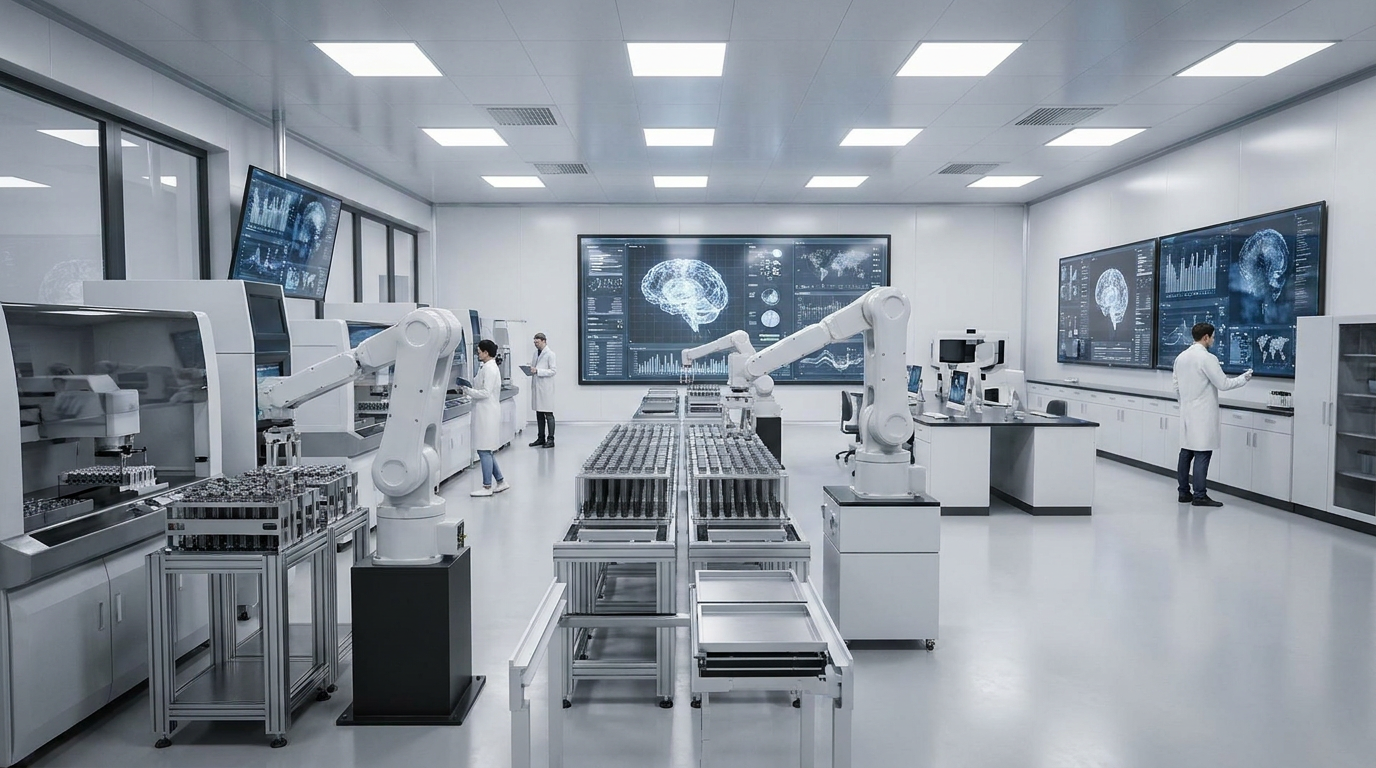
AI Accelerates Neurological Drug Discovery
Scientists at the UK Dementia Research Institute in Edinburgh are utilizing artificial intelligence (AI) to expedite the identification of existing drugs for repurposing in the treatment of neurological conditions, including motor neurone disease (MND). This initiative, which commenced recently, aims to reduce the drug discovery timeline from decades to potentially a few years.
The research methodology involves analyzing extensive patient data, such as voice recordings and eye scans, alongside lab-grown brain cells. AI algorithms are employed to detect disease patterns and predict suitable existing medications. This approach leverages the fact that approximately 1,500 already-approved drugs for other conditions might possess efficacy against neurological diseases, a potential previously unexplored due to the brain's complexity.
The process includes cultivating stem cells from patient blood samples into brain cells, which are then exposed to existing drugs. Robots, traditional lab equipment, and specialized AI algorithms analyze these interactions to identify compounds that can convert a neurological disease signature into a healthy one.
Drugs identified through this AI-driven screening can then proceed to clinical trials, offering a more efficient pathway than developing new compounds from scratch, which typically takes over a decade.
This research aligns with broader efforts in the scientific community, including work by the Massachusetts Institute of Technology and Harvard University, to use AI for drug repurposing across various medical fields. The is to deliver affordable and effective treatments for neurological conditions significantly faster than conventional methods.