

Cyberattacks Target European Refrigeration Infrastructure, Impacting Blood Banks and Retailers
Cyberattacks on refrigeration systems have hit French blood banks and retailers, sparking investigations into third-party supply chain vulnerabilities.
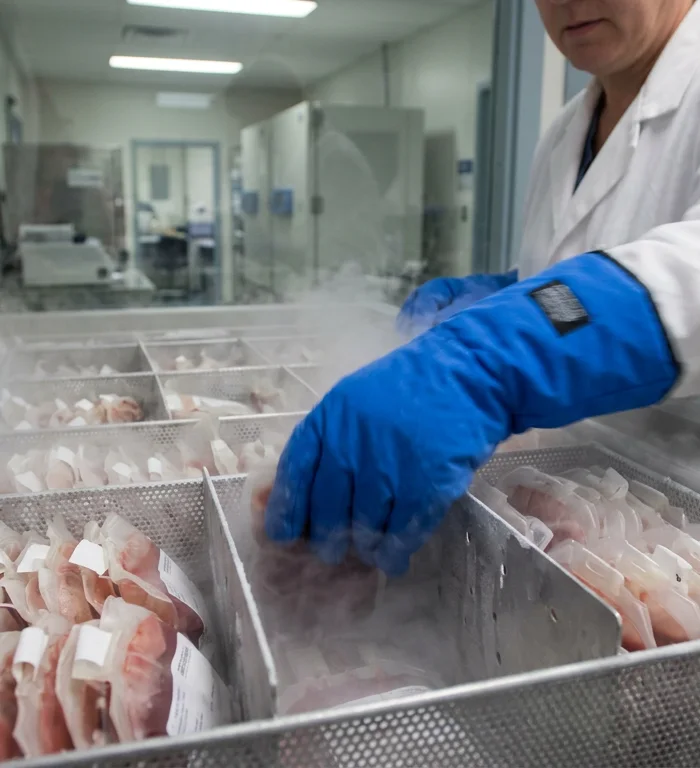
French authorities confirmed that a coordinated cyberattack targeted refrigeration control systems at three blood plasma storage sites. The incident involved unauthorized attempts to manipulate temperature settings, which would have compromised stored blood products. Monitoring and alarm systems successfully detected the anomalies, allowing staff to secure the plasma before any damage occurred. No health consequences or disruptions to blood distribution operations were reported.
The attack on the French Blood Establishment occurred concurrently with a broader campaign targeting refrigeration infrastructure across several European countries. These incidents have primarily affected commercial grocery chains, resulting in the loss of significant quantities of frozen food. One major retail group reported that a related cyberattack in October is expected to reduce quarterly sales by approximately $281 million.
Investigations into the incidents are currently underway, involving national cybersecurity agencies and health ministries. Preliminary findings indicate that the vulnerabilities originated from a component supplied by a third-party vendor, rather than the primary refrigeration service provider. The affected systems have since had remote access capabilities disabled to prevent further unauthorized manipulation.
These events highlight a growing systemic risk to critical infrastructure through the exploitation of third-party industrial control systems. The ability of external actors to remotely manipulate temperature-sensitive storage environments poses a direct threat to both public health and supply chain stability. Policymakers and security officials are now evaluating the security protocols of third-party vendors integrated into essential service networks to mitigate future exposure.
More stories
- Europe faces attribution gap after 16 cyber, physical incidents
- PIF backs Grand Theft Auto as Saudi players embrace game
- Signal limits screenshots to curb AI access to messages
- Cognition runs Devin Mac workspaces on EC2 in 6 AWS regions
- Salesforce engineers cut 600-failure triage to 90 minutes
- Türkiye Desk: GTA 6 puts console access and network demand in focus
- Türkiye Desk: e2vc opens $150m growth fund for games and tech
- Cash App and Block pursue banking shift as profit grows
- NASA Swift orbit boost aims to avert reentry this year
- Hollow-core fiber trial sets 51.3Tb/s benchmark
Latest news
- Trump prepares tariffs on China and other major exporters
- New-car buyers pay record average $50,087 in October
- Banks face ECB reserve debate over liquidity and profits
- Investors see Anthropic debut gains fade below $83 a share
- Iraq orders federal control over Kurdish-area oilfields
- Germans oppose Ukraine aid as poll shows support slipping
- Kim Jong-un receives 10 envoys after constitutional shift
- Ukraine claims Libya strike sinks Russian naval corvette