“Forty and forty”: a Philippine essay revisits nationhood’s anticlimax
This Philippine opinion essay, “Forty and forty,” argues that independence was an anticlimax, framing modern debates on identity and loyalty.
Mei Lin ·
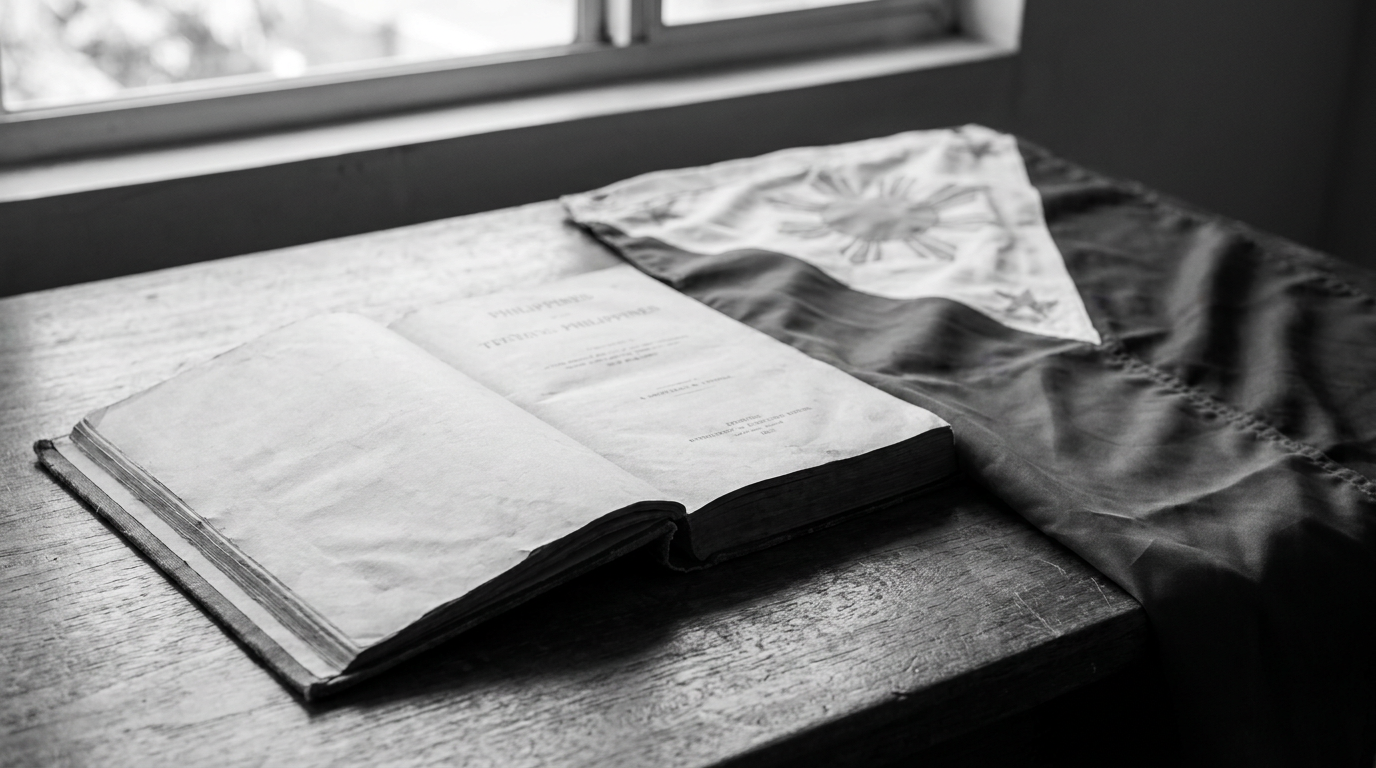
# “Forty and forty”: a Philippine essay revisits nationhood’s anticlimax
A Philippine opinion essay titled “Forty and forty” reflects on independence as arriving with less national unanimity than many postwar narratives suggest. The piece argues that, in the Philippines’ case, the end of colonial rule did not neatly cap a period of shared national purpose, but instead landed amid muddled loyalties and political ambiguity.
Southeast Asian
The argument sits in a familiar Southeast Asian frame: decolonisation was rarely linear, and the Second World War disrupted political alignments across the region. In the Philippines, Japan’s occupation and the subsequent return of American forces left a complicated legacy for how “national loyalty” was understood in the first years of self-rule.
The essay draws a comparison to India, where leaders of the independence movement were jailed during the war years, implying a clearer separation between nationalist leadership and wartime collaboration. In contrast, it contends that in the Philippines and nearby countries, wartime experience blurred the boundary between survival, collaboration, resistance, and postwar legitimacy.
In Asia-Pacific politics, national narratives are not just cultural artefacts; they are inputs into governance, alliance management, and social cohesion. How a country teaches its own independence story can shape public tolerance for security partnerships, basing arrangements, and foreign economic influence, especially when geopolitical competition intensifies.
Southeast Asian
The essay’s focus on “confused loyalty” also has a contemporary echo across the region, where governments manage external pressure while balancing trade dependence, overseas workforces, and domestic polarisation. For investors and diplomats, contested identity narratives can translate into policy volatility: shifts in education policy, history commissions, veterans’ benefits, and commemorative decisions can become proxy battles for larger questions about national direction.
Watch whether Philippine civic and education institutions elevate, contest, or sideline this “anticlimax” framing ahead of the next major cycle of national commemorations and school curriculum updates. By 2026-12-31 , a clear signal would be an official curriculum guidance note or public statement from a national education authority explicitly endorsing or rejecting interpretations that emphasise ambiguous wartime loyalties; the opposite signal would be the absence of any institutional response, leaving the debate primarily in commentary and classroom discretion.