

Flavio Bolsonaro faces Lula in Brazil runoff after 47% first-round vote
Polls cited by Rappler and Reuters show the candidates nearly tied, with the contest carrying implications for Brazil’s US relations, trade policy and markets.
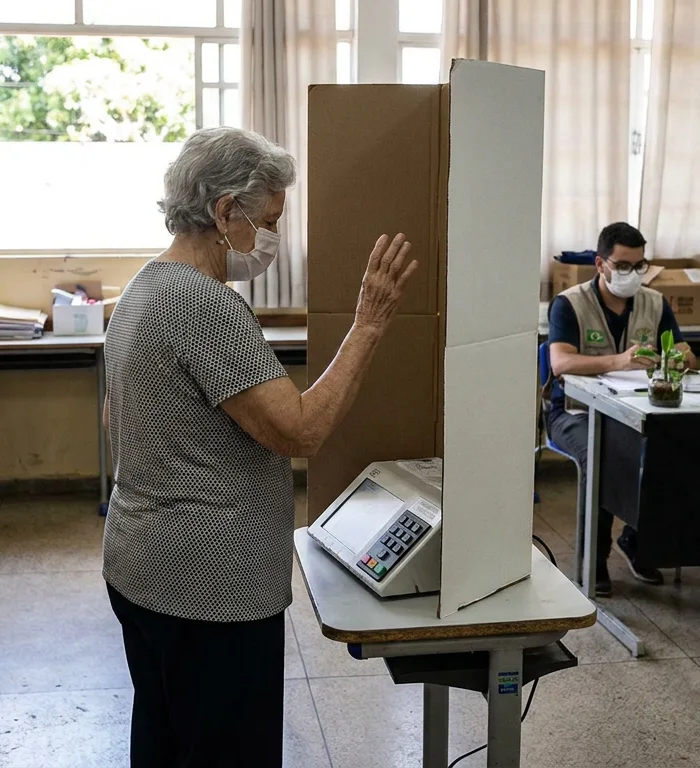
Brazil voted on Oct. 25 in a presidential runoff between President Luiz Inacio Lula da Silva and Senator Flavio Bolsonaro, after Bolsonaro led the first round with 47% of ballots, Rappler reported via Reuters.
Lula, who received 45% in the first round, has narrowed the gap in late polling, according to Rappler and Reuters, making the vote a close test for Latin America’s largest economy and its foreign-policy direction.
The contest offers sharply different political paths. Rappler and Reuters said a Bolsonaro victory would move Brazil closer to US President Donald Trump’s administration, while a fourth Lula term would follow trade and security disputes with Washington.
Bolsonaro’s first-round performance surprised pollsters and investors. Rappler and Reuters reported that Brazil’s markets and currency rose after the result on expectations that Bolsonaro would pursue pro-business changes, though the report did not provide market move sizes.
Trump has sided publicly with the Bolsonaro family’s account of Jair Bolsonaro’s legal troubles, calling the case a “witch hunt,” according to Rappler and Reuters. The report said Trump imposed a 50% tariff on Brazil in 2025 linked explicitly to Jair Bolsonaro’s trial, later softened many of those measures, and added new levies this year over alleged unfair trade practices.
The campaign has been shaped by corruption scandals, economic concerns and accusations of US interference, which Washington denies, Rappler and Reuters reported. Lula has described US proximity to the Bolsonaro family as an attempt to influence the election, while criticizing tariffs and other punitive actions as bullying.
Economic issues have complicated Lula’s bid. Rappler and Reuters reported that inequality and unemployment have fallen, but voters continue to face high living costs and heavy household debt, while gang violence remains a concern.
Bolsonaro has campaigned on cost-of-living frustration and a tougher crime platform. According to Rappler and Reuters, he has pledged maximum-security prisons and chemical castration for serious sexual offenses, and has said he would free his father if elected.
The institutional stakes extend beyond the presidency. Rappler and Reuters reported that Bolsonaro’s Liberal Party and other right-wing politicians also performed strongly in congressional races, a result that could help him govern or make a Lula administration more difficult.
Historical precedent, as reported by Rappler and Reuters, favors Bolsonaro: no Brazilian candidate has won the presidency after finishing second in the first round. The immediate next test is the Oct. 25 runoff count.
Source: news article, Rappler via Reuters, Oct. 25, 2026
More stories
- Germans oppose Ukraine aid as poll shows support slipping
- Kim Jong-un receives 10 envoys after constitutional shift
- Ukraine claims Libya strike sinks Russian naval corvette
- COP31 climate talks collapse over fossil fuels and funds
- Russian military faces 1,087 recorded suicides in Ukraine war
- US faces China, Russia in Africa minerals contest
- Nigeria advocates put northern missing at 17,000
- Thai minister sees progress after Suu Kyi's first family call in over 5 years
- Egypt offers Saudi defense help, seeks parliament's role
- Magyar puts Hungary's euro plans before first budget test
Latest news
- Trump prepares tariffs on China and other major exporters
- New-car buyers pay record average $50,087 in October
- Banks face ECB reserve debate over liquidity and profits
- Investors see Anthropic debut gains fade below $83 a share
- Iraq orders federal control over Kurdish-area oilfields
- Nvidia shares retreat as AI rally cools before PCE data
- Macy’s parade faces balloon limits as storm winds approach