

Reform UK Challenges Polling Methodology Amid Declining Support
Reform UK is challenging the accuracy of recent polls showing a decline in support, while internal scandals and a resurgent Conservative Party complicate…
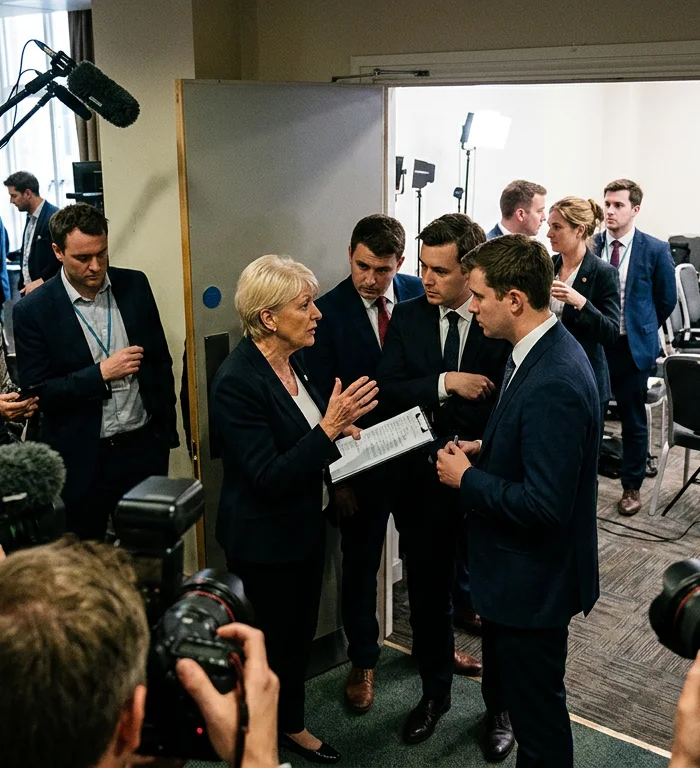
Reform UK leadership is publicly disputing current polling data that places the party in a tie with the Conservative Party. Party officials allege that polling methodologies systematically suppress their support by miscalculating the behavior of undecided voters and underestimating Reform’s potential turnout. These claims are being countered by independent polling experts, who maintain that current data accurately reflects a decline in the party’s standing compared to its previous performance.
The party’s recent polling slump follows a period of internal instability, including a police investigation into allegations of improper foreign donations for internal polling activities. Additionally, reports of internal misconduct have contributed to a loss of momentum, complicating the party's efforts to position itself as the primary opposition to the current government. This decline marks a significant shift from earlier periods when the party led national voting intention surveys.
Reform UK
Simultaneously, the Conservative Party has experienced a relative recovery under new leadership, with current data suggesting their leader is viewed more favorably than the Reform UK leader regarding potential suitability for the premiership. Analysts note that the Conservative Party has successfully consolidated its political messaging, while Reform UK has struggled to maintain a consistent narrative following a series of public controversies.
Despite the current polling trends, Reform UK insiders maintain that the party has reached a support floor and that the Conservative Party is approaching a ceiling. The party continues to argue that its long-term viability remains intact, framing the current polling as a correction from an artificial peak rather than a structural failure. Observers remain focused on whether the party can regain its previous influence or if the current shift toward a two-party dynamic will persist until the next general election.
More stories
- Germans oppose Ukraine aid as poll shows support slipping
- Kim Jong-un receives 10 envoys after constitutional shift
- Ukraine claims Libya strike sinks Russian naval corvette
- COP31 climate talks collapse over fossil fuels and funds
- Russian military faces 1,087 recorded suicides in Ukraine war
- US faces China, Russia in Africa minerals contest
- Spanish workers stage first general strike in 14 years
- Singapore faces 400-post Indonesia disinformation push
- Tundu Lissu faces Nov. 6 treason ruling in Tanzania
- AVPA sees Africa risk-capital gap despite $4tn in assets
Latest news
- Trump prepares tariffs on China and other major exporters
- New-car buyers pay record average $50,087 in October
- Banks face ECB reserve debate over liquidity and profits
- Investors see Anthropic debut gains fade below $83 a share
- Iraq orders federal control over Kurdish-area oilfields
- Nvidia shares retreat as AI rally cools before PCE data
- Macy’s parade faces balloon limits as storm winds approach