

European Union Faces Internal Division Over Negotiating Strategy With Russia
European Union members are struggling to define a unified negotiating strategy for talks with Russia, split between demands for a hardline approach and calls…
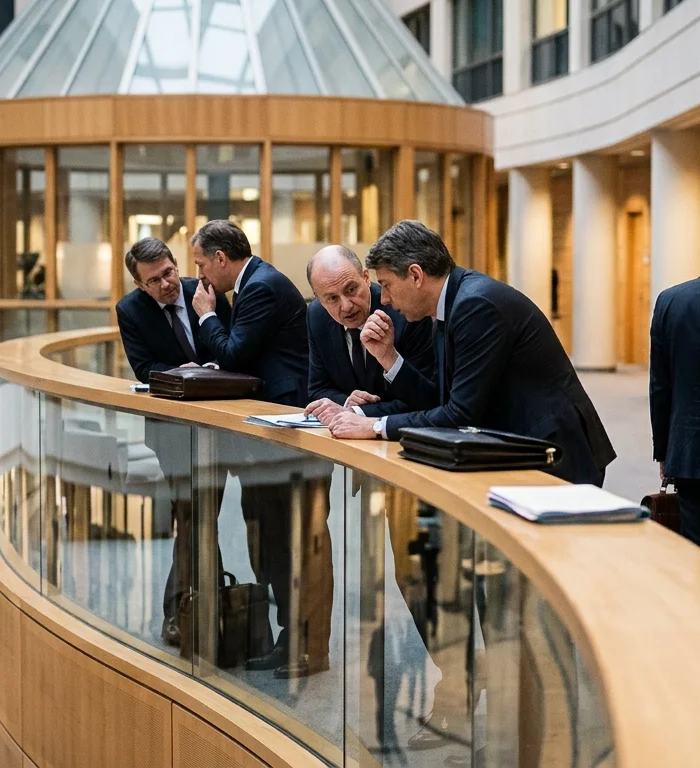
European Union member states are currently divided over the strategic mandate for upcoming negotiations with Russia regarding the conflict in Ukraine. While the EU has finalized a representative team comprising officials from France, Germany, Italy, Poland, the U.K., NATO, and the European Commission, the lack of a unified negotiating position remains a significant diplomatic hurdle.
Disagreement centers on whether to adopt a rigid, high-demand stance or a more flexible, incremental approach. EU foreign policy leadership advocates for a strategy that prioritizes maximum initial demands and clearly defined red lines. Conversely, several member states, including Austria, have proposed a more pragmatic framework that emphasizes confidence-building measures, such as limited or partial ceasefires and the establishment of international monitoring forums.
Proponents of the flexible approach argue that negotiators require a mandate that allows for maneuverability rather than one that restricts their ability to engage in substantive dialogue. Some officials suggest that the drafting of this mandate should be handled by permanent representatives to ensure technical precision, while others insist that foreign ministers must retain control to ensure political alignment.
European Union
External actors, including Norway, have suggested that the current security environment necessitates a return to Cold War-era frameworks, such as the Helsinki Accords, to manage long-term stability and arms limitation. However, Baltic and Nordic nations maintain that any engagement must be strictly sequenced, prioritizing a total ceasefire before broader peace discussions or security guarantees are considered.
Despite these internal policy fractures, European officials acknowledge that negotiations are expected to resume in the near term. The primary risk for the bloc remains the potential for a disjointed presentation at the negotiating table, as the mandate will bind EU representatives but not those from the U.K. or NATO, potentially undermining the collective influence of the Western coalition.
More stories
- Germans oppose Ukraine aid as poll shows support slipping
- Kim Jong-un receives 10 envoys after constitutional shift
- Ukraine claims Libya strike sinks Russian naval corvette
- COP31 climate talks collapse over fossil fuels and funds
- Russian military faces 1,087 recorded suicides in Ukraine war
- US faces China, Russia in Africa minerals contest
- Russian man faces 15 years over alleged Palantir spying
- BN-PN takes 24 of 28 Melaka seats
- Refinery attacks put Russia's diesel export plans in focus
- Spain faces high-speed rail trust crisis after 69-death crash
Latest news
- Trump prepares tariffs on China and other major exporters
- New-car buyers pay record average $50,087 in October
- Banks face ECB reserve debate over liquidity and profits
- Investors see Anthropic debut gains fade below $83 a share
- Iraq orders federal control over Kurdish-area oilfields
- Nvidia shares retreat as AI rally cools before PCE data
- Macy’s parade faces balloon limits as storm winds approach