

EU Initiates Legal Action Against IBM, Atos, and Leonardo Over Border System Delays
The EU has sued IBM, Atos, and Leonardo for failing to meet development deadlines for its automated border control system, though the agency maintains the…
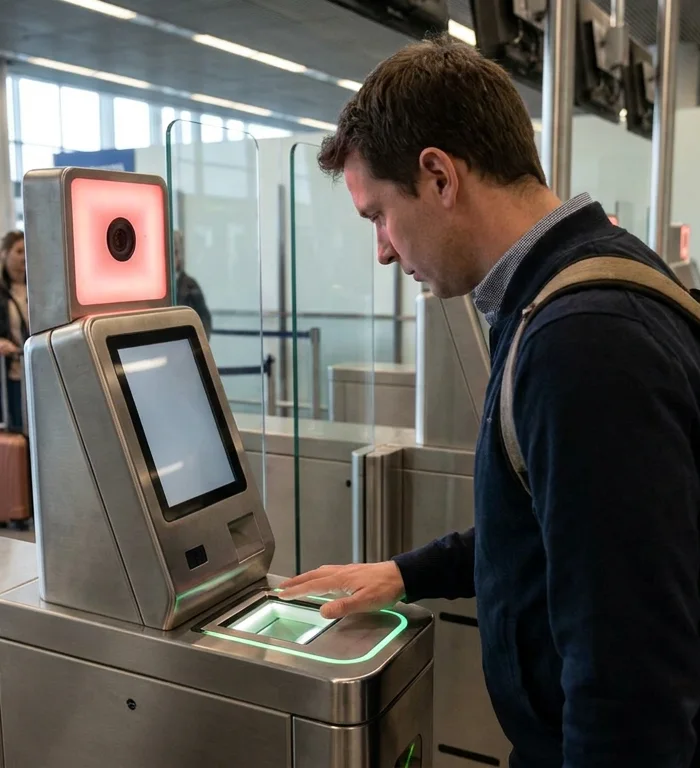
The European Union’s IT agency, eu-LISA, has initiated legal proceedings against a consortium comprising IBM, Atos, and Leonardo. The litigation follows persistent disputes regarding missed development deadlines and the subsequent imposition of financial penalties related to the bloc’s Entry/Exit System (EES).
The EES is a critical digital infrastructure project designed to automate border security by requiring non-EU travelers to register biometric data, including fingerprints and facial images. The system is intended to enhance security by identifying identity fraud, tracking overstayers, and managing illegal migration flows across the Schengen Area.
Internal communications indicate that the legal action is the culmination of a multi-year conflict between the agency and the consortium. The dispute centers on the contractors' failure to meet project milestones and their subsequent refusal to accept administrative warnings and fines issued by the agency during the development phase.
Despite the ongoing litigation, the agency has confirmed that the EES is currently fully operational across the European Union. Officials stated that the legal proceedings are confined to the development phase of the project and do not affect the system’s current functionality or security performance.
This development highlights significant governance risks associated with This development highlights significant governance risks associated with large-scale, multi-national IT procurement projects. The reliance on a consortium for critical border infrastructure creates potential vulnerabilities when contractual obligations are not met, particularly in projects tied to high-priority political mandates like immigration control.
Institutional stakeholders should monitor the outcome of these proceedings, as they may set a precedent for how the European Union manages vendor accountability in future large-scale digital infrastructure contracts. The case underscores the challenges of maintaining project timelines when dealing with complex, multi-vendor technological integrations in a sensitive security environment.
More stories
- Deal Sheet: Fortis shutdown costs over 400 jobs
- The Week in Games: GTA 6 turns attention into cash
- US data centres emit 25.7m tonnes of CO2, Harvard says
- German founders need 3,942 hours to open small business
- Leaked Deutsche Bank files test Sewing's reform narrative
- UAE employers plan 2.8% pay rises for 2027
- Deal Sheet: Unity talks put $25 billion on game-tools table
- SoftBank faces leverage test after 60% share drop
- RBL Bank slides 8% as provisions temper Q2 profit jump
- Russian diesel relief opens 1.8 million-ton supply path
Latest news
- Trump prepares tariffs on China and other major exporters
- New-car buyers pay record average $50,087 in October
- Banks face ECB reserve debate over liquidity and profits
- Investors see Anthropic debut gains fade below $83 a share
- Iraq orders federal control over Kurdish-area oilfields
- Germans oppose Ukraine aid as poll shows support slipping
- Kim Jong-un receives 10 envoys after constitutional shift
- Ukraine claims Libya strike sinks Russian naval corvette