

Eisenkot signals no immediate threat from Iran to justify war
Former Israeli war cabinet member Gadi Eisenkot warns against immediate kinetic action, highlighting a divide within the Israeli security establishment.
Strategic reassessment of Iranian threat
Gadi Eisenkot, a former member of Israel’s war cabinet, stated that the current regional landscape does not present an immediate threat from Iran that necessitates a direct military strike. His comments represent a significant departure from the more aggressive posture adopted by various factions within the current coalition, prioritizing internal stability over expansionist regional conflict.
This assessment follows a period of heightened regional tension, characterized by the persistent shadow war between Israel and Iranian-backed proxies. Eisenkot’s stance underscores an ongoing friction between professional security figures and the far-right coalition partners who have frequently advocated for a more kinetic response to Tehran’s influence across the Levant and Yemen.
Regional balancing and security architecture
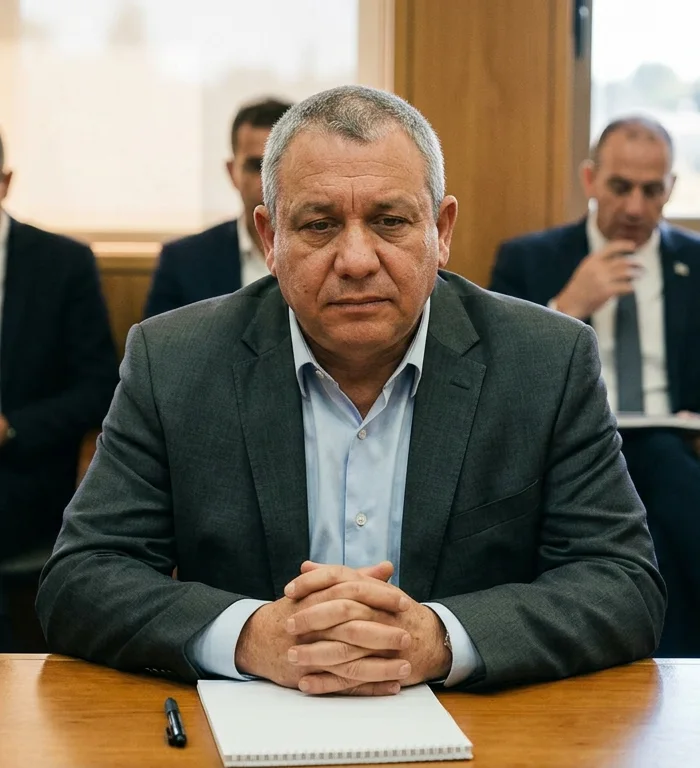
Gadi Eisenkot
The Israeli security establishment remains divided over how to manage the influence of the Islamic Revolutionary Guard Corps (IRGC) and the broader Axis of Resistance. While some officials argue that aggressive deterrence is essential to neutralize the reach of Iranian proxies, others—represented by the perspective articulated by Eisenkot—maintain that such actions risk dragging the state into an unsustainable, multi-front war that the military and economy may not be equipped to sustain.
For Gulf Cooperation Council For Gulf Cooperation Council (GCC) states, this internal Israeli signal offers a brief window for continued de-escalation efforts. Countries in the region have been attempting to balance normalization pathways with security partnerships, fearing that an unpredictable Israeli strike on Iranian infrastructure could force a confrontation that disrupts maritime energy flows through the Strait of Hormuz and the Bab al-Mandab. Potential for policy shift
If the security establishment’s preference for restraint holds, the likelihood of a major regional escalation in the near term may decrease. Conversely, should political pressure from hardline ministers override these tactical cautions, the risk of a miscalculation remains high. The primary open question is whether this moderation in public discourse reflects a genuine shift in government operations or merely a temporary tactical pause before further regional volatility.
More stories
- Germans oppose Ukraine aid as poll shows support slipping
- Kim Jong-un receives 10 envoys after constitutional shift
- Ukraine claims Libya strike sinks Russian naval corvette
- COP31 climate talks collapse over fossil fuels and funds
- Russian military faces 1,087 recorded suicides in Ukraine war
- US faces China, Russia in Africa minerals contest
- Allies rebuff Flavio Bolsonaro over leadership from abroad
- North Korea fires about 10 missiles before border deadline
Latest news
- Trump prepares tariffs on China and other major exporters
- New-car buyers pay record average $50,087 in October
- Banks face ECB reserve debate over liquidity and profits
- Investors see Anthropic debut gains fade below $83 a share
- Iraq orders federal control over Kurdish-area oilfields
- Nvidia shares retreat as AI rally cools before PCE data
- Macy’s parade faces balloon limits as storm winds approach