

DuPont Integrates Agentic AI to Accelerate Industrial R&D Cycles
DuPont is deploying agentic AI through a partnership with Microsoft and NobleAI to automate R&D workflows, aiming to accelerate product development cycles…
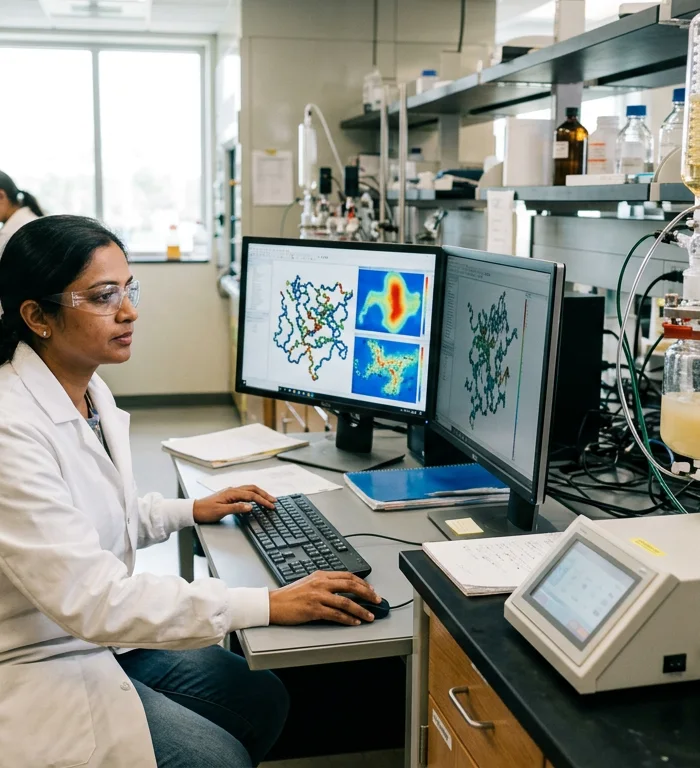
DuPont has initiated a strategic collaboration with Microsoft and NobleAI to integrate agentic artificial intelligence into its research and development workflows. The partnership utilizes Microsoft’s Discovery platform for research orchestration and NobleAI’s Visualizations, Insights and Predictions (VIP) platform for predictive modeling. This integration aims to transition R&D processes toward a model where initial candidate selection and experimentation occur primarily through computer simulation before physical testing is initiated.
The initiative is designed to address limitations in industrial data by embedding scientific principles directly into the modeling workflow. By utilizing AI to narrow the scope of potential solutions, the company intends to reduce development timelines and improve the efficiency of innovation cycles across its healthcare, water, construction, and industrial portfolios.
From a governance perspective, the project is structured to facilitate company-wide scalability. Management has indicated that the deployment includes integrated security and governance protocols, allowing successful laboratory-tested workflows to be standardized and replicated across the organization. This approach reflects a broader corporate strategy to institutionalize AI-driven R&D as a core operational capability.
The primary risk factor remains the technical efficacy of these models when applied to complex, real-world industrial environments outside of controlled laboratory settings.
If the integration successfully shortens time-to-market while maintaining product integrity, it may serve as a template for digital transformation in capital-intensive manufacturing sectors. Future monitoring should focus on whether these agentic workflows yield measurable reductions in development costs and whether the governance framework effectively mitigates risks associated with automated decision-making in scientific research.
More stories
- CapitaLand, Neon target China's $2.8 trillion experience economy
- Listed firms in Indonesia face fire scrutiny as 2.88m hectares burned
- BCP Investment seeks ICMB merger at 126% premium
- Woolcott avoids jail over AI-assisted Touchstone takeover fraud
- Deal Sheet: Unity talks put $25 billion on game-tools table
- SoftBank faces leverage test after 60% share drop
Latest news
- FAA halts US departures after communications disruption
- Europe faces unity test as Trump revives Ukraine diplomacy
- Democrats push AI regulation as two state veterans arrive
- Lutnick faces AI chip scrutiny as Bessent faults Commerce
- AI investment boom binds global suppliers to US spending
- Senate Democrats face leadership fight after midterm gains
- Trump extends Jones Act waiver for another 90 days: official
- Russia reports 1% growth as refinery output declines 18%