

Dubai inflation hits 5.5% as transport and food costs climb
Transport expenses rose 19.3% while food prices reached a 14-year high, testing the emirate’s status as a low-cost hub for international talent.
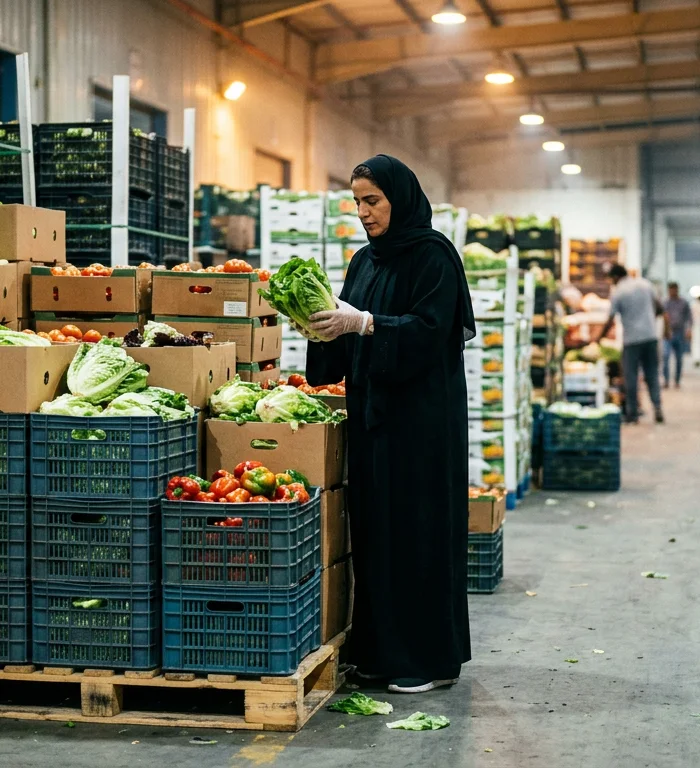
Surging costs hit Dubai households
Dubai’s headline inflation rate climbed to 5.5% in the most recent reading, driven by a sharp escalation in transport and food expenses. The data, published by Emirates NBD Research, highlights a decisive shift in the emirate’s price environment as core components of the cost of living outpace recent historical trends.
Transport costs recorded a 19.3% increase compared with the previous year, according to the research note. Simultaneously, food inflation reached its highest level since at least 2010, marking a significant departure from the relative price stability that has characterized the UAE economy for over a decade.
Supply chain and transit pressures
The price increases stem partly from ongoing disruptions in global shipping routes, particularly those impacting the Red Sea. Because the UAE relies heavily on imported consumer goods, elevated transit costs have flowed directly into local retail prices.
These supply-side pressures are compounded by the structure of the local economy, which remains highly sensitive to import-led inflation. As shipping costs remain volatile, the downward pressure on domestic food availability and pricing is expected to persist.
Impact on the broader economy
For an economy built on attracting global talent, these inflationary pressures create new risks to competitiveness. Sustained increases in the cost of living may force businesses to adjust compensation packages, potentially squeezing margins across the crucial service and hospitality sectors.
Emirates NBD Research
The UAE Central Bank’s monetary policy remains tethered to the US Federal Reserve, limiting the ability of local authorities to use interest rate adjustments to combat domestic price spikes. The current environment forces a difficult trade-off between supporting growth and mitigating the impact on residents.
Future policy and fiscal adjustments
The main open question is whether the UAE will introduce targeted government interventions or subsidy adjustments to curb food price volatility by the end of 2024. If such measures are implemented, the impact on household spending could be mitigated, potentially stabilizing the overall inflation index.
Conversely, if current inflationary pressures migrate from transport and food into the housing and rental sectors, the emirate could face a broader cost-of-living crisis. Observers are watching for potential revisions to Dubai’s 2025 fiscal budget forecasts to gauge how the government intends to respond to these shifting macroeconomic realities.
More stories
- Trump prepares tariffs on China and other major exporters
- Banks face ECB reserve debate over liquidity and profits
- Investors see Anthropic debut gains fade below $83 a share
- Iraq orders federal control over Kurdish-area oilfields
- Nvidia shares retreat as AI rally cools before PCE data
- Nvidia board gets Trump input on Jensen Huang return as CEO
- Fed cuts annual rate votes to six in 2028
- Asian shares slip as Nvidia earnings meet rising US yields
- Apple starts India festive sale with Rs 17,900 AirPods 5
- Nasdaq futures fall to 31,072 before bank earnings