Drug Seizure Exposes Indo-Pacific Trafficking Routes to Australia
British authorities seized an £11 million 'pink cocaine' shipment destined for Australia, highlighting the persistent challenge of transnational drug…
Mei Lin ·
British Intercept Impacts Australian Illicit Trade
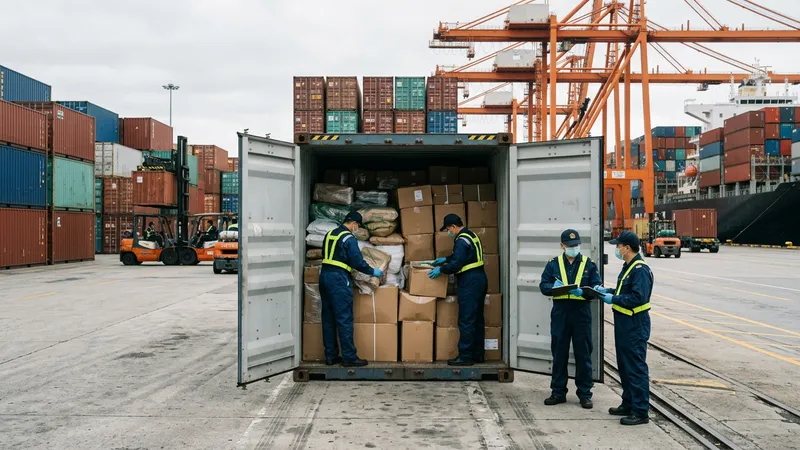
British law enforcement agencies recently intercepted a substantial shipment of 'pink cocaine' valued at an estimated £11 million ($14 million), which was reportedly bound for Australia. This interception underscores the ongoing global illicit drug trade targeting the Indo-Pacific, revealing vulnerabilities in supply chains and presenting persistent challenges for regional security and public health efforts.
Australian Drug Challenges Persist
Australia has grappled with a significant issue of illicit drug imports, particularly concerning synthetic drugs and cocaine, which impact public health and crime rates. According to the Australian Criminal Intelligence Commission (ACIC), cocaine remains a drug of significant concern, with its availability and use contributing to broader social issues. Transnational organized crime networks often exploit sophisticated global logistics, adapting routes and methods to bypass detection and reach high-value markets like Australia.
Previous large-scale drug busts, such as the 2022 seizure of over two tons of cocaine in Melbourne by the Australian Federal Police (AFP), illustrate the continuous efforts by law enforcement to counter these operations. These incidents frequently involve close cooperation with international partners, including European agencies, under established intelligence-sharing agreements to dismantle criminal enterprises.
Regional and Global Implications
The successful interdiction of such a large consignment directly affects the supply and availability of illicit substances within Australia, potentially disrupting local criminal networks and reducing associated social harms. Globally, these drug routes intertwine with broader trade flows, posing risks to legitimate supply chains through money laundering and corruption. The persistence of these trafficking efforts also highlights the need for continued international collaboration, particularly between Europe and the Indo-Pacific, to share intelligence and coordinate enforcement actions against organized crime groups. The sheer volume of the seized narcotics suggests a significant demand within Australia, influencing local market dynamics and potentially escalating public health concerns.
Enhanced Vigilance by Australian Authorities
Australian federal law enforcement agencies, including the Australian Federal Police (AFP) and Border Force, are expected to intensify their focus on detecting and disrupting illicit drug imports. Given the scale and type of the recent seizure, this may lead to further public statements or strategic adjustments in national drug enforcement policies. The incident could also prompt a review of existing international cooperation frameworks to bolster the exchange of intelligence and operational support in combating transnational drug trafficking.
Future Law Enforcement Actions
Statements or actions from Australian federal law enforcement, such as the AFP or Border Force, are anticipated regarding increased vigilance or new strategies to counter drug imports, potentially referencing international collaboration. By August 30, 2024, if Australian authorities announce specific measures, a joint task force, or new intelligence-sharing protocols, it would signal a direct policy response to the incident's implications. Conversely, if no significant public statements or policy changes from Australian authorities are made, it might suggest the incident is viewed as an isolated enforcement success rather than indicative of a larger strategic threat requiring new policy initiatives.