

DR Congo Ebola outbreak kills nearly 5,400 in reported toll
The rare Bundibugyo strain has reached more than 11,000 confirmed cases, with children accounting for more than a third of deaths.
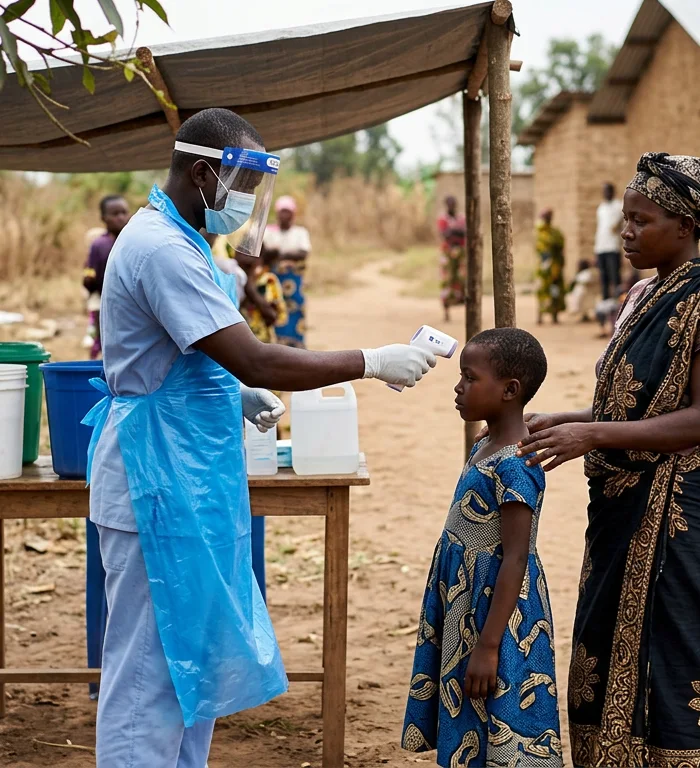
DR Congo’s six-month Ebola outbreak has recorded more than 11,000 confirmed cases and nearly 5,400 reported deaths, with eastern Ituri province among the centres, the Guardian reported Nov. 20.
The Bundibugyo strain carries a reported fatality rate of almost 50%, according to the World Health Organization, and Africa CDC says children account for more than a third of deaths.
The outbreak has cut through families in Bunia, the Ituri provincial capital. Sylvain Kabona Tibasima, 44, told the Guardian that 46 of his relatives had died from Ebola in recent months, including his sister Sylvie Bongerize Tibasima, 46, and her newborn daughter.
“It’s been incredibly difficult,” Tibasima said. “When Ebola began spreading, many people in this town and in my extended family believed it was sorcery.”
He said relatives’ visits to sick people and customary contact with bodies before burial helped transmission. “That’s exactly how the virus continued to spread,” he said.
Tibasima works as a driver for the German aid organisation Welthungerhilfe and has received training on prevention measures, according to the report. He said his immediate family has avoided funerals, weddings and other gatherings, kept distance from others, washed hands often and used disinfectant outside the home.
The public-health response is unfolding in one of DR Congo’s most fragile regions. Bunia has more than one million displaced people, many in crowded camps on the city’s edge, according to the International Organization for Migration. More than 100 armed groups operate across eastern DR Congo, including in Ituri.
Pascal Cishibanji Cabwine, Welthungerhilfe’s Ebola coordinator, said insecurity and mistrust were obstructing containment. “Displacement, insecurity and distrust of authorities are all major obstacles to containing Ebola, as they complicate diagnosis and contact tracing,” he said.
Health workers and treatment centres have come under more than 80 documented attacks since the outbreak began in May, disrupting contact tracing and exposing medical staff to danger. Africa CDC has reported between 400 and 500 new cases a week.
The WHO says there is no specific treatment or approved vaccine for the Bundibugyo strain, though clinical trials are continuing. New infections have started to decline in some areas, including Bunia, but the outbreak is not under control.
Source: news report, The Guardian, Nov. 20, 2026
More stories
- Nigeria's family-planning budget falls 97%
- Peter Attia reviews cold therapy claims on longevity
- Dietitians advise small swaps for plant-based eating
- TikTok dementia videos mislead in 66.4% of sample, researchers say
- Aberdeen Royal Infirmary faces police inquiry call over 19 deaths
- Bariatric surgery group loses 28.2% after GLP-1 use
Latest news
- Rwanda faces budget strain from 85% electricity access push
- ICE arrests at Seattle airport draw protests and scrutiny
- AI doubts leave Asian stocks facing a new investment test
- EU rejects COP31 deal as fossil fuel divisions block pact
- Deal Sheet: Fortis shutdown costs over 400 jobs
- Germany to pay about $11 a month into child pension accounts
- Monrovia mayor-designate seeks $14.5m city budget
- Laura Brand curbs prison messages after YouTube dispute