

Automotive Smart Features Pose Increasing Risks for Domestic Abuse Facilitation
Researchers warn that connected car features like remote tracking and speed control are being weaponized by domestic abusers, highlighting a critical lack of…
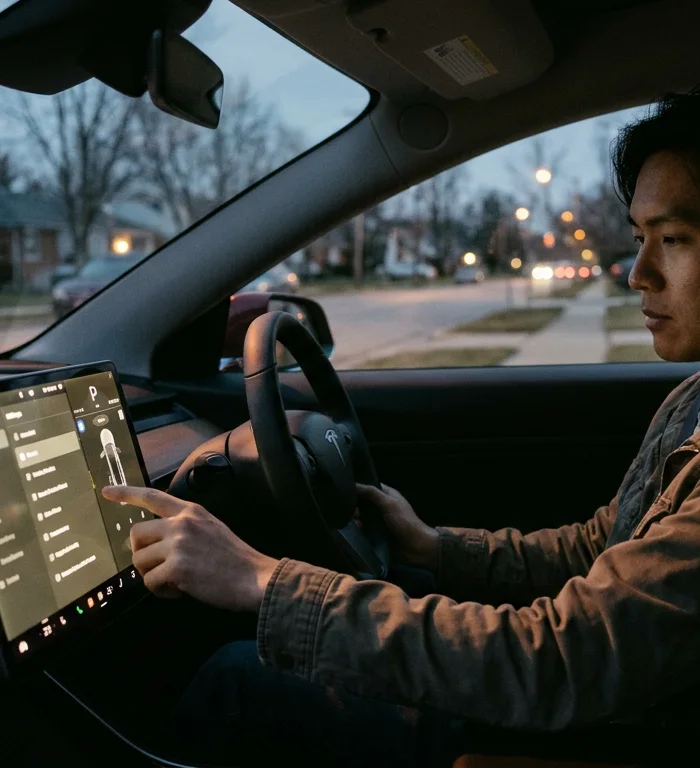
Researchers have identified a growing trend in the misuse of connected vehicle technology by perpetrators of domestic violence. Features originally designed for vehicle security and fleet management—including real-time geolocation, remote speed limiting, and digital key access—are being leveraged to track, harass, and isolate victims.
Analysis of 15 major automotive brands indicates that these high-risk functions are standard across the industry. Geolocation services are currently advertised by every surveyed manufacturer, while 60% offer zone-exit alerts and 20% provide remote speed or acceleration restrictions. These capabilities, while marketed for parental control or vehicle recovery, allow abusers to monitor movements, restrict travel, or remotely disable a vehicle, effectively stranding victims in unsafe environments.
Security vulnerabilities arise primarily through three access vectors
Primary account ownership, secondary user permissions, or the impersonation of a victim to establish unauthorized account control. Current industry standards lack robust safeguards to prevent these accounts from being used as tools for coercive control. In several documented instances, manufacturers have reportedly failed to terminate a perpetrator’s digital access even after being notified of the abuse.
Experts are calling for the adoption of "safety by design" principles, requiring manufacturers to evaluate the potential for abuse during the initial development phase of vehicle software. The current lack of regulatory accountability leaves victims with limited recourse when vehicle technology is weaponized against them.
Policymakers and industry stakeholders are urged to consider whether the risks associated with remote vehicle control features outweigh their consumer benefits. Future governance may require mandatory protocols for account verification and simplified processes for victims to revoke third-party access to their vehicles.
More stories
- Europe faces attribution gap after 16 cyber, physical incidents
- PIF backs Grand Theft Auto as Saudi players embrace game
- Signal limits screenshots to curb AI access to messages
- Cognition runs Devin Mac workspaces on EC2 in 6 AWS regions
- Salesforce engineers cut 600-failure triage to 90 minutes
- Türkiye Desk: GTA 6 puts console access and network demand in focus
- Atoms gains a16z backing as Kalanick targets robotics markets
- Navy receives Nvidia supercomputer for Monterey AI work
Latest news
- Trump prepares tariffs on China and other major exporters
- New-car buyers pay record average $50,087 in October
- Banks face ECB reserve debate over liquidity and profits
- Investors see Anthropic debut gains fade below $83 a share
- Iraq orders federal control over Kurdish-area oilfields
- Germans oppose Ukraine aid as poll shows support slipping
- Kim Jong-un receives 10 envoys after constitutional shift
- Ukraine claims Libya strike sinks Russian naval corvette