

Chinese AI Firms Face Hurdles Recruiting Silicon Valley Talent
Chinese AI firms are expanding into Silicon Valley to recruit talent, but face hurdles like compensation gaps and cultural work-life differences.
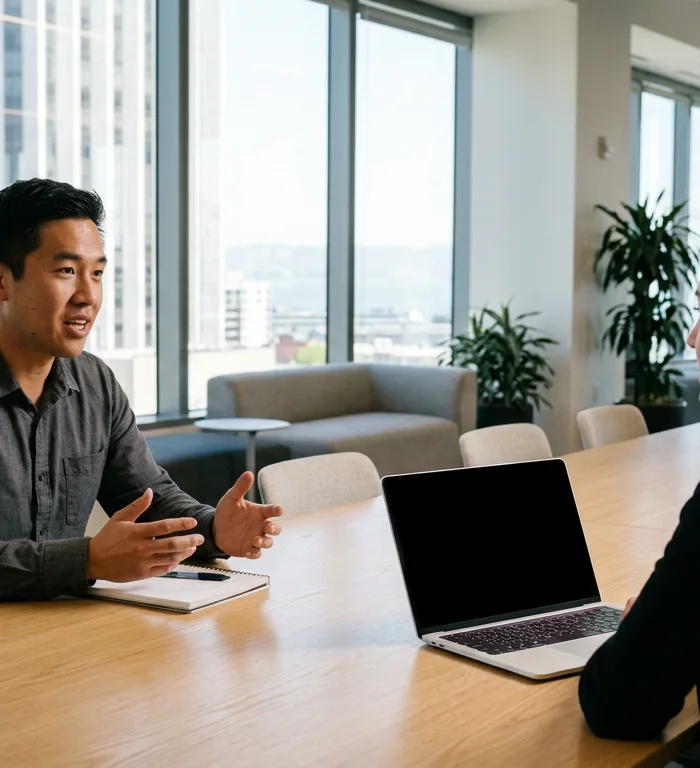
Chinese artificial intelligence firms are increasingly establishing operations in the United States to recruit top-tier engineering talent. Companies such as MiniMax and Moonshot AI have opened San Francisco-based offices and are actively listing roles for research leads and solutions architects. This strategic expansion aims to bridge the gap between Chinese development teams and the global AI hub, allowing firms to tap into expertise currently concentrated at American labs like OpenAI and Anthropic.
Despite these efforts, Chinese firms face significant structural barriers in attracting high-level personnel. A substantial compensation gap persists; while top-tier AI researchers in Silicon Valley frequently command total compensation packages exceeding $1 million, Chinese firms report average per-employee remuneration costs ranging from $140,000 to $203,000. Although some firms are attempting to offer premiums of 1.5 times the standard market rate to lure talent, they continue to struggle against the prestige and frontier-model development capabilities of U.S.-based competitors.
Beyond financial constraints, cultural and operational factors impede recruitment. Prospective employees cite concerns regarding the demanding "996" work culture—a 9 a.m. to 9 p.m., six-day work week—prevalent in the Chinese tech sector, which contrasts with the work-life balance expectations in the U.S. Additionally, the perception that Chinese models currently lag behind the global cutting edge discourages senior researchers from transitioning to these firms.
From a regulatory perspective, the expansion of Chinese AI firms into the U.S. remains largely unhindered by current federal restrictions. While Washington has implemented strict controls on the export of advanced semiconductors and is scrutinizing the use of overseas cloud services, no specific policy currently prohibits Chinese entities from establishing U.S. research outposts or hiring American-based engineers. Policymakers should monitor whether these outposts become conduits for intellectual property transfer or if they remain limited to localized product integration and talent acquisition.
More stories
- Deal Sheet: Fortis shutdown costs over 400 jobs
- The Week in Games: GTA 6 turns attention into cash
- US data centres emit 25.7m tonnes of CO2, Harvard says
- German founders need 3,942 hours to open small business
- Leaked Deutsche Bank files test Sewing's reform narrative
- UAE employers plan 2.8% pay rises for 2027
- SoftBank faces leverage test after 60% share drop
- American Airlines puts premium products near half ticket revenue
- Fusion CX IPO to cut promoter stake to 80%
- Nasdaq falls 0.15% as chipmakers extend losses
Latest news
- Trump prepares tariffs on China and other major exporters
- New-car buyers pay record average $50,087 in October
- Banks face ECB reserve debate over liquidity and profits
- Investors see Anthropic debut gains fade below $83 a share
- Iraq orders federal control over Kurdish-area oilfields
- Germans oppose Ukraine aid as poll shows support slipping
- Kim Jong-un receives 10 envoys after constitutional shift
- Ukraine claims Libya strike sinks Russian naval corvette