

China Advances Large-Scale Unmanned Cargo Aviation Capabilities
China has successfully tested two large-scale unmanned cargo aircraft, signaling a shift toward commercial and emergency drone-based logistics as the…
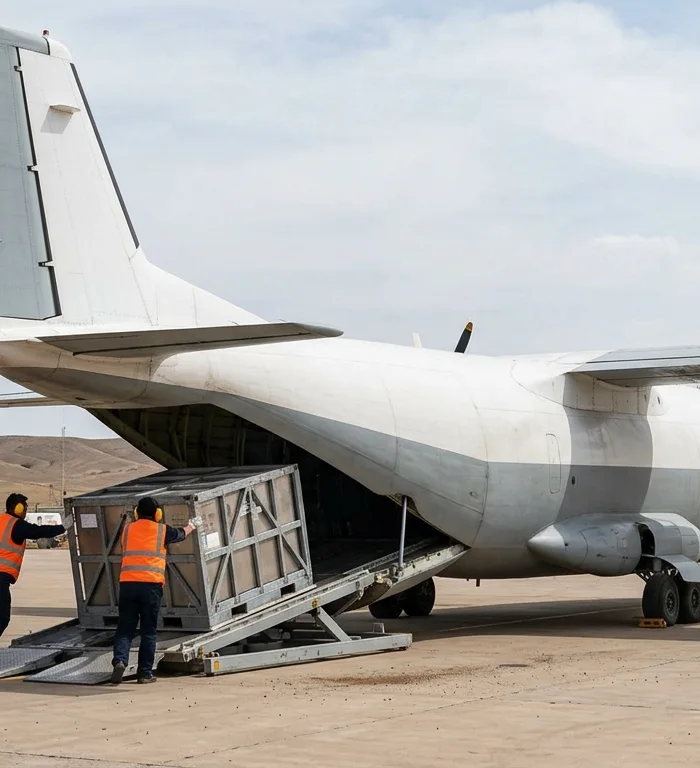
China has achieved significant milestones in the development of large-scale unmanned cargo aircraft, with two domestic platforms completing successful flight and delivery tests within the past week. These developments align with national policy objectives to integrate unmanned systems into the broader logistics and emergency response infrastructure by 2035.
The Changying-8, developed by China North Industries Group Corporation, demonstrated its capability to conduct aerial cargo drops at an altitude of 300 meters. With a maximum range exceeding 3,000 kilometers and a payload capacity of 3.5 metric tons, the aircraft is positioned for deployment in disaster relief scenarios where traditional ground infrastructure is compromised.
The Changying
Simultaneously, the W5000, developed by Air White Whale, completed its maiden flight in Inner Mongolia. This aircraft features a 5-metric-ton payload capacity and is constructed from carbon fiber to optimize weight-to-performance ratios. Developers indicate that the W5000 is designed to reduce logistics costs per ton-kilometer by more than 60% compared to conventional crewed cargo aircraft, with commercial operations targeted for late 2025.
These technical advancements occur as the domestic drone market approaches a projected valuation of approximately $19.6 billion by the end of 2026. The industrial drone segment is currently experiencing a 12.5% year-over-year growth rate, reflecting sustained capital investment and regulatory support for the "low-altitude economy."
The Civil Aviation Administration of China continues to formalize the regulatory framework necessary for the integration of these systems into national airspace. The successful testing of these high-capacity platforms suggests a shift toward utilizing unmanned aerial vehicles for regional logistics and cold-chain distribution. Policymakers should monitor the transition from test-phase prototypes to commercial operational status, as these systems represent a significant shift in regional supply chain resilience and logistics efficiency.
More stories
- Europe faces attribution gap after 16 cyber, physical incidents
- PIF backs Grand Theft Auto as Saudi players embrace game
- Signal limits screenshots to curb AI access to messages
- Cognition runs Devin Mac workspaces on EC2 in 6 AWS regions
- Salesforce engineers cut 600-failure triage to 90 minutes
- Türkiye Desk: GTA 6 puts console access and network demand in focus
- Waymo urges safer physical AI as robotaxi miles grow fast
- Magnendo draws $32 million to advance stroke robot care
Latest news
- Trump prepares tariffs on China and other major exporters
- New-car buyers pay record average $50,087 in October
- Banks face ECB reserve debate over liquidity and profits
- Investors see Anthropic debut gains fade below $83 a share
- Iraq orders federal control over Kurdish-area oilfields
- Germans oppose Ukraine aid as poll shows support slipping
- Kim Jong-un receives 10 envoys after constitutional shift
- Ukraine claims Libya strike sinks Russian naval corvette