China uses AI to monitor fish at Tibet hydropower dam
China has installed an AI recognition system at Tibet’s Zangmu Hydropower Station to track rare migrating fish in the Yarlung Tsangpo River.
Jason Kwon ·
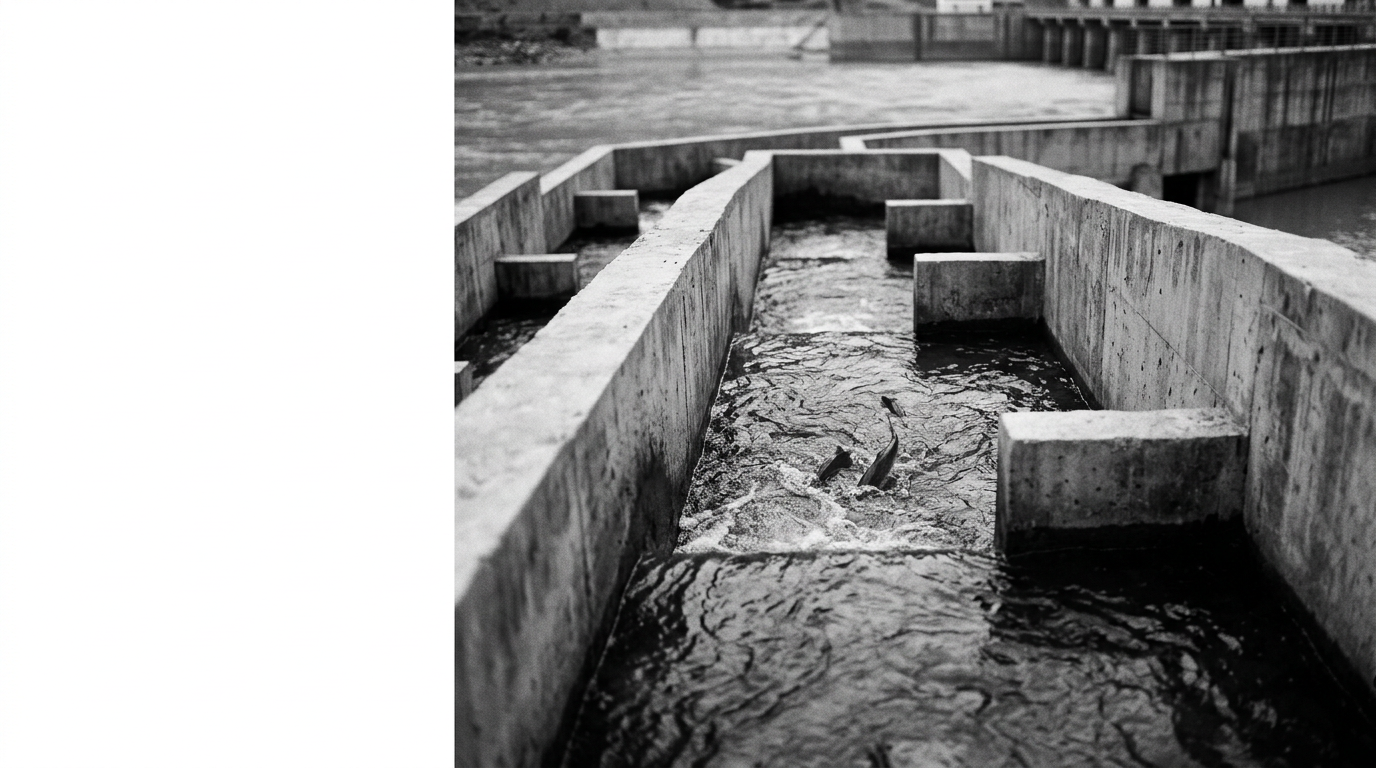
Operators at Tibet’s Zangmu Hydropower Station have introduced an artificial intelligence recognition system to identify and track rare migrating fish on the Yarlung Tsangpo River, replacing manual counting, officials said.
The technology has been integrated into the dam’s dedicated fish ladder, allowing monitoring of aquatic species unique to the surrounding region on a continuous basis. The system is designed to reduce labor-intensive logging and support more digitized environmental management at a major energy infrastructure site.
Zangmu fish ladder adds automated identification
The Zangmu facility stands 116 meters high, equivalent to 381 feet. Since operations began in 2015, the fishway has enabled about 570,000 rare fish to move upstream past the structure, according to information from the site.
Officials described the software as a specialized recognition tool for aquatic life. As fish pass through the channel, the system records species-specific information to support tracking and long-term observation.
Monitoring data points to stable local fish numbers
Monitoring data cited by operators indicates that the local fish population in the middle reaches of the river has remained stable despite the hydropower construction. The around-the-clock monitoring is intended to provide a more consistent record than intermittent manual counts.
Yang Xiaocheng, director of safety and environmental protection at the dam, said aquatic ecology and plant life across the entire middle gorge section showed positive changes after environmental management measures were put in place.
Hydropower’s benefits and ecological pressures
Hydropower installations are used for flood mitigation and for producing renewable electricity that can help balance intermittent solar and wind generation, officials noted. At the same time, dam construction can restructure natural water bodies and disrupt migration routes, creating specific ecological challenges that require monitoring and mitigation.
At Zangmu, the AI-based monitoring is presented as one response to those challenges, pairing a fish passage facility with automated tracking. Operators said continuing data collection will be used to evaluate performance and ecological conditions over time.
Whether the approach can be expanded remains uncertain
Officials said ongoing monitoring at the Zangmu facility will inform whether similar automated ecological tracking systems can be scaled to other major infrastructure projects aimed at reducing environmental impacts. No timeline or list of potential sites was provided.
For now, the deployment marks a shift in how the hydropower station documents fish migration activity, moving from manual counts to continuous digital recording at a key passage point on the Yarlung Tsangpo River.