

China caps bull semen imports at top 10% of overseas bulls
Australia and Canada are shipping again, but reviews lasting more than four months have kept volumes far below pre-curb trade.
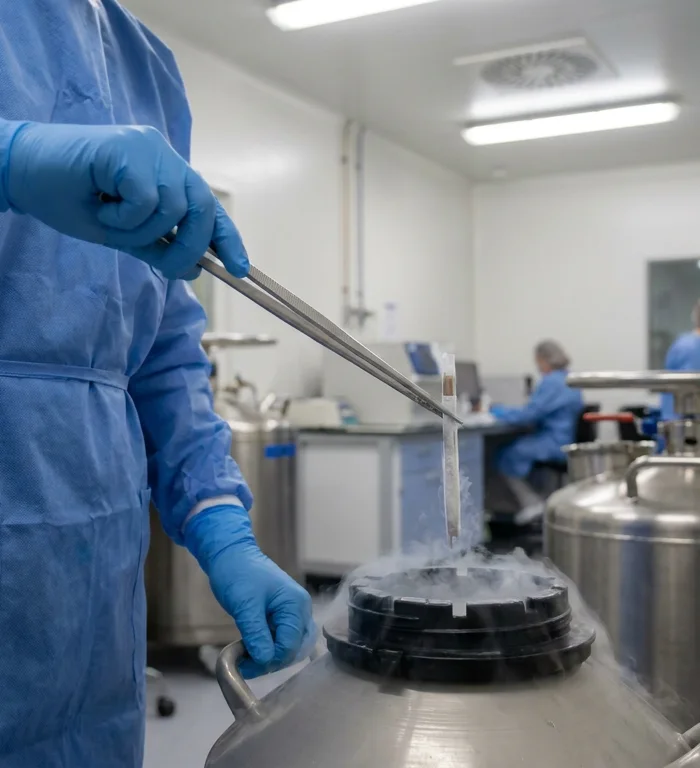
China has restarted bull semen imports in 2026, but allows only shipments from bulls ranked in a producer country's top 10%, Reuters reported on Oct. 27.
The Oct. 27 Reuters report said China's beef carcasses weigh about 150kg, versus nearly 400kg in the US, a productivity gap that looms over annual beef-and-dairy imports of $25 billion to $30 billion.
Australia and Canada are sending semen to China again, while the US and Britain could be cleared next, people in the industry told Reuters. The first Australian shipment under the resumed trade arrived in April.
The policy is designed to improve cattle genetics, lift beef quality and support dairy output. “Historically, Chinese cattle were bred for ploughing fields, and Western breeds for meat and milk production,” said Hao Hongman, a manager at Beijing World Wide Sires.
Volumes remain small. By the end of August, China had imported 92,573 straws of semen worth about $700,000 from Australia and Canada, Chinese customs data showed, compared with roughly 10 million straws a year before the curbs.
The trade restart follows a near freeze in Chinese cattle-genetics imports from major suppliers including the US, Europe, Canada and Australia. Reuters said China halted live-animal and semen imports from one country after another between 2019 and 2025, citing trade data and industry insiders.
Imported semen can be used to produce high-end breeding animals or to improve local herds through crossbreeding. By 2024, Chinese consumers ate almost twice as much beef and 30% more dairy than a decade earlier, Chinese official data showed.
China made animal-genetics self-sufficiency a national-security priority in 2021 and identified cattle breeding as a weak area. By 2026, Beijing had invested millions of dollars in local breeding centres, but Reuters reported that domestic genetics still trail Western suppliers.
The new checks are demanding. Genetics companies and diplomats told Reuters that an expert panel takes more than four months to assess shipments against the top 10% rule, and industry insiders said some consignments have been only partly approved.
Beijing's agriculture and commerce ministries did not respond to Reuters requests for comment. Industry sources told Reuters that China's longer-term ambition is to build leading cattle genetics at home and eventually move from importer to exporter.
That shift would be difficult, said Marcus Rees, general manager of the Australian arm of ABS Global, which owns the Angus bull Utopia. He said suppliers selling genetics to China would keep developing better animals for future use.
ABS Australia expects to ship about 200,000 straws to China over the coming year, including semen from Wagyu, Angus, Holstein and Jersey bulls, Rees told Reuters. That would exceed its shipments to all other countries combined.
Source: Reuters report published by The Straits Times, Oct. 27, 2026.
More stories
- South African parties split over Cape Town's 30,000-home annual gap
- Ruto seeks Russian investment in Kenya's $380m trade push
- Sudan teachers seek 20% budget share with 8m children outside school
- Spain rail network faces scrutiny after 64 killed near Toledo
- Spain reports at least 30 dead in high-speed train crash
- Villa Vie disembarks 203 passengers in Cambodia over fuel costs
- Trump nears midterms at 32% approval with Democrats ahead
- Jayakumar backs Singapore GRC safeguards after online attacks
- Young French households reach 90.1% of national median income
- Lula wins fourth term in Brazil with 51.8% vote